Americans are unhappy about the economy and reeling from high prices, polls say
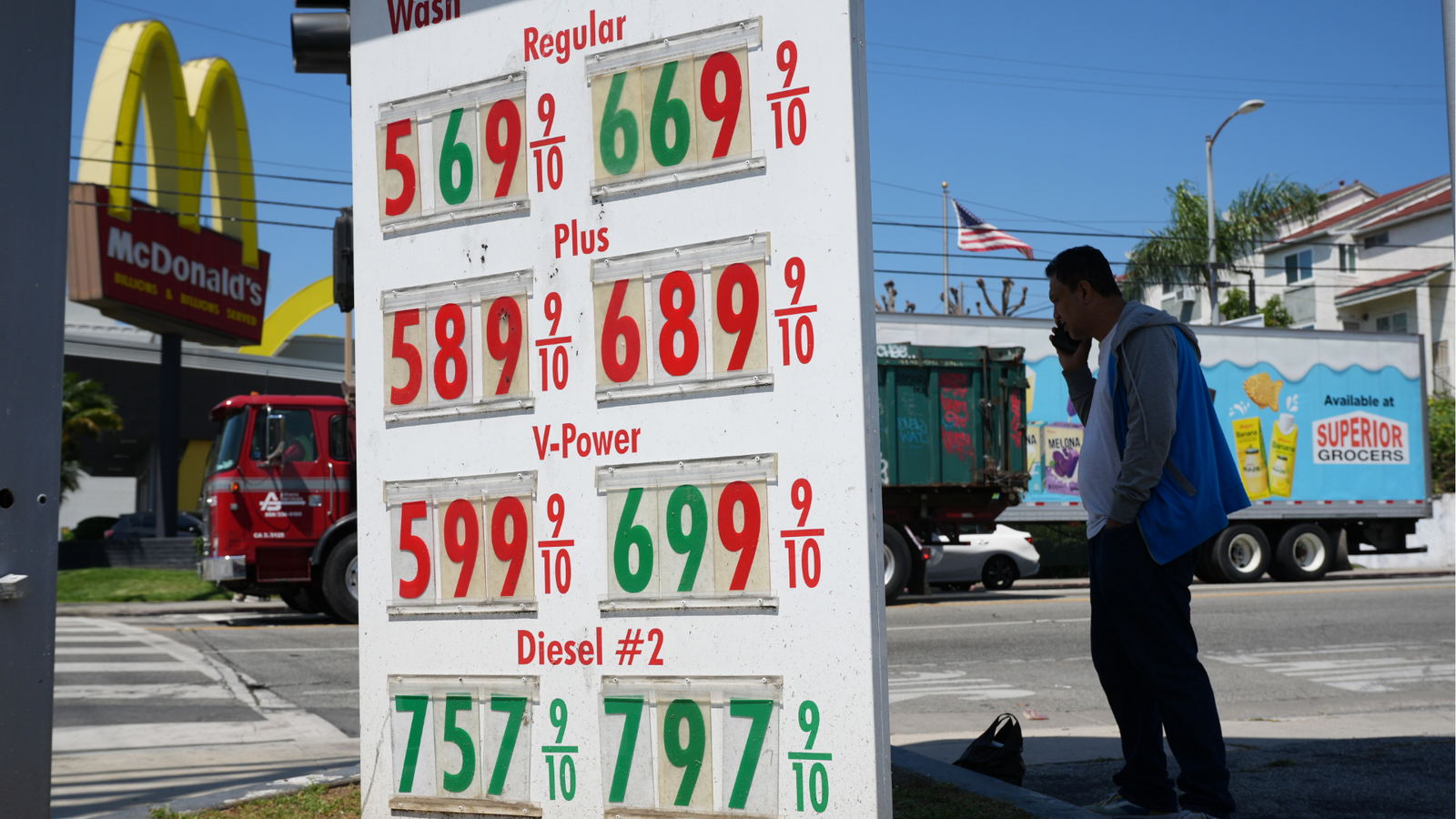
A new round of polling paints a grim picture of American economic sentiment: nearly three-quarters of respondents say the economy is getting worse, and high prices continue to be the primary source of financial stress for households across the country.
The numbers reflect a persistent disconnect between macroeconomic indicators and everyday experience. While unemployment figures and GDP growth have shown signs of resilience, Americans at the grocery store, the gas pump, and the pharmacy counter are still feeling the squeeze of elevated prices that have outpaced wage growth for many workers.
Related
Take Control of Your Money: Top Personal Finance BooksThe right financial knowledge can change your trajectory.
Housing costs remain a particular pain point. Rent and mortgage payments consume a growing share of household budgets, especially in major metropolitan areas where affordability has reached crisis levels. Food prices, while stabilizing compared to peak inflation years, remain significantly higher than pre-pandemic levels.
The polling also reveals a deep partisan split in economic perceptions, though the dissatisfaction cuts across party lines. Americans of all political affiliations report frustration with the cost of living, even as they disagree on who or what is to blame.
For policymakers, the data presents a challenge: traditional economic levers may not be enough to address the lived reality of families who feel poorer despite official statistics suggesting otherwise. The gap between economic data and public sentiment has real consequences — from consumer spending patterns to electoral outcomes.
What This Means For You: If you're feeling the pinch, you're far from alone — roughly three in four Americans share your pessimism about the economy's direction. The practical takeaway: keep scrutinizing your own budget, because price pressures aren't easing as fast as headlines suggest. And know that your frustration is a data point policymakers can't keep ignoring.
Originally sourced from KABC-TV