How Trump Voters Are Reacting to the Economy
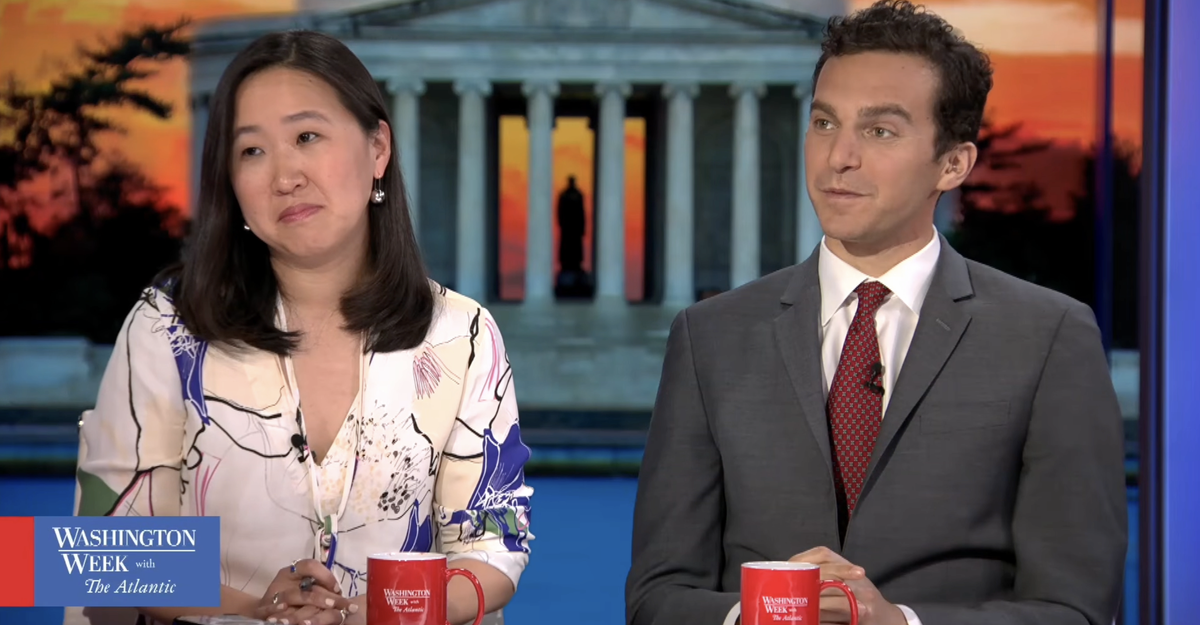
A panel of analysts and commentators recently gathered to discuss how President Trump's supporters are responding to current economic conditions — and the picture that emerged is more nuanced than simple loyalty or disillusionment.
Trump's polling numbers have fluctuated as economic signals send mixed messages. While some indicators, including employment figures, have shown resilience, others — particularly around the cost of living and trade policy uncertainty — have created anxiety among the very voters who propelled Trump back to the White House.
Related
Take Control of Your Money: Top Personal Finance BooksThe right financial knowledge can change your trajectory.
The panelists noted that many Trump voters maintain a wait-and-see posture, expressing faith that the president's policies will eventually deliver the economic turnaround they were promised. There is still broad support for Trump's approach to trade and deregulation, but patience is not unlimited, especially among working-class voters who feel the pinch of higher prices most acutely.
Some voters highlighted the tension between their confidence in Trump's long-term vision and the short-term reality of their household budgets. The cost of groceries, housing, and energy continue to weigh heavily on sentiment, even as macroeconomic figures paint a more optimistic picture.
The discussion also touched on a broader political dynamic: the degree to which voters evaluate the economy through a partisan lens. Research consistently shows that supporters of the party in power tend to rate economic conditions more positively than opponents, regardless of objective conditions. But the panelists suggested that even partisan optimism has limits when personal financial stress persists over extended periods.
What This Means For You: Political support and economic reality don't always move in lockstep, but they're not entirely disconnected either. If you're feeling the gap between what you were promised and what you're experiencing at the grocery store or the gas pump, you're not alone — and that gap is exactly what both parties will be watching closely as midterm elections approach.
Originally sourced from The Atlantic