Iran has suffered a major strategic defeat despite surviving
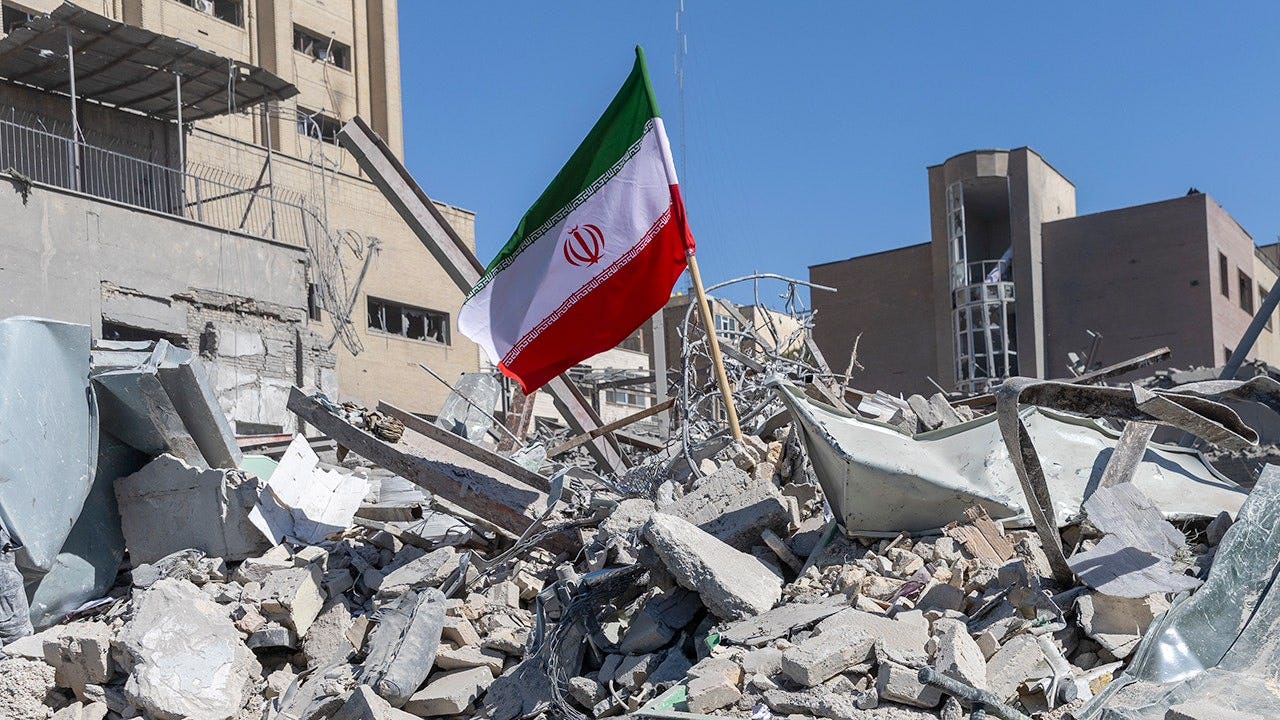
Iran's regime has survived the eight-week conflict with the United States, but the strategic cost has been devastating. Its nuclear program has been set back by years, its missile capacity has been crippled by sustained strikes, its proxy networks across the Middle East have been shattered, and its economy has been hollowed out by sanctions and wartime disruption.
The assessment comes from multiple intelligence and defense sources who paint a picture of a nation that avoided regime change but lost the capacity to project power beyond its borders. Iran's nuclear facilities at Fordow and Natanz sustained significant damage in the opening weeks of the conflict, setting the enrichment program back an estimated three to five years. Its ballistic missile arsenal — the largest in the Middle East — has been depleted by a combination of offensive launches and defensive counterstrikes that destroyed launch infrastructure and storage sites.
Related
Take Control of Your Money: Top Personal Finance BooksThe right financial knowledge can change your trajectory.
The proxy network that gave Iran regional reach — Hezbollah in Lebanon, the Houthis in Yemen, various militia groups in Iraq and Syria — has been degraded to varying degrees. Hezbollah remains the most intact, but its operational capacity in Lebanon has been curtailed by Israeli strikes and domestic political pressure. The Houthis have lost significant territory in Yemen. Iraqi militias have been targeted by both US and Iraqi government forces, with several key commanders killed.
Economically, the picture is stark. Oil exports have dropped to a fraction of pre-conflict levels as the Strait of Hormuz disruption and sanctions enforcement choked off the primary source of government revenue. The Iranian rial has lost significant value, inflation has accelerated, and the regime's ability to fund both domestic subsidies and foreign operations has been severely constrained.
The strategic assessment matters because it shapes what comes next. A defeated Iran that has lost its deterrent capabilities may be more inclined to negotiate — or it may lean harder into asymmetric retaliation, including cyberattacks and proxy operations that require less resources. The intelligence community is divided on which path Tehran will take, but the consensus is that Iran's options are significantly narrower than they were eight weeks ago.
What This Means For You: The Iran conflict may be winding down in intensity, but the strategic reset will take years to play out. For energy markets, a weakened Iran means less OPEC+ cohesion and potentially more stable oil supply routes — but only if the Strait of Hormuz reopens fully. For investors, the reduced risk of escalation is a modest positive for risk assets. For anyone watching geopolitics, the lesson is clear: surviving is not the same as winning, and Iran's diminished capabilities reshape the balance of power across the entire Middle East.
Originally sourced from Fox News
Related Stories
Young Voters Squeezed by Economy, Distrust in Political System: Poll
A new Harvard Youth Poll paints a sobering picture of the economic and political landscape facing yo...
Will the Economy Cost Republicans the Midterms? New Poll Shows Troubling Signs
A new Fox News poll released this week delivers a sobering message for Republicans heading into the ...
Why investors are flocking to BlackRock\'s bitcoin options to hedge against a wild global economy
BlackRock\'s iShares Bitcoin ETF, known by its ticker IBIT, has reached a significant milestone: its ...