Iran's economy has been battered. Its leaders still think Trump will blink first
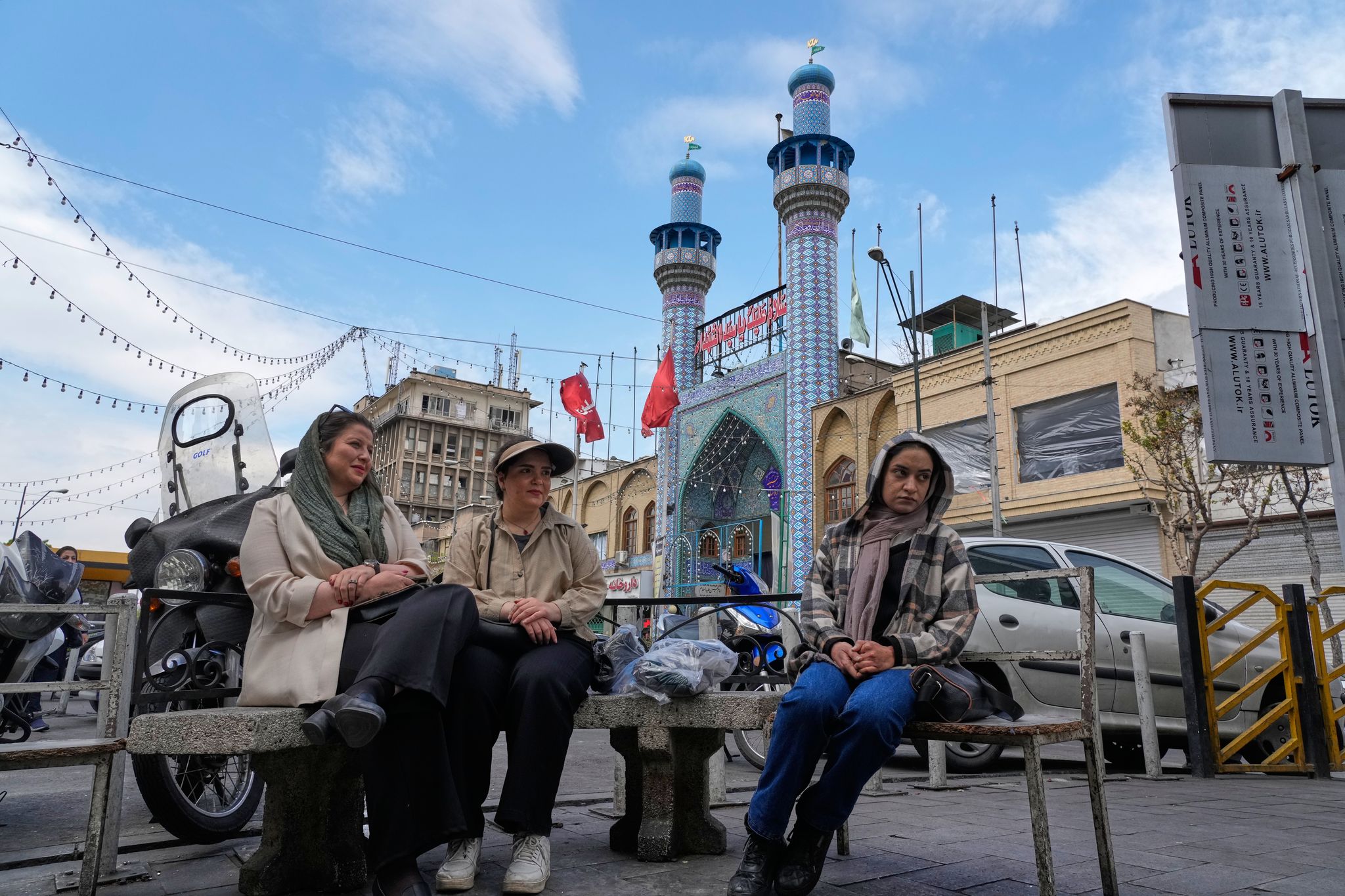
Iran's economy has suffered devastating blows from Israeli military strikes and the American-led blockade, yet Iranian leadership appears to be betting that President Trump will ultimately concede more than Tehran will in any negotiated settlement.
The economic damage is extensive. Iran's oil exports have been severely restricted by the blockade, cutting off the country's primary source of foreign revenue. Inflation has surged, the rial has lost significant value against the dollar, and basic goods have become increasingly scarce in major cities. Industrial production has slowed as supply chains have been disrupted by the conflict.
Related
Take Control of Your Money: Top Personal Finance BooksThe right financial knowledge can change your trajectory.
Despite these pressures, Iranian officials have maintained a defiant public posture, insisting that the United States has more to lose from a prolonged confrontation. Their calculation rests on the assumption that rising oil prices will hurt American consumers and that political pressure will eventually force Trump to offer concessions that relieve the economic pressure on Iran.
This strategy carries enormous risk. History suggests that economic pressure, once applied at this scale, tends to compound rather than stabilize. Countries under severe sanctions and blockades rarely emerge stronger, and the internal political consequences of economic collapse can be unpredictable and destabilizing.
The Trump administration has shown no signs of blinking. If anything, the White House has escalated pressure, sending additional military assets to the region and expanding the scope of the blockade. The confirmation of Kevin Warsh as Fed chair could also shift the economic calculus by tightening monetary policy, which would strengthen the dollar and make it even harder for Iran to access global financial markets.
What This Means For You: When two sides in a high-stakes standoff both believe the other will blink first, the standoff tends to last longer and inflict more damage than either side anticipated. For markets, that means sustained volatility in energy prices, shipping costs, and defense-sector equities. For consumers, it means continued pressure on gas prices and anything that moves by ship or truck.
Finance & Markets Editor
Originally sourced from SFGATE
Related Stories
Young Voters Squeezed by Economy, Distrust in Political System: Poll
A new Harvard Youth Poll paints a sobering picture of the economic and political landscape facing yo...
Will the Economy Cost Republicans the Midterms? New Poll Shows Troubling Signs
A new Fox News poll released this week delivers a sobering message for Republicans heading into the ...
Will Powell stay or go? Fed chair may reveal next steps after central bank meeting Wednesday.
The Federal Reserve will meet this week ahead of a looming leadership transition that remains fuzzy,...