Kevin Warsh Confirmed to Fed Board as Markets Brace for Bitcoin-Friendly Central Bank Leadership
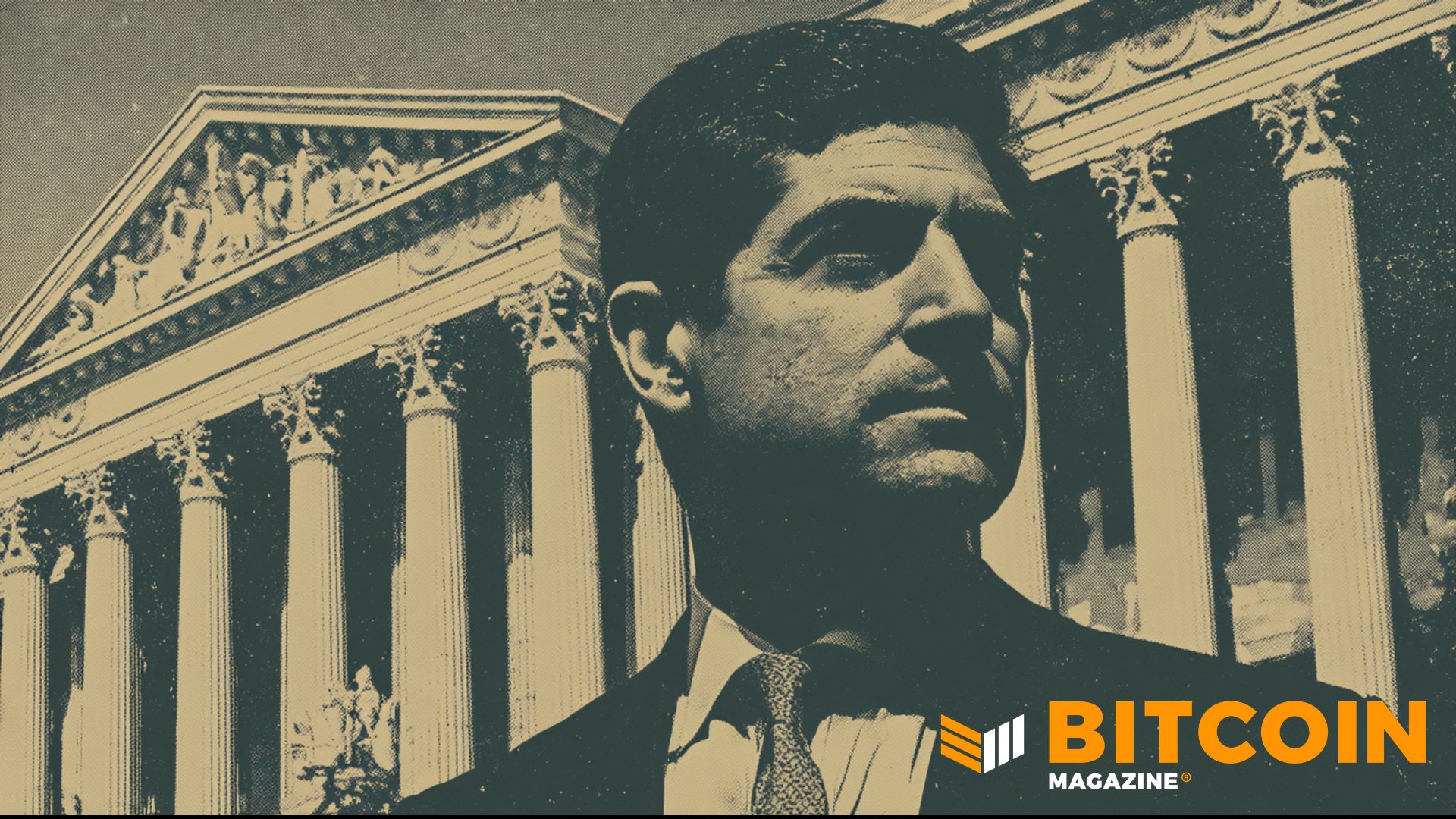
The Senate confirmed Kevin Warsh to the Federal Reserve Board of Governors on Tuesday in a 51-45 party-line vote, with Senator John Fetterman crossing the aisle to join Republicans. The vote installs a former Fed governor who has publicly praised Bitcoin and held equity in a crypto payments startup one step away from becoming the most powerful central banker in the world.
Warsh's confirmation to the board clears the path for a final vote on the chairmanship later this week. If confirmed as chair, he would replace Jerome Powell, whose term leading the central bank ends Friday. The transition would mark the first time a Federal Reserve chair has entered the role with documented ties to the cryptocurrency industry.
The significance of that distinction is difficult to overstate. For years, the Federal Reserve's posture toward digital assets ranged from dismissive to hostile. Former Chair Powell repeatedly emphasized that crypto posed risks to financial stability, and the SEC under Gary Gensler pursued an aggressive enforcement regime against crypto companies. Warsh represents a fundamental departure from that posture.
"Bitcoin doesn't trouble me," Warsh said during a Hoover Institution event last year, framing the asset not as a threat to the dollar but as what he called "a very good policeman for policy" — a signal that reflects confidence, or the lack of it, in the Federal Reserve's handling of inflation and monetary policy. It is a reframing that treats Bitcoin not as speculation but as a barometer of institutional credibility.
Financial disclosures revealed that Warsh held an equity stake in Flashnet, a Bitcoin payments startup focused on lightning-style transaction infrastructure for merchants and fintech companies. He has also maintained advisory and investment ties to Bitwise, a crypto index manager, and Basis, a stablecoin project. These are not peripheral connections — they represent direct financial stakes in the ecosystem that the Federal Reserve regulates.
The question that markets and policymakers are now grappling with is whether Warsh's Bitcoin sympathy translates into tangible policy shifts. The Federal Reserve does not directly regulate cryptocurrencies — that falls primarily to the SEC and the CFTC — but the chair's tone and priorities set the agenda for the broader regulatory apparatus. A Fed chair who views Bitcoin as legitimate could accelerate institutional adoption, influence bank custody rules, and shape the timeline for a U.S. central bank digital currency — or the decision not to build one.
At the same time, Warsh's record complicates the narrative of a crypto-friendly dove. During his previous tenure as a Fed governor from 2006 to 2011, he established a reputation as an inflation hawk who criticized loose monetary policy following the financial crisis. His recent calls for "regime change" at the Fed and openness to lower interest rates have created a tension that investors are still parsing: is Warsh a hawk who happens to like Bitcoin, or a policy pragmatist who sees digital assets as part of a broader rethinking of monetary orthodoxy?
The answer matters because the Federal Reserve is navigating a period of renewed inflation pressure, rising geopolitical tensions, and uncertainty around future rate policy. A chair who is simultaneously hawkish on inflation and open to Bitcoin is not a contradiction — it may be a coherent worldview that sees traditional monetary tools and digital assets as complementary rather than competing signals of economic health.
Markets are watching closely. Bitcoin traders are pricing in the possibility that Warsh's leadership brings a more accommodating regulatory posture, while traditional bond markets are focused on what his inflation hawkishness means for the rate cycle. Both camps may be right, and both may be surprised.
What This Means For You: If you hold Bitcoin or other digital assets, Warsh's confirmation is unambiguously positive for long-term institutional adoption — the most powerful central bank in the world will be led by someone who does not view your assets as a threat. But don't confuse regulatory friendliness with loose monetary policy. Warsh's inflation hawkishness could mean rates stay higher for longer, which historically pressures risk assets including crypto. The play here is structural, not tactical: Warsh's Fed is likely to create a more stable regulatory environment for digital assets, but the rate decisions that drive short-term price action may still disappoint crypto bulls expecting aggressive cuts.
Finance & Markets Editor
Originally sourced from Bitcoin Magazine
Related Stories
Young Voters Squeezed by Economy, Distrust in Political System: Poll
A new Harvard Youth Poll paints a sobering picture of the economic and political landscape facing yo...
World shares are mixed and oil prices jump more than 3% after the UAE says it will exit OPEC
World shares are mixed following a retreat on Wall Street, and oil prices gained on Iran war uncerta...
Will the Economy Cost Republicans the Midterms? New Poll Shows Troubling Signs
A new Fox News poll released this week delivers a sobering message for Republicans heading into the ...