Mood in Russia turns bleak as war in Ukraine drags on, economy suffers
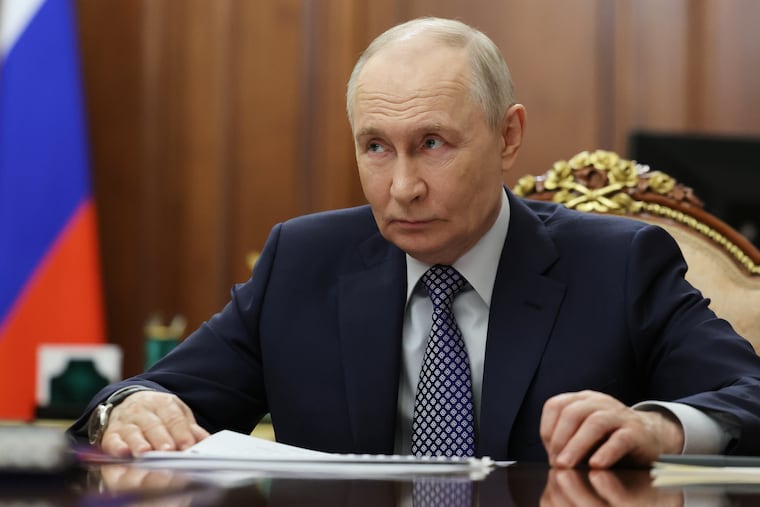
Russia's economy is showing mounting signs of strain as the war in Ukraine enters its fifth year, with public discontent rising and key economic indicators flashing warning signals.
President Vladimir Putin's approval rating has dropped to 65.6%, according to the Russian Public Opinion Research Center — the lowest level since before the invasion began and a decline of 12.2 percentage points since the start of 2026. While measuring genuine sentiment under an authoritarian regime remains difficult, the trend marks a significant departure from Putin's historical highs near 88%.
Related
Take Control of Your Money: Top Personal Finance BooksThe right financial knowledge can change your trajectory.
The economic picture has darkened considerably. Russia's economy contracted by 1.8% in the first two months of the year as sanctions bite deeper and interest rates remain elevated at 14.5% to combat inflation. Commercial bill nonpayments hit a record $109 billion in January, and the number of companies owing back taxes has climbed to nearly 440,000.
At a recent Moscow economic forum, criticism of the government was unusually direct. Vladimir Bogalev, head of a Russian tractor manufacturer, said leadership had "completely lost touch with the reality on the ground." Economist Robert Nigmatulin of the Russian Academy of Sciences noted that consumer prices have surged 77% since 2015 while GDP growth has averaged just 1.5% annually.
Russia's economic development minister Maxim Reshetnikov acknowledged that reserves "are largely exhausted," and Putin himself publicly conceded the economy is in trouble, calling on the central bank and his government to explain the growth slowdown.
A temporary boost from higher oil prices driven by the Iran conflict offers limited relief. Ukrainian drone attacks on Russian refineries forced production cuts of 300,000 to 400,000 barrels per day in April, undermining some of the windfall from elevated crude prices.
Ordinary Russians are feeling the squeeze. "Sales have dropped, people have less and less money, prices have doubled, and for fruit and vegetables they've tripled," said one sales manager who spoke on condition of anonymity. Internet restrictions have further inflamed public anger, reviving memories of Soviet-era isolation.
**What This Means For You:** Global markets should watch Russia's economic trajectory closely. A destabilized Russian economy could drive energy price volatility and reshape commodity flows. For investors, the combination of rising internal dissent, shrinking reserves, and military overreach creates unpredictable geopolitical risk that can shift markets overnight.
Originally sourced from The Philadelphia Inquirer
Related Stories
Young Voters Squeezed by Economy, Distrust in Political System: Poll
A new Harvard Youth Poll paints a sobering picture of the economic and political landscape facing yo...
Will the Economy Cost Republicans the Midterms? New Poll Shows Troubling Signs
A new Fox News poll released this week delivers a sobering message for Republicans heading into the ...
Why Visiting a Tiny Home Village Made Me Rethink Homeownership
For a generation burdened by housing costs, the tiny home movement is offering more than just a life...