Rick Scott says he opposes using taxpayer funds for White House ballroom
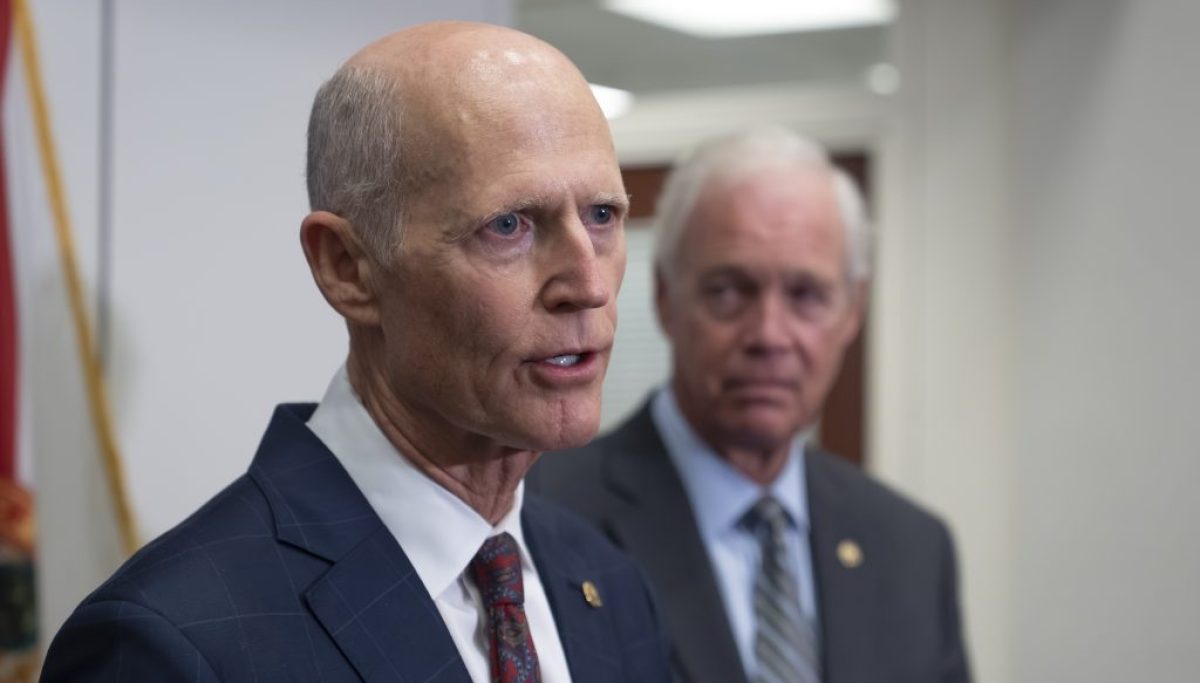
Senator Rick Scott has become the latest Republican to publicly oppose using taxpayer funds for the White House ballroom construction project, creating a notable rift within the president's own party over a project that has become a lightning rod for criticism about government spending priorities.
Scott's opposition is significant because it signals that the ballroom project is not just a Democratic talking point but a genuine source of Republican discomfort. Several other Republican lawmakers have privately expressed reservations, but Scott is the most senior to do so publicly, arguing that the estimated cost — which has not been officially disclosed but is believed to exceed $100 million — cannot be justified when the DHS is shut down and essential services are being defunded.
Related
Take Control of Your Money: Top Personal Finance BooksThe right financial knowledge can change your trajectory.
The senator also questioned the emergency classification that the administration has used to accelerate the project, noting that there is no credible security rationale for treating a ballroom addition as an emergency procurement. The classification has allowed the project to bypass standard review processes, competitive bidding requirements, and historic preservation assessments.
The White House has pushed back, with officials arguing that the ballroom serves a legitimate governmental function by providing a proper venue for state dinners and diplomatic events. They note that previous administrations have also modified the White House and that the current project is consistent with longstanding practice.
The debate has taken on additional intensity following the whistleblower allegations that the emergency classification was part of a coordinated effort to circumvent oversight. The National Trust for Historic Preservation has cited both the whistleblower account and Scott's opposition in its ongoing legal challenge to the project.
What This Means For You: When a senior member of the president's own party publicly opposes a signature project, it is a signal that the political costs are becoming real. The ballroom debate is not really about a ballroom — it is about the boundaries of executive authority, the proper use of taxpayer funds, and whether emergency powers can be used for projects that are not emergencies. The precedent being set here will apply to future administrations of both parties.
Finance & Markets Editor
Originally sourced from Washington Examiner
Related Stories
Young Voters Squeezed by Economy, Distrust in Political System: Poll
A new Harvard Youth Poll paints a sobering picture of the economic and political landscape facing yo...
Will the Economy Cost Republicans the Midterms? New Poll Shows Troubling Signs
A new Fox News poll released this week delivers a sobering message for Republicans heading into the ...
Will Powell stay or go? Fed chair may reveal next steps after central bank meeting Wednesday.
The Federal Reserve will meet this week ahead of a looming leadership transition that remains fuzzy,...