Tariffs, War, and Inflation: Why Moody's Says the US Economy Is Under Siege From Both Sides
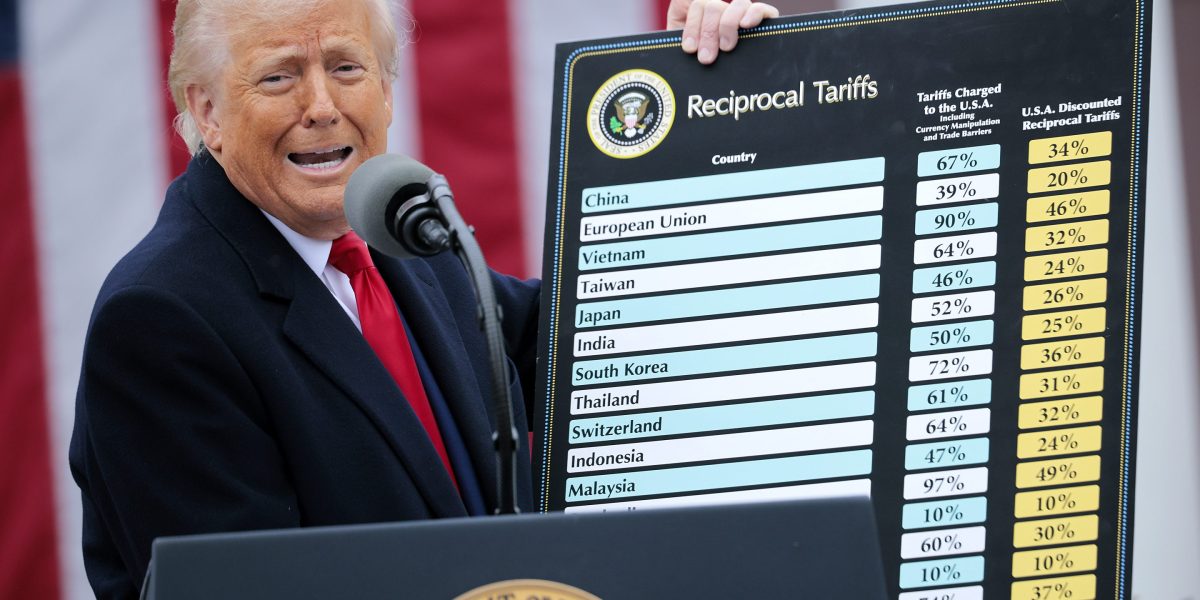
Mark Zandi, chief economist at Moody's Analytics, delivered a blunt assessment of the U.S. economic landscape this week: the tariffs imposed under the Trump administration's "Liberation Day" agenda have done "significant damage" to the economy, and the emerging oil shock from the Iran conflict threatens to compound the pain.
The numbers paint a clear picture. Since Liberation Day, job growth has effectively stalled, with only the healthcare sector — insulated from trade dynamics — adding meaningfully to payrolls. Inflation has accelerated, with the personal consumption expenditures deflator rising at a 3% year-over-year pace, up from 2.5% before the tariffs and well above the Federal Reserve's 2% target. Real consumer spending has slowed, and the savings rate has declined.
Zandi's analysis directly challenges the position of Treasury Secretary Scott Bessent, who has characterized tariffs as the "dog that didn't bark" — arguing that supply-side shocks produce only temporary price moves in narrow markets that the Federal Reserve should look through. Bank of America's chief U.S. economist Aditya Bhave pushed back on that framing in a recent note, writing that "supply shocks are inflationary because they shift the aggregate supply curve upward. Consumers respond by spending less in real terms and/or saving less."
The tariff revenue story is complex. U.S. customs duties collected $287 billion in calendar year 2025, a 192% increase from the prior year, with roughly a third of that — $97.5 billion — collected in the fourth quarter alone. These funds provide fiscal ammunition for the administration's legislative priorities, including the "One Big Beautiful Bill," without adding to the national debt. As Wharton professor Joao Gomes noted, the revenue generation is "peculiar" but materially changes the debt picture.
However, the legal foundation of those revenues is precarious. In February, the Supreme Court ruled that Liberation Day tariffs imposed under the International Emergency Economic Powers Act were unconstitutional. The administration pivoted to the 1974 Trade Act to keep duties in place, but the revenue collected under IEEPA will be routed to international trade courts for redistribution back to businesses. Bessent himself has suggested those refunds may never materialize, telling the Economic Club of Dallas that the process could be "dragged out for weeks, months, years."
Then there is the Iran factor. Oil prices have spiked from the U.S.-Israel conflict with Iran, creating a second supply shock on top of the tariff regime. Zandi warned that "higher energy and other commodity prices caused by the war threaten to do even more economic damage than the tariffs, further undermining growth and pushing inflation higher." For consumers already feeling the squeeze from tariffs, rising gas prices represent a direct and visible hit to household budgets.
The Federal Reserve faces an increasingly difficult balancing act. With inflation running above target and growth slowing, the central bank must choose between supporting the labor market and fighting price pressures — the classic stagflation dilemma. The Fed's most recent decisions to hold rates steady suggest it is prioritizing inflation containment, but at the cost of leaving the economy without monetary stimulus during a period of genuine softness.
For businesses, the dual shock creates planning nightmares. Supply chains restructured to avoid tariff exposure now face disruption from elevated shipping costs through the Strait of Hormuz and broader Middle East volatility. Companies that stockpiled inventory to front-run tariffs are watching those stockpiles deplete against a backdrop of uncertain resupply timelines.
What This Means For You: If you're a consumer, you're already paying more — for imported goods because of tariffs and potentially at the pump because of the Iran conflict. If these dual shocks persist, expect higher prices on electronics, clothing, and auto parts throughout 2026. For homeowners, the combination of slowing growth and rising inflation creates a tough mortgage environment — rates are unlikely to drop meaningfully until one or both of these shocks recede. For investors, the classic inflation hedges (energy stocks, commodities, TIPS) look attractive, while consumer discretionary and import-dependent retailers face headwinds. The key variable to watch: if a US-Iran peace deal materializes, oil prices could drop sharply, relieving one side of the pressure and giving the Fed room to cut rates.
Finance & Markets Editor
Originally sourced from Fortune / Moody's Analytics / Bank of America
Related Stories
Young Voters Squeezed by Economy, Distrust in Political System: Poll
A new Harvard Youth Poll paints a sobering picture of the economic and political landscape facing yo...
World shares are mixed and oil prices jump more than 3% after the UAE says it will exit OPEC
World shares are mixed following a retreat on Wall Street, and oil prices gained on Iran war uncerta...
Will the Economy Cost Republicans the Midterms? New Poll Shows Troubling Signs
A new Fox News poll released this week delivers a sobering message for Republicans heading into the ...