The Chip Exec Who Powered the AI Boom Says America's $39 Trillion Debt Is the Real Threat
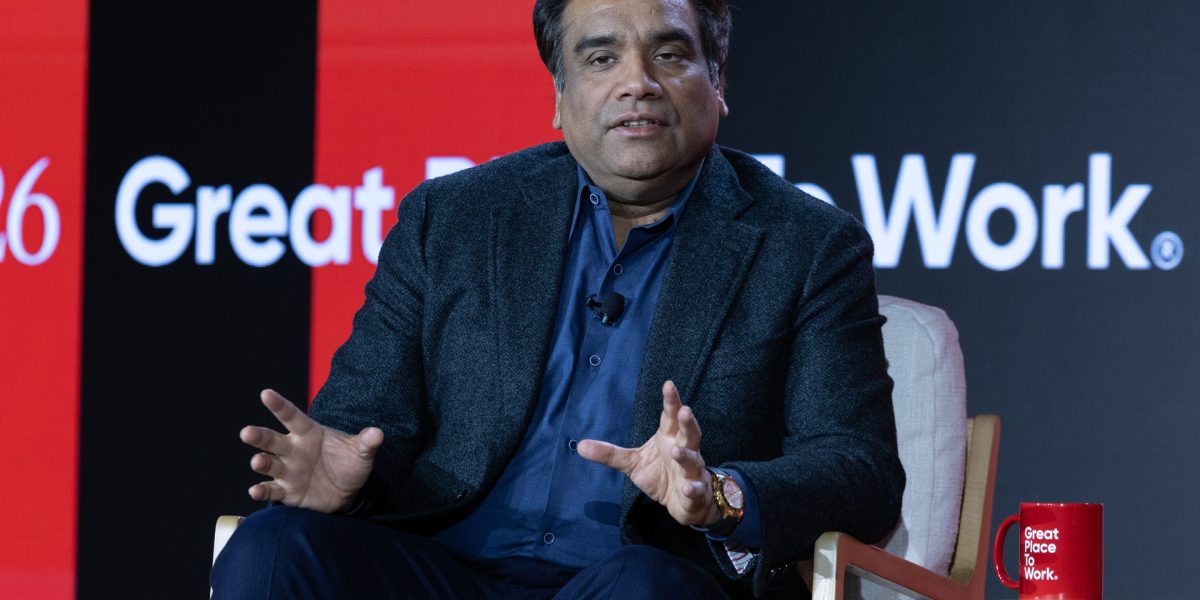
The executive behind one of the most important companies in the artificial intelligence revolution is sounding the alarm — not about China, not about chip shortages, but about America's staggering national debt, which now stands at $39 trillion.
Anirudh Devgan, the CEO of Cadence Design Systems — the company whose software is integral to designing virtually every advanced chip on the planet — spoke with Fortune about what he sees as the country's most pressing economic challenge. His message was blunt: a country that is not making money, despite all its strengths, is on a dangerous path.
Related
Take Control of Your Money: Top Personal Finance BooksThe right financial knowledge can change your trajectory.
Devgan's perspective carries weight. Cadence sits at the center of the semiconductor ecosystem, providing the electronic design automation tools that chipmakers like NVIDIA, Apple, and Qualcomm rely on to build their most advanced processors. The AI boom that has captivated markets and reshaped industries would not exist without the infrastructure Cadence provides.
But Devgan is looking past the current wave of AI enthusiasm to the structural realities underneath. The $39 trillion debt — which continues to grow as government spending outpaces revenue — represents a compounding liability that, in his view, undermines the very foundation that makes American innovation possible.
The concern is not abstract. Rising debt drives up interest payments, crowds out investment in infrastructure and education, and weakens the dollar's standing as the world's reserve currency. All of these factors directly affect the technology sector's ability to attract talent, fund research, and maintain global competitiveness.
What This Means For You: When one of the architects of the AI revolution says the national debt is the real threat, it's worth listening. The $39 trillion figure translates to roughly $115,000 per American citizen. Rising debt means higher interest payments, which means less money for the things that actually improve your life — roads, schools, healthcare. It also means the government has less room to respond to the next crisis. This isn't a Wall Street problem. It's an everyone problem.
Originally sourced from Fortune
Related Stories
Young Voters Squeezed by Economy, Distrust in Political System: Poll
A new Harvard Youth Poll paints a sobering picture of the economic and political landscape facing yo...
Will the Economy Cost Republicans the Midterms? New Poll Shows Troubling Signs
A new Fox News poll released this week delivers a sobering message for Republicans heading into the ...
Who Will Blink First as the Iran War Hits the World Economy?
As the war between the United States and Iran drags on with no clear end in sight, the question domi...