The Hidden Costs of the Fed's Rate Pause
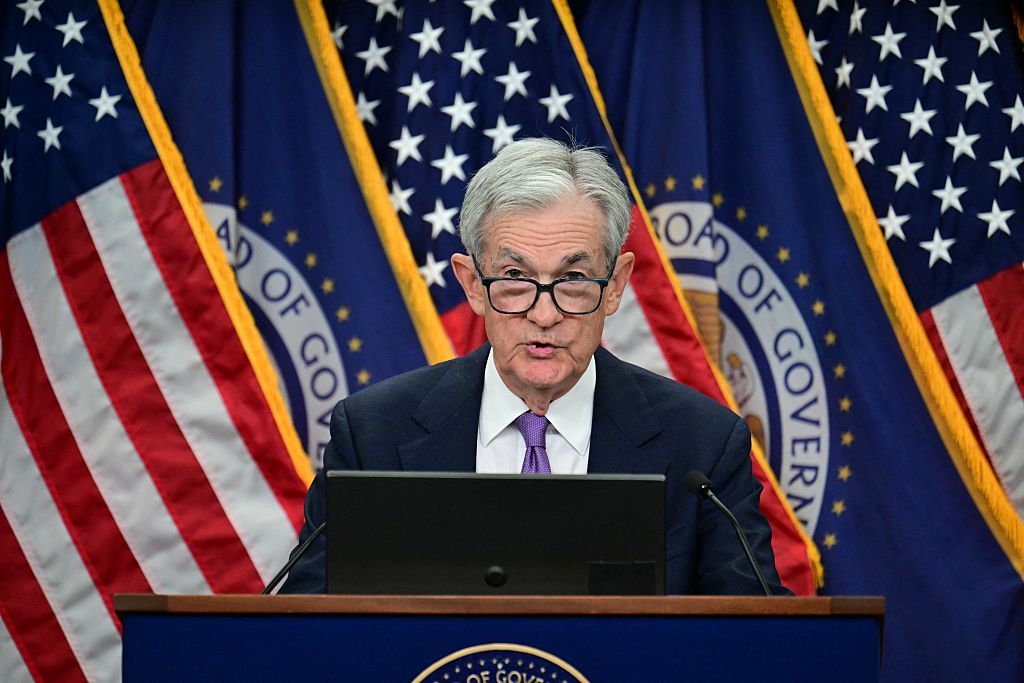
The Federal Reserve's decision to hold interest rates steady at its April meeting was framed as a wait-and-see move, a cautious pause while the central bank assesses how the Iran conflict and rising oil prices ripple through the economy. But for millions of Americans, that pause carries a price tag that compounds daily.
The federal funds rate remains locked in the 4.25% to 4.50% range, where it has sat for three consecutive meetings. Fed Chair Jerome Powell, in what may be his final press conference as chair before Kevin Warsh's expected confirmation, cited persistent inflation risks tied to energy costs as the primary reason for holding firm. The logic is sound on paper: with oil hovering near four-year highs and consumer inflation expectations climbing, cutting rates prematurely could let the inflation genie further out of the bottle.
But the practical consequences of this restraint are unevenly distributed, and they are not always visible in the headline economic indicators that the Fed watches most closely.
Consider the credit card market. The average APR on credit cards now stands at 19.57%, according to Bankrate, a figure that has barely budged during the Fed's extended pause. For a household carrying a 10000-dollar balance and making only minimum payments, that translates to roughly 8000 dollars in interest over the life of the debt. The total cost of borrowing nearly doubles before the balance is retired. This is not a hypothetical scenario. The Federal Reserve's own data shows that revolving credit debt outstanding exceeded 1.3 trillion dollars as of March 2026, meaning the aggregate interest burden on American households runs into the tens of billions annually.
Auto loans tell a similar story. The average rate on a 60-month new car loan has remained above 7% for over a year, according to Bankrate's weekly survey. For a 35000-dollar vehicle financed over five years, the difference between a 5% rate and a 7% rate amounts to roughly 2200 dollars in additional interest. That gap represents money that does not go toward consumer spending, savings, or debt reduction elsewhere in the household budget.
Mortgage rates, while not directly tied to the federal funds rate, have been pulled higher by the same macroeconomic forces keeping the Fed on hold. The 10-year Treasury yield, which serves as the benchmark for 30-year fixed mortgages, has climbed alongside inflation expectations. As of late April, the average 30-year fixed rate sat near 7.1%, a level that has effectively frozen the housing market for many first-time buyers. Home purchase applications are down roughly 15% from a year ago, per Mortgage Bankers Association data, while refinancing activity has nearly ground to a halt.
The Fed's pause also carries a less discussed cost: the erosion of real savings yields. While high-yield savings accounts currently offer rates around 4% to 4.5%, inflation at 4.33% means the real return on those accounts hovers near zero. Savers who thought they were finally getting ahead after years of near-zero rates are essentially treading water. The promise of higher yields turns out to be a wash when the cost of everything from groceries to gasoline is rising at a similar pace.
There is also a structural risk embedded in the current stance. The longer rates remain elevated, the more pressure builds in sectors dependent on cheap credit. Commercial real estate, which is already grappling with a wave of loan maturities and declining office valuations, faces a slow-motion squeeze as refinancing costs reset dramatically higher. Small businesses, which typically rely on variable-rate credit lines, are absorbing higher servicing costs that either squeeze margins or get passed through as higher prices, creating a feedback loop that the Fed's pause is ostensibly designed to prevent.
The Fed is not blind to these dynamics. The challenge is that the alternatives all carry their own risks. Cutting rates in the face of rising energy costs could validate inflation expectations, making it harder to bring prices back under control later. Holding too long risks tipping the economy into the stagflationary territory that several prominent economists, including Ray Dalio, have warned about in recent weeks.
For consumers, the practical takeaway is straightforward: the rate pause is not a neutral event. It is a tax on borrowers and a near-zero real return for savers, and its effects compound the longer it lasts. The strategies for navigating this environment are limited but meaningful. Transferring high-interest credit card debt to a 0% balance transfer card can save thousands if the balance is retired within the promotional period. Delaying large financed purchases while building savings in a high-yield account at least preserves the option to pay more upfront when the time comes. And for homeowners sitting on older, higher-rate mortgages, the calculus has not changed: unless rates fall meaningfully, the math of refinancing simply does not work.
The Fed's next move, whenever it comes, will shape these calculations for millions of households. Until then, the pause itself is doing quiet but substantial work on the balance sheets of anyone who borrows, saves, or tries to do both.
Finance & Markets Editor
Originally sourced from Kiplinger
Related Stories
Inside Iran\'s Economic Collapse: 70% Inflation, 2 Million Jobless, and a Race Against Time
Iran\'s economy is cracking under the weight of war, blockade, and mismanagement. The human cost is s...