Trump cancels Iran strikes, touts imminent deal
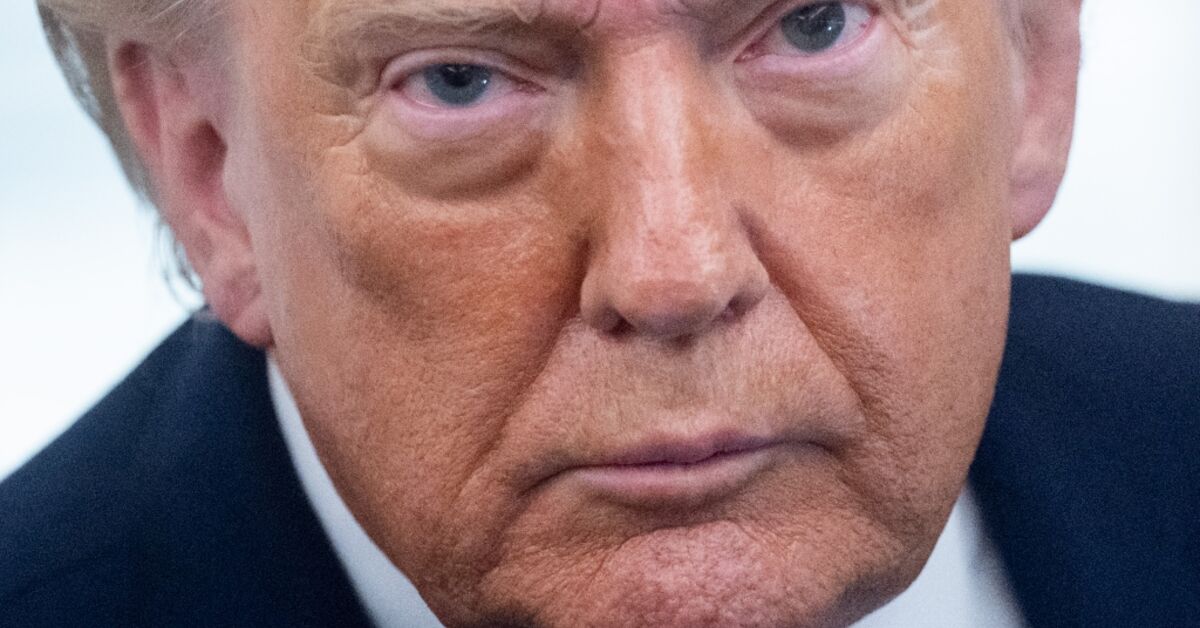
President Trump withdrew his threat of further military strikes against Iran on Thursday, announcing that a deal to end the war could be signed within days. The announcement triggered a stock market rally and a sharp drop in oil prices — but the details, and Iran's own response, tell a more complicated story.
Trump posted that talks with Iran had been "brought to the highest level of Iranian leadership and approved" and that he had "cancelled the scheduled strikes and bombings against Iran this evening." He promised that "time and place of the signing to be announced shortly."
Within hours, Iran's foreign ministry spokesman Esmaeil Baqaei pushed back, saying that "Iran has not reached a final conclusion on the agreement." The Tasnim news agency noted that Trump had announced a deal was imminent 38 times in the previous two months. "Until Iran announces the matter of a potential understanding," it warned, "any news from Trump on this subject should be regarded the same as his previous messaging."
The gap between Trump's optimism and Iran's caution is the story beneath the story — and it has direct implications for oil prices, global shipping, and your wallet.
A War That Began in February and Has No Clean Exit
The conflict started February 28 with a wave of U.S.-Israeli strikes on Iran that killed Supreme Leader Ayatollah Ali Khamenei. An April truce paused the worst of the fighting, but efforts to hammer out a permanent end have been stalled for weeks.
Iran's response to the initial strikes was to essentially close the Strait of Hormuz — the narrow waterway through which roughly 20% of the world's oil passes daily. That closure removed at least 10 million barrels of daily Middle Eastern exports from the market, sending fuel prices spiking to $126.41.
Prices have since fallen back to around $90 per barrel, but not because the strait reopened. They fell because China — the world's largest importer of Gulf crude — cut its daily oil imports from about 11 million barrels to 7.7 million rather than pay the inflated prices Saudi Arabia and others were charging to compensate for the Hormuz disruption.
China's vast strategic petroleum reserves, built up over years of buying discounted oil from Iran, Russia, and Venezuela, have given Beijing the ability to wait out the crisis. Emma Li, a China analyst at energy tracking firm Vortexa, estimates that China's commercial reserves alone could sustain another six months of drawdowns at current rates.
That's a remarkable piece of leverage. The country that was expected to be most vulnerable to a Gulf oil disruption is the one that's been cushioning the global economy from the worst of the shock. If China decided to resume imports at pre-war levels, oil prices would spike again regardless of what happens with the Iran deal.
The Oil Market's Nervous Waiting Game
Here's what makes the current moment so fragile: oil prices are hovering around $90 because of China's restraint, not because the supply disruption has been resolved. The Strait of Hormuz remains closed. Iran's new body overseeing the strait said it "will be closed until further notice."
If a deal does materialize, it would need to include reopening Hormuz to bring lasting relief to oil markets. But the terms of that reopening matter enormously. Iran has used the strait as leverage throughout the conflict, and any deal that restores shipping access will almost certainly come with conditions that affect oil flows long after the fighting stops.
Prime Minister Netanyahu's office said that any agreement would need to include the removal of Iran's enriched nuclear material and dismantling of missile infrastructure — conditions that Iran's hardliners have resisted for months. Iranian General Ali Abdollahi warned earlier Thursday that if the United States attacked, "it will receive a harsher response than before, and the flames of war, in addition to creating insecurity in the region, will become more widespread and far-reaching."
Even as Trump announced progress, Kuwait reported that Iran had targeted its territory and damaged an airport radar system, forcing an airspace closure. The gap between diplomatic rhetoric and ground reality remains wide.
What a Deal Would — and Wouldn't — Change
If Trump's announcement leads to an actual agreement, several things would shift quickly. Oil prices would drop further, likely into the $75-80 range as Hormuz reopening gets priced in. Stock markets would rally, especially in sectors hit by the conflict's economic fallout. And the World Bank, which just revised down its global growth forecast to pandemic-era levels citing the war's economic impact, would have room to revise those numbers upward.
But the structural changes the war has set in motion won't unwind overnight. China has learned it can function without Gulf oil, at least for extended periods. That changes Beijing's calculus in any future negotiation about energy security. Saudi Arabia and other Gulf producers have learned they can charge premium prices and find willing buyers even with Hormuz disrupted. And Iran has learned that closing the strait is an effective, if costly, weapon.
The companies rethinking supply chains because of the Hormuz disruption — shipping firms, manufacturers dependent on Asian-Middle Eastern trade routes, energy companies hedging against future closures — will take months or years to adjust back, if they do at all. Some of the economic changes catalyzed by this war are permanent.
The Bigger Risk: 38 False Announcements
Tasnim's count — 38 times Trump has announced an imminent deal in the past two months — is the context that markets are still learning to price. Each announcement creates a brief rally followed by a correction when reality fails to catch up to the rhetoric.
This pattern creates a specific kind of market risk: fatigue. The more often a deal is announced and then fails to materialize, the less impact future announcements will have. Markets will stop rallying on deal news and start ignoring it entirely, which means that when an actual deal does come, the positive market reaction may be muted by skepticism born of too many false starts.
That's a problem for anyone hoping for a quick resolution to stabilize energy prices. The mechanism for communicating progress has been so overused that it's losing its effectiveness, and that erosion of credibility makes actual diplomatic progress harder, not easier.
What This Means For You
If you're watching gas prices, the Iran deal matters — but not as much as you might hope. Current prices around $3.50-4.00 per gallon reflect the Hormuz closure and China's import cuts, not a normal market. Even with a deal, prices won't drop to pre-war levels quickly because the strait needs to physically reopen, shipping routes need to resume, and insurance costs for vessels in the Gulf will remain elevated.
If you're investing, be careful about buying the rally. Trump's 38 previous "imminent deal" announcements each produced a brief bounce followed by a pullback. If a real deal does materialize, the upside is significant — but the risk of buying into another false start is real.
And if you're just trying to understand why everything feels expensive right now: the war in Iran, the closure of the Strait of Hormuz, and China's strategic stockpile drawdown are all connected in ways that affect the price of everything from gasoline to groceries. The deal that Trump is promising would be the beginning of a resolution, not the end of the problem. Watch what Iran actually says, not just what Trump posts.
Finance & Markets Editor
Originally sourced from Al-Monitor
Related Stories
Young Voters Squeezed by Economy, Distrust in Political System: Poll
A new Harvard Youth Poll paints a sobering picture of the economic and political landscape facing yo...
World shares are mixed and oil prices jump more than 3% after the UAE says it will exit OPEC
World shares are mixed following a retreat on Wall Street, and oil prices gained on Iran war uncerta...
Will the Economy Cost Republicans the Midterms? New Poll Shows Troubling Signs
A new Fox News poll released this week delivers a sobering message for Republicans heading into the ...