Trump's Economic Approval Hits Record Low as Iran War and Inflation Erode Public Confidence
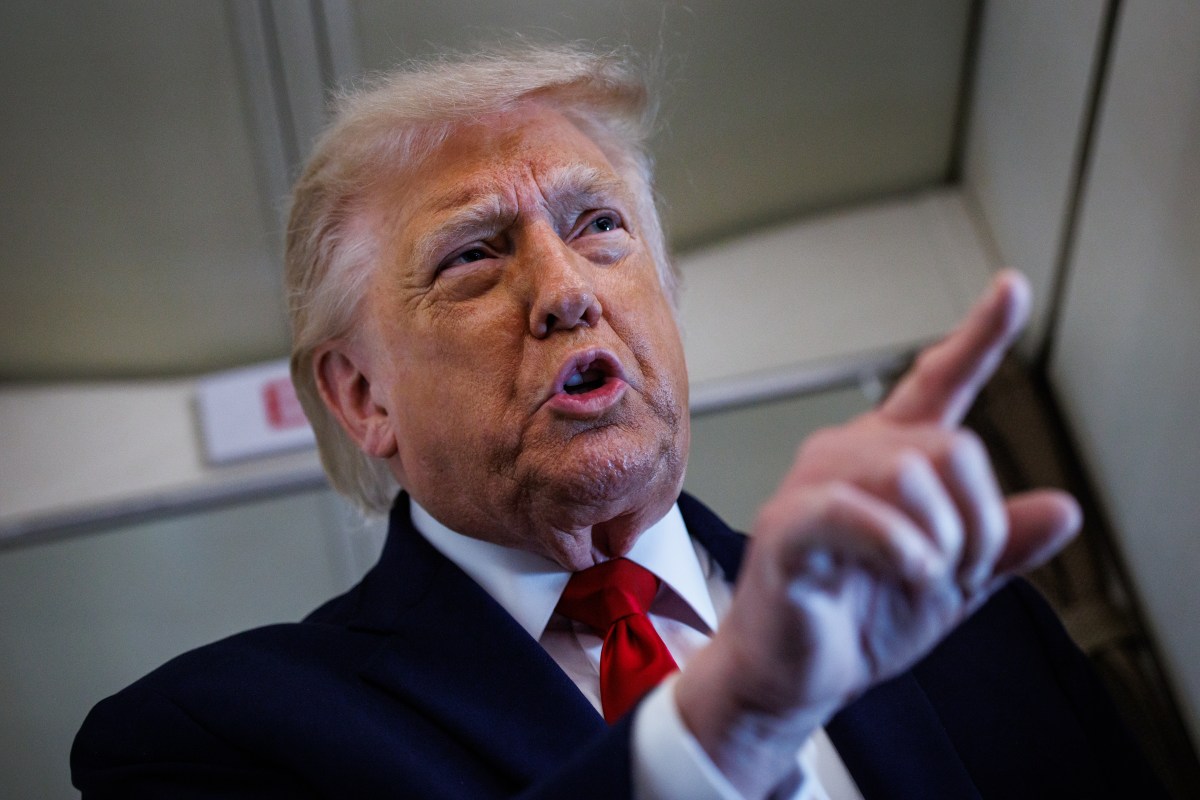
President Trump's net approval rating on the economy has cratered to -34 percent, the lowest recorded in either of his terms, according to a YouGov/Economist poll published Tuesday. Just 29 percent of Americans approve of Trump's handling of the economy, while 63 percent disapprove. The numbers represent a staggering 42-point swing from the same stage of his first term, when his net economic approval stood at a positive 8 percent.
The poll, conducted June 5-8 among 1,603 adults with a 3.6 percent margin of error, reveals deep fractures across demographics. Only 22 percent of Hispanic respondents approve of Trump's economic management, compared to 66 percent who disapprove — a particularly sharp rebuke from a demographic that shifted toward Trump in the 2024 election. Men approve at 36 percent, nearly double the 23 percent approval among women. Even among Republicans, economic approval has slipped to 66 percent — strong by general standards, but soft for a party that typically rallies around its president's economic record.
On inflation specifically, the numbers are even more brutal: just 24 percent approve versus 68 percent who disapprove. That gap — 44 points underwater on inflation — tells the real story. Americans may give the administration some grace on national security or foreign policy, but when it comes to the cost of living, the patience is gone.
The White House pushed back on the numbers. Spokesman Kush Desai pointed to the Iran conflict as a temporary disruption, telling Newsweek that "as the Iranian terror threat is neutralized, Americans will again see cooling inflation, gas prices at multi-year lows, and accelerated economic growth." It's a defensible argument in theory — oil price shocks are historically transient, and the Strait of Hormuz disruptions have been a clear driver of recent gas price spikes. But polling suggests the public isn't buying the temporary-disruption narrative. When voters feel pain at the pump and see grocery prices still elevated, economic theories about supply-side resilience don't move the needle.
The timing is politically dangerous. The 2026 midterms are approaching, and history is unkind to presidents who enter them with underwater economic approval. The Republican Party's congressional strategy depends on the economy being perceived as strong. A -34 net approval on the economy — combined with Trump's overall approval sitting at 35 percent — creates a hostile environment for Republican incumbents in swing districts who must run on the administration's record.
Other polls corroborate the trend. A Harris Poll/HarrisX survey from late May showed Trump's economic approval at 39 percent, and his overall approval at 43 percent. The direction is consistent even if the exact numbers vary: the public is souring on the economy, and they're assigning blame to the White House.
The deeper question is whether this is a cyclical dip or a structural shift. The U.S. economy grew at 2 percent in early 2026 — not recession territory, but not the boom the administration promised. Unemployment remains low, but job openings have softened and hiring has slowed. The Iran conflict injects a wildcard that neither the White House nor the Federal Reserve can fully control. And the Federal Reserve's new chair, Kevin Warsh, faces his own credibility test as markets watch whether he'll prioritize inflation fighting or economic growth.
What This Means For You: If you're a homeowner or renter feeling the squeeze, these poll numbers confirm you're far from alone. Consumer sentiment drives economic behavior — when confidence falls, spending contracts, which can become a self-fulfilling slowdown. If you're considering a major purchase, a job change, or an investment decision in the second half of 2026, factor in that the political environment is likely to remain volatile. Economic policy may shift dramatically depending on midterm results, and a White House desperate to reverse approval trends could pursue aggressive stimulus measures — which might help growth in the short term but could also reignite inflationary pressure.
Finance & Markets Editor
Originally sourced from Newsweek
Related Stories
Young Voters Squeezed by Economy, Distrust in Political System: Poll
A new Harvard Youth Poll paints a sobering picture of the economic and political landscape facing yo...
World shares are mixed and oil prices jump more than 3% after the UAE says it will exit OPEC
World shares are mixed following a retreat on Wall Street, and oil prices gained on Iran war uncerta...
Will the Economy Cost Republicans the Midterms? New Poll Shows Troubling Signs
A new Fox News poll released this week delivers a sobering message for Republicans heading into the ...