U.S. home sales surge to the fastest pace this year despite rising mortgage rates and prices
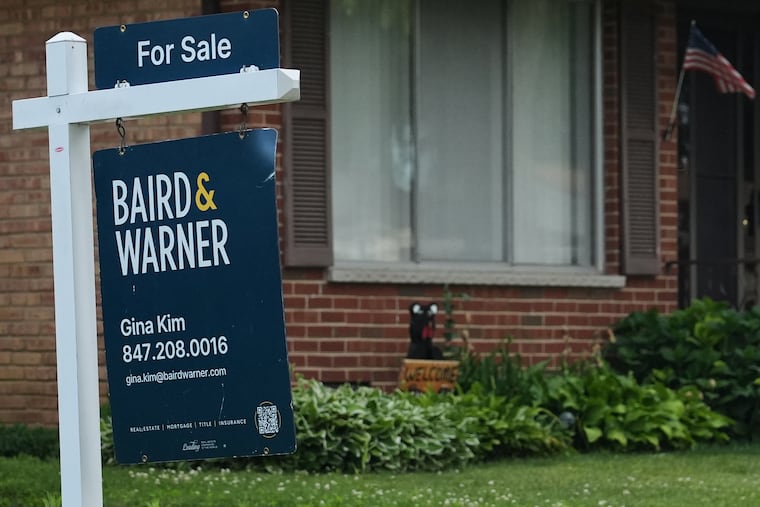
## Home Sales Just Hit Their Fastest Pace This Year — Here's Why Nobody Should Celebrate Yet
Existing home sales rose 3.2% in May to a seasonally adjusted annual rate of 4.17 million units, the fastest pace since December, according to the National Association of Realtors. The figure topped economists' expectations of roughly 4.07 million. Sales rose year-over-year in the Midwest, South, and West.
At first glance, this looks like good news. After years of a housing market stuck in a deep slump — last year was the worst for existing home sales in three decades — any momentum feels like a relief.
But dig into the numbers, and the picture is more complicated than the headline suggests.
### The Affordability Squeeze Hasn't Disappeared
The median home price hit $429,300 in May, an all-time high for any May on record, and the 35th consecutive month of year-over-year price increases. Prices are still rising even as sales have been depressed for years, a combination that only makes sense in a market with a chronic supply shortage.
NAR chief economist Lawrence Yun pointed to one encouraging trend: home price growth is now lagging income growth in many areas, which is improving affordability. First-time buyers accounted for 35% of purchases in May, the highest share since June 2020.
But context matters. The historical norm for first-time buyers is 40%. And the improvement in affordability is relative — it comes from prices rising more slowly than incomes, not from prices actually falling or incomes surging. The median home still costs well over $400,000 while mortgage rates sit near 6.5%.
### The War Is Shadowing the Market
The biggest wildcard isn't inventory or prices. It's the war.
Mortgage rates have been trending higher since the Iran conflict began, disrupting oil tanker traffic through the Persian Gulf and driving crude prices up. Higher oil prices push up long-term bond yields, which lenders use to price home loans.
"If not for the war-related spike in inflation, the average 30-year fixed mortgage rate could well be in the mid-to-upper 5's," said Ted Rossman, principal analyst at Bankrate.
That's a striking number. A 30-year mortgage at 5.5% on a $429,300 home with 20% down produces a monthly payment of about $1,950. At 6.5%, it jumps to roughly $2,170. That $220-per-month difference — $2,640 per year — is the difference between qualifying for a loan and not qualifying for millions of American families.
The war premium on mortgages is a hidden tax on homeownership that doesn't show up in any official statistic but is real and measurable.
### The Supply Problem Hasn't Been Solved
Inventory improved slightly. There were 1.55 million unsold homes at the end of May, up 3.3% from April and 0.6% from a year earlier. That translates to a 4.5-month supply at the current sales pace.
A balanced market requires 5 to 6 months of supply. We're still short of that benchmark, and well below the roughly 2 million homes for sale that was typical before the pandemic.
Median list prices were actually down 2.4% from a year earlier, the steepest drop on data going back to 2017, according to Realtor.com. But list prices and sale prices are different things. Sellers are cutting asking prices to attract buyers in a higher-rate environment, while the actual sold prices continue to set records.
The structural problem remains: years of below-average new construction have created a deficit that cannot be fixed in a single quarter. Builders face the same high mortgage rates and material costs as buyers, which limits how aggressively they can add supply.
### What's Actually Driving the Sales Bump
The homes that closed in May likely went under contract in March and April, when the average 30-year mortgage rate ranged from roughly 6% to 6.46%. That 6% window — close to the lowest level in three and a half years — was a brief opportunity that has since closed.
The current rate of 6.48% is down from 6.85% a year ago, but it has been climbing. If oil prices remain elevated due to the war, mortgage rates will likely continue their upward trend, potentially erasing the very conditions that produced May's sales bump.
Yun acknowledged the uncertainty: "I cannot definitively say if home sales are truly coming out of the slump, because we know that there's still uncertainty related to the oil prices or how the mortgage rates will move."
### What This Means For You
If you're thinking about buying a home, May's sales numbers are not a signal to rush. They reflect contracts signed during a brief window of lower rates that has already started closing.
The real question isn't whether the market is recovering — it's whether mortgage rates will cooperate. If the Iran war ends or de-escalates, oil prices could drop, bond yields could ease, and rates could fall back toward that 5.5-6% range that unlocks demand. If the war drags on or escalates, rates will keep climbing and May's sales pace will look like a peak, not a floor.
For current homeowners, the price resilience is good news: your home's value is still rising. For renters hoping to buy, the math hasn't gotten much easier. The 35% first-time buyer share sounds encouraging until you remember it's still below the 40% historical norm — meaning the market is still tilted toward repeat buyers with equity to bring to the table.
The housing market isn't broken, but it isn't fixed either. It's limping along on a war-damaged crutch, and any headline that says otherwise is missing the full picture.
Finance & Markets Editor
Originally sourced from The Philadelphia Inquirer
Related Stories
Young Voters Squeezed by Economy, Distrust in Political System: Poll
A new Harvard Youth Poll paints a sobering picture of the economic and political landscape facing yo...
World shares are mixed and oil prices jump more than 3% after the UAE says it will exit OPEC
World shares are mixed following a retreat on Wall Street, and oil prices gained on Iran war uncerta...
Will the Economy Cost Republicans the Midterms? New Poll Shows Troubling Signs
A new Fox News poll released this week delivers a sobering message for Republicans heading into the ...