War in the Middle East: latest developments
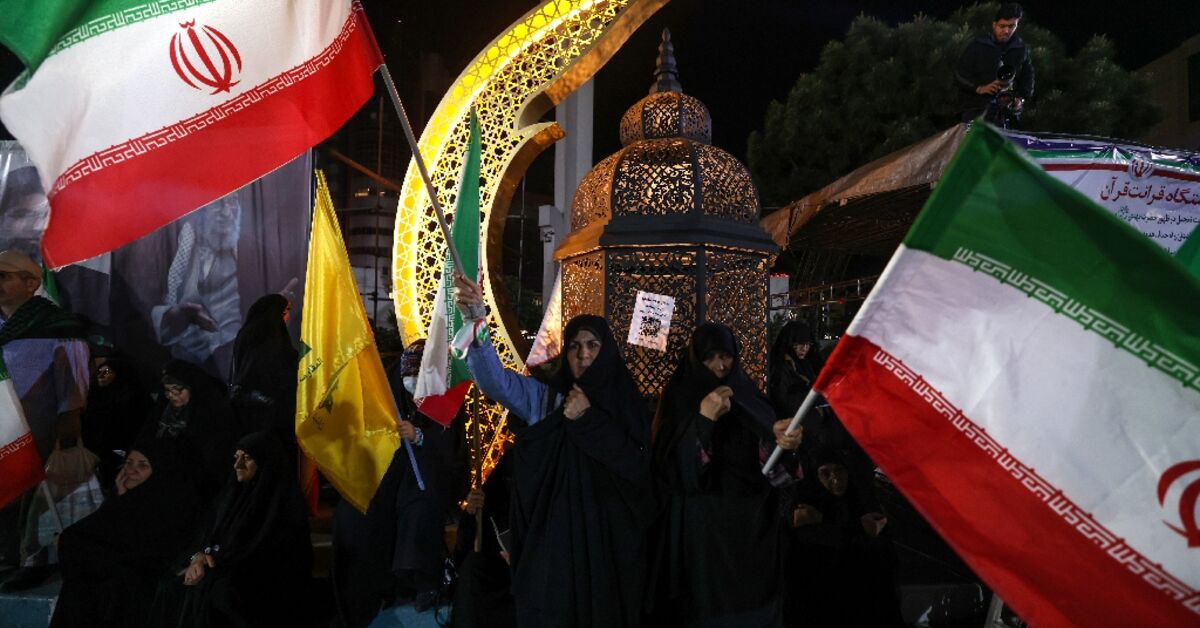
The Middle East conflict continues to evolve rapidly, with several significant developments shaping both the military and diplomatic landscape in ways that carry direct consequences for global markets.
The White House confirmed it is reviewing Iran's latest proposal regarding the Strait of Hormuz, the critical shipping chokepoint through which roughly one-fifth of the world's oil supply passes. Iran has offered conditional guarantees on shipping safety, but U.S. officials have expressed skepticism about Iran's willingness to enforce any agreement given its continued military posture in the region.
Related
Take Control of Your Money: Top Personal Finance BooksThe right financial knowledge can change your trajectory.
On the ground, Israeli strikes on Iranian military infrastructure have continued, while Iran's proxy forces in Lebanon and Yemen have maintained pressure on shipping lanes and Israeli territory. The U.S. has deployed additional naval assets to the Persian Gulf and is conducting mine-clearing operations to keep commercial shipping lanes open.
Oil markets have responded with sustained elevated prices, with Brent crude holding above $108 per barrel. Analysts warn that any disruption to Hormuz traffic — even a temporary one — could push prices significantly higher, with cascading effects on gasoline, transportation costs, and consumer prices worldwide.
Diplomatic efforts remain fragmented. U.S. envoys are reportedly heading to Pakistan for indirect talks with Iranian officials, but direct negotiations between the U.S. and Iran appear unlikely in the near term. European allies have pushed for a negotiated settlement, but their leverage is limited without American commitment to a broader diplomatic framework.
What This Means For You: The Middle East conflict is no longer a distant headline — it is showing up at the gas pump, in your investment portfolio, and in the price of goods that depend on global shipping. If you have not already stress-tested your budget for $5-per-gallon gasoline or reviewed your portfolio for energy-sector exposure, now is the time. The diplomatic window is narrow, and the military escalation path is wide.
Finance & Markets Editor
Originally sourced from Al-Monitor
Related Stories
Young Voters Squeezed by Economy, Distrust in Political System: Poll
A new Harvard Youth Poll paints a sobering picture of the economic and political landscape facing yo...
Will the Economy Cost Republicans the Midterms? New Poll Shows Troubling Signs
A new Fox News poll released this week delivers a sobering message for Republicans heading into the ...
Will Powell stay or go? Fed chair may reveal next steps after central bank meeting Wednesday.
The Federal Reserve will meet this week ahead of a looming leadership transition that remains fuzzy,...