3 Dead, 3 Ill: Hantavirus Cruise Ship Outbreak Becomes International Health Crisis
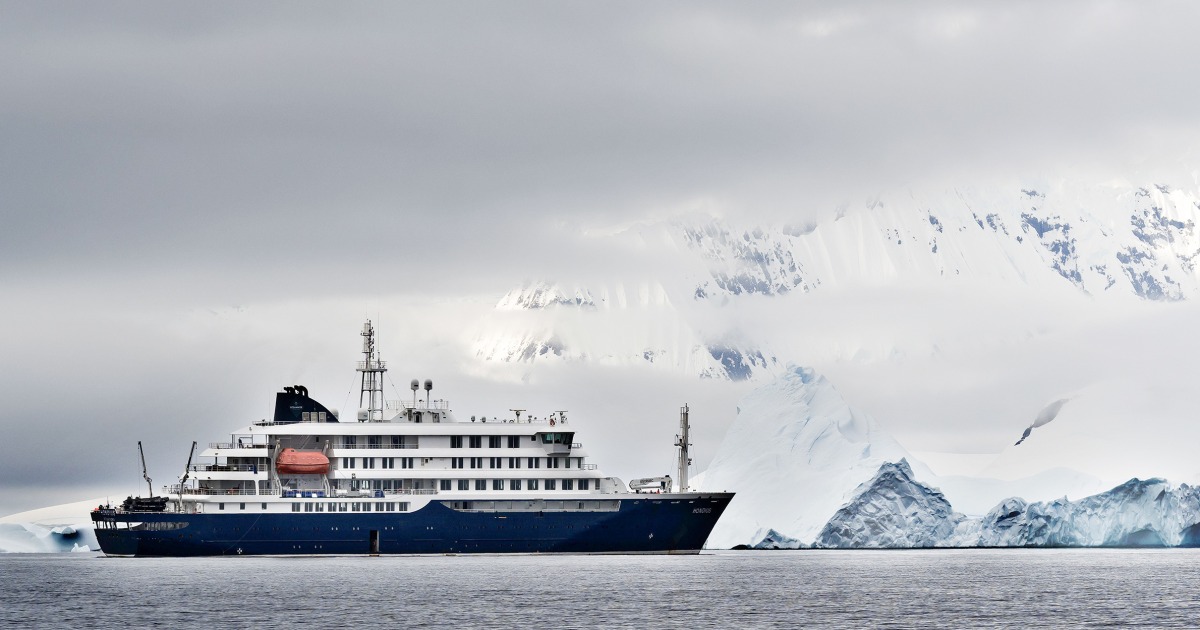
A luxury expedition cruise through the South Atlantic has become the center of an international public health emergency after three passengers died and three others fell ill from suspected hantavirus infections onboard the vessel Hondius, operated by Netherlands-based Oceanwide Expeditions. The outbreak, which unfolded over several weeks as the ship traveled from Antarctica toward the Canary Islands, has triggered a multi-country medical response and raised urgent questions about infectious disease protocols on expedition vessels.
The first confirmed hantavirus death was a British passenger who became ill while the ship was traveling from St. Helena to Ascension Island, according to South African Health Ministry spokesperson Foster Mohale. Two additional deaths followed: a 70-year-old man was declared dead on arrival in St. Helena, and a 69-year-old woman collapsed at Johannesburg's international airport while attempting to fly home to the Netherlands. She died at a health facility shortly after. Hantavirus is suspected but not yet confirmed in those two cases.
Of the three survivors who were sickened, one remains in intensive care in South Africa. The other two, both crew members, remain aboard the Hondius, which is currently positioned off Cape Verde in the Atlantic Ocean. Cape Verdean authorities have visited the ship to assess conditions but have not authorized the symptomatic crew members to disembark, Oceanwide Expeditions confirmed in a statement.
A Rare but Dangerous Pathogen
Hantavirus is not commonly associated with maritime outbreaks, which makes this incident particularly unusual and concerning for public health officials. According to the U.S. Centers for Disease Control and Prevention, hantavirus infections primarily occur through contact with rodents or their urine, droppings, and saliva. The virus does not typically spread through person-to-person transmission, although the World Health Organization has acknowledged that rare cases of human-to-human spread are possible, particularly with the Andes virus variant.
The WHO confirmed it is assisting the ship's operators in launching a medical evacuation for the remaining symptomatic individuals and has noted that virus sequencing is underway. The results of that sequencing will be critical. If the strain is identified as Andes hantavirus, which has documented person-to-person transmission, the containment protocols will need to expand significantly beyond rodent exposure investigation.
There are two main clinical presentations of hantavirus. Hantavirus pulmonary syndrome affects the lungs and carries a fatality rate exceeding 35% in the United States. Hemorrhagic fever with renal syndrome affects the kidneys and is more common in Europe and Asia. The clinical presentation of the affected passengers has not been publicly disclosed.
The Investigation and Its Complications
Tracing the source of exposure on a cruise ship presents unique challenges. The Hondius departed from Ushuaia, Argentina approximately three weeks ago with roughly 150 passengers, making stops at mainland Antarctica, the Falkland Islands, South Georgia, Nightingale Island, Tristan da Cunha, St. Helena, and Ascension before heading toward Cape Verde. Passengers who disembarked at earlier ports before the outbreak was detected are being traced by health authorities.
The question of rodent exposure onboard is central to the investigation. Expedition vessels like the Hondius typically dock at remote ports and may take on supplies in locations where rodent control standards vary significantly. Nightingale Island, one of the stops on the itinerary, is a remote uninhabited island in the Tristan da Cunha group known for its seabird colonies, where rodent species have historically been a conservation concern.
Spanish authorities are preparing to receive the ship when it arrives in Tenerife this weekend. Plans are underway for a careful evacuation of the approximately 140 remaining passengers and crew. The United States and the United Kingdom are arranging repatriation flights for their citizens.
The WHO has assessed the risk to the wider public as low, but that assessment depends heavily on whether human-to-human transmission is confirmed. If the strain is one that spreads between people, even inefficiently, the fact that passengers have already dispersed across multiple countries from earlier port stops becomes a significantly larger public health concern.
What This Means For You
If you are booked on an expedition cruise, this incident is a reminder to review your ship's medical capabilities and evacuation procedures before departure. Expedition vessels visiting remote destinations often operate far from advanced medical facilities, and evacuation can take days, not hours.
If you have recently traveled on the Hondius or any vessel that shared port calls with it, monitor yourself for symptoms including fever, muscle aches, fatigue, coughing, and shortness of breath. Hantavirus has an incubation period of one to eight weeks, meaning symptoms could appear well after you have returned home. Contact your healthcare provider immediately if symptoms develop, and mention potential hantavirus exposure.
For the general public, this outbreak underscores a broader reality. The global cruise industry recovered strongly from the pandemic era, but infectious disease risk on ships has not disappeared. The close quarters, shared ventilation systems, and multi-country itineraries that make cruises appealing also make them efficient vectors for disease transmission. The industry's post-COVID sanitation upgrades were designed primarily for respiratory pathogens. A rodent-borne virus requires entirely different prevention and detection protocols, many of which may not yet be in place across the fleet.
Editorial Team
Originally sourced from NBC News
Related Stories
Juvenile Shot in Vehicle Incident in Randolph County Highlights Gun Safety Concerns
COLUMBIA, Mo. (KMIZ) A juvenile had non-life-threatening injuries after they were accidentally shot ...
Your Android Camera Can Do Much More Than Take Photos — Here\'s What You\'re Missing
With the right apps, your Android camera becomes a health monitor, food scanner, accessibility tool,...
Young country music star's scary condition can kill her instantly: 'You're just gone'
The 28-year-old has been open about her health diagnosis....