Beach closures in multiple states over high bacteria levels this summer
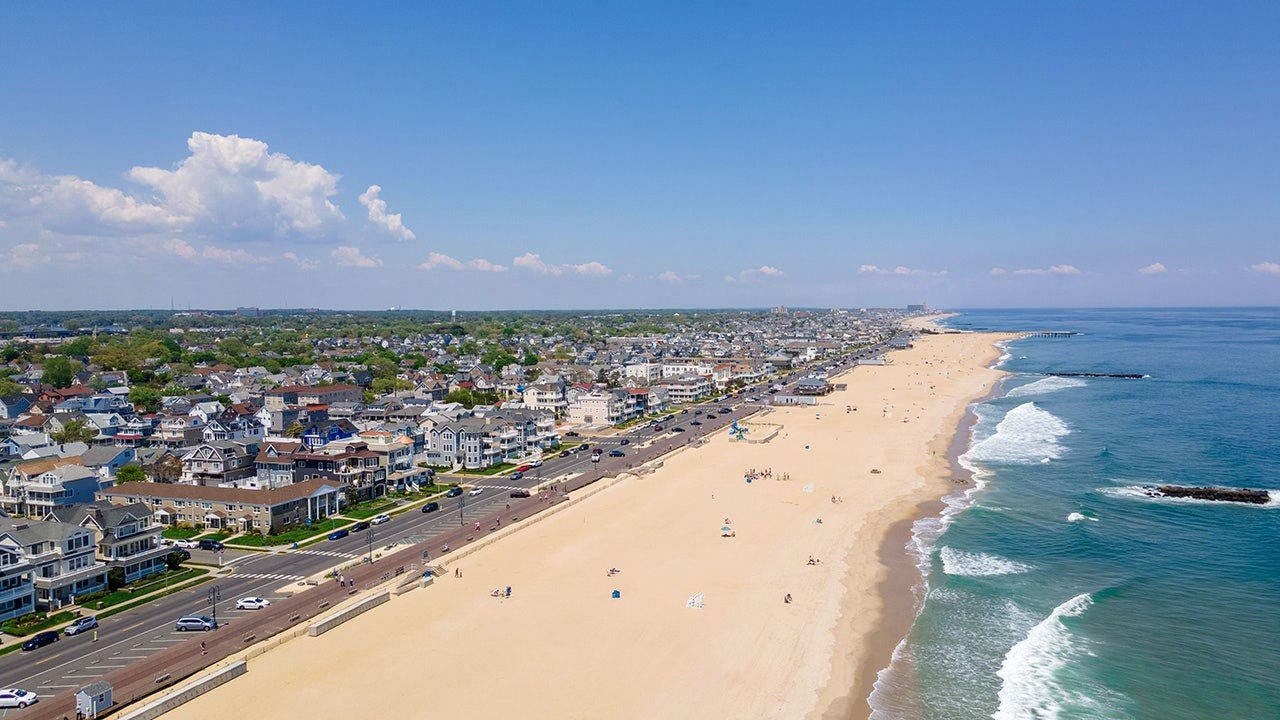
Beach closures are spreading across multiple states this summer as elevated bacteria levels force health officials to restrict access to popular waterfronts. From Iowa's lakes to the Atlantic coast, swimmers are encountering a pattern that public health experts say is becoming more common — and more concerning — as climate change, aging infrastructure, and development pressure converge on recreational waters.
Iowa, Massachusetts, New Jersey, and Washington state have all reported closures or health advisories in recent weeks, affecting dozens of beaches during what should be peak swimming season. The closures come amid record-breaking heat across much of the country, driving more people toward the water at precisely the moment it may be unsafe to enter.
## What's Causing the Contamination
The bacteria triggering these closures are primarily fecal coliforms and enterococci — organisms that indicate the presence of human or animal waste in the water. Their presence doesn't necessarily mean the water will make you sick, but it significantly increases the risk of gastrointestinal illness, skin infections, and respiratory problems for swimmers.
Several factors are driving this summer's elevated bacteria levels:
**Stormwater runoff.** Heavy rainfall washes animal waste, fertilizer, and sewage overflows into lakes, rivers, and coastal waters. Climate change is increasing both the frequency of intense rain events and the severity of droughts that concentrate pollutants in lower water volumes. This one-two punch — more runoff during storms, more concentrated contamination during dry periods — is degrading water quality across the country.
**Aging sewage infrastructure.** Many coastal and lakefront communities have combined sewer systems that carry both stormwater and sewage in the same pipes. During heavy rain, these systems can overflow directly into recreational waters. The EPA estimates that between 23,000 and 75,000 sewer overflows occur annually in the United States, releasing billions of gallons of untreated wastewater into waterways.
**Agricultural runoff.** In inland states like Iowa, agricultural operations contribute significant bacterial contamination through livestock waste and manure application to fields. The state's shallow lakes and warm summer temperatures create ideal conditions for bacterial growth.
**Development pressure.** Construction along waterfronts increases impervious surfaces — roads, parking lots, rooftops — that channel contaminated runoff directly into swimming areas rather than allowing natural filtration through soil and vegetation.
## Which Beaches Are Affected
In Massachusetts, several beaches along the coast have been posted with health advisories or closed entirely, including popular destinations on Cape Cod and the North Shore. State health officials conduct regular water quality testing throughout the summer, but the frequency and extent of closures this season has drawn attention.
New Jersey has issued advisories for multiple ocean and bay beaches, particularly after rain events. The state's beach monitoring program tests water quality at over 200 locations, and officials note that advisories typically clear within 24-48 hours as tides and currents dilute contaminants.
Iowa's state park beaches have been hit particularly hard, with multiple lake closures due to elevated bacteria and harmful algal blooms. The state's relatively flat terrain and intensive agriculture make its recreational waters especially vulnerable.
Washington state has reported closures along parts of Puget Sound, where aging wastewater systems and warm summer temperatures have created conditions favorable to bacterial growth.
## How to Protect Yourself
Before you head to the beach this summer, a few precautions can help you avoid waterborne illness:
**Check before you go.** Most states maintain beach monitoring websites that post current water quality data and closures. Check your state's environmental or public health department website before making plans. The EPA also maintains a Beach Advisory and Closing Online Notification system that tracks water quality across the country.
**Avoid swimming after heavy rain.** Bacteria levels typically spike within 24-48 hours of significant rainfall as runoff carries contaminants into swimming areas. If it's rained heavily in the past two days, the risk of contamination is significantly higher.
**Keep your head above water.** The primary route of infection for waterborne bacteria is ingestion. Keeping your face out of the water dramatically reduces your risk. This is especially important for children, who are more likely to swallow water while swimming.
**Don't swim near storm drains or pipes.** Outfall areas where stormwater or wastewater enters a body of water typically have higher bacteria concentrations. Stay at least 100 feet away from any visible discharge points.
**Wash after swimming.** Showering or at least rinsing off with clean water after swimming removes bacteria from your skin and reduces the risk of skin infections. This is especially important if you have any open cuts or wounds.
**Watch for warning signs.** If a beach is posted with an advisory but not officially closed, the bacteria levels are elevated but below the threshold for mandatory closure. The risk is higher but not eliminated. The decision to swim is yours, but young children, elderly swimmers, and anyone with a compromised immune system should avoid the water entirely during advisories.
## What This Means For You
Beach closures are not just a summer inconvenience — they're a signal about the health of our water systems and the infrastructure that protects them:
- **If you're planning a beach vacation**, check water quality reports for your destination before booking and again before you leave. A beach that was safe last week may not be safe this week.
- **If you live near a closed beach**, the underlying causes — aging infrastructure, agricultural runoff, development pressure — require long-term investment. Support local bond measures and state funding for water quality improvement, because the problem will get worse without action.
- **If you or your children get sick after swimming**, report it to your local health department. Many waterborne illness cases go unreported, which means the actual risk may be higher than official numbers suggest. Your report could help trigger testing that prevents others from getting sick.
- **If you're a property owner near water**, maintain natural buffers like vegetation along shorelines, minimize fertilizer use, and ensure your septic system is functioning properly. Individual actions matter, especially on lakes and rivers where there's less dilution than in the ocean.
Editorial Team
Originally sourced from Fox News
Related Stories
Juvenile Shot in Vehicle Incident in Randolph County Highlights Gun Safety Concerns
COLUMBIA, Mo. (KMIZ) A juvenile had non-life-threatening injuries after they were accidentally shot ...
Your Android Camera Can Do Much More Than Take Photos — Here\'s What You\'re Missing
With the right apps, your Android camera becomes a health monitor, food scanner, accessibility tool,...
Young country music star\'s scary condition can kill her instantly: \'You\'re just gone\'
The 28-year-old has been open about her health diagnosis....