Ebola's Bundibugyo Strain May Have Reached Europe as Outbreak Death Toll Climbs Past 230
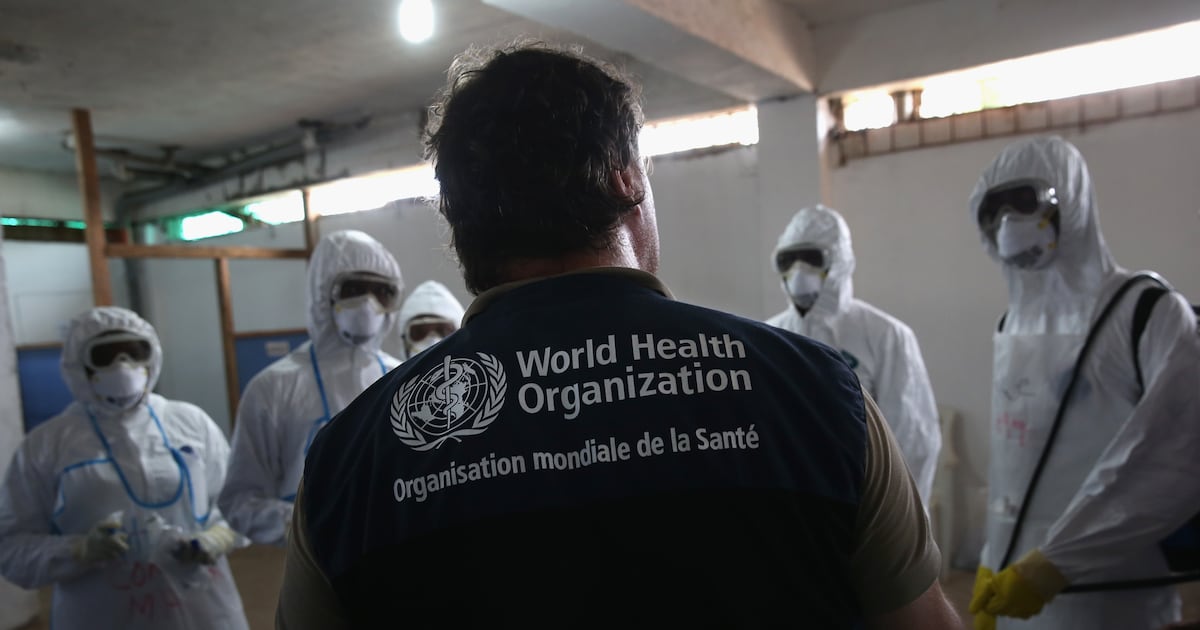
The Ebola virus may have crossed from Africa into Europe for the first time in the current outbreak, after two humanitarian workers returning from Uganda to Italy developed symptoms consistent with the disease. While the cases have not yet been confirmed, health authorities are treating them seriously — and the potential arrival of Ebola on a new continent marks a concerning escalation in an outbreak that has already claimed more than 230 lives.
**The numbers behind the outbreak**
The current Ebola outbreak has produced roughly 1,000 suspected cases across Uganda and the neighboring Democratic Republic of Congo, with more than 230 reported deaths so far. The strain responsible is the Bundibugyo variant — not the best-known type of Ebola, but potentially the most worrying right now.
Here's why: the Bundibugyo strain carries an estimated fatality rate of 25 to 40 percent. That's lower than the Zaire variant, which can kill up to 90 percent of those infected, but it comes with a critical difference. There is no approved vaccine or specific treatment for the Bundibugyo variant. The vaccines that proved effective during the 2018-2020 DRC outbreak targeted the Zaire strain. For Bundibugyo, doctors are working with supportive care alone.
The World Health Organization has already declared the outbreak a public health emergency of international concern, its highest level of alert. That declaration came weeks ago, when the outbreak was still contained to East Africa. The suspected Italian cases change the calculus.
**What we know about the suspected European cases**
Two humanitarian workers who returned to Italy from Uganda developed high fever and nausea — symptoms consistent with Ebola infection. They are being monitored while testing is conducted to confirm or rule out the virus.
The key details are limited because the cases are unconfirmed, but the scenario follows a pattern seen in previous Ebola outbreaks: frontline health workers and humanitarian staff, who operate in close proximity to infected patients, face the highest risk of exposure. Even with protective equipment, the nature of their work creates vulnerability.
If confirmed, these would be the first known cases of this outbreak outside the African continent. Italy's health system is well-equipped to handle isolated Ebola cases — the country successfully treated a healthcare worker infected during the 2014 West Africa outbreak — but the precedent matters. Each new geographic foothold increases the complexity of containment.
**Why Bundibugyo is different from past Ebola outbreaks**
Most global awareness of Ebola centers on the 2014-2016 West Africa outbreak, which killed more than 11,000 people and was caused by the Zaire variant. That outbreak led to the development of the rVSV-ZEBOV vaccine and new therapeutic antibodies.
But those tools don't work here. The Bundibugyo strain is genetically distinct enough that existing vaccines and treatments are unproven against it. Research into Bundibugyo-specific countermeasures exists, but nothing has cleared the regulatory hurdles needed for deployment.
This gap is not new — it's a recurring problem with Ebola. The virus family has multiple species, and medical countermeasures tend to be species-specific. Each time a different strain emerges as the primary threat, the pharmaceutical pipeline starts from a different point on the curve.
**What This Means For You**
An outbreak that might have felt distant just became less so. If Ebola has reached Europe — even in isolated, contained cases among humanitarian workers — it underscores how interconnected global health really is. The practical risk to most people remains extremely low, but the broader lesson is clear: underfunding research into less-prominent strains creates dangerous blind spots. The Bundibugyo variant has been known since 2007, and we still have no vaccine for it. When the next variant surfaces — as one inevitably will — the question is whether we'll be any more prepared than we are today. For now, the best thing you can do is stay informed and support public health infrastructure, which remains the only tool that works against every strain.
Editorial Team
Originally sourced from The Daily Beast
Related Stories
Juvenile Shot in Vehicle Incident in Randolph County Highlights Gun Safety Concerns
COLUMBIA, Mo. (KMIZ) A juvenile had non-life-threatening injuries after they were accidentally shot ...
Your Android Camera Can Do Much More Than Take Photos — Here\'s What You\'re Missing
With the right apps, your Android camera becomes a health monitor, food scanner, accessibility tool,...
Young country music star's scary condition can kill her instantly: 'You're just gone'
The 28-year-old has been open about her health diagnosis....