High cancer rate near Goodyear plant in Niagara Falls
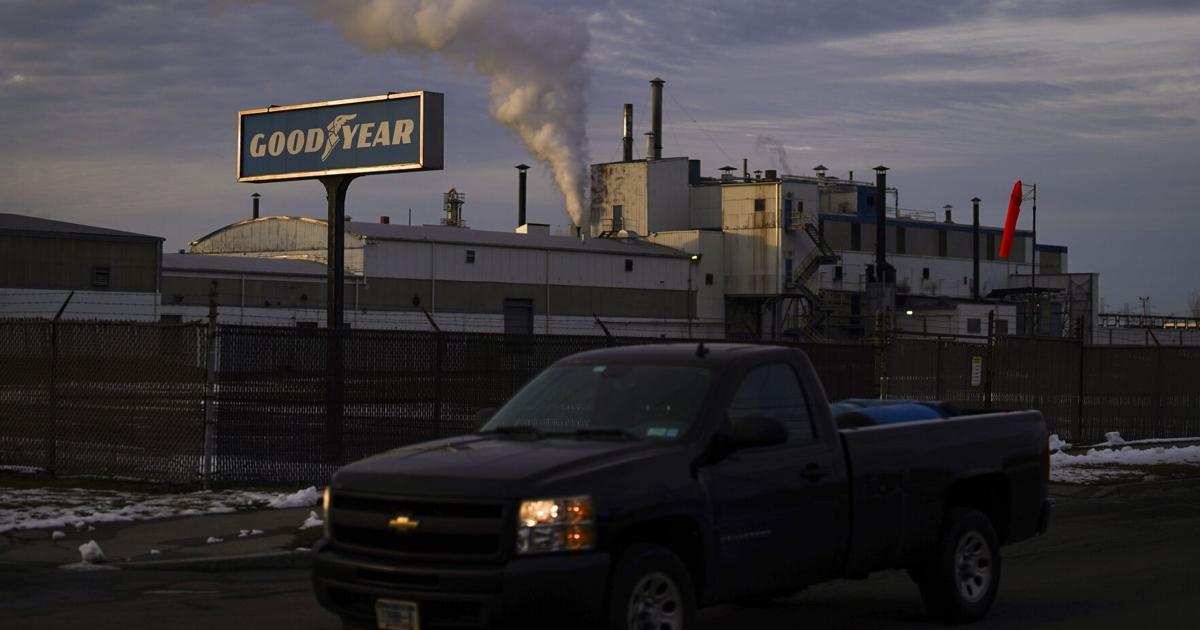
A chemical linked to cancer is being emitted from a Goodyear tire plant in Niagara Falls at levels more than 400 times what New York state considers safe, according to an independent analysis that has reignited concerns about industrial pollution in the region.
The findings, presented by attorney Steven Wodka, focus on ortho-toluidine — a known human carcinogen used in rubber manufacturing that has been tied to elevated cancer rates in communities surrounding the Goodyear facility. The analysis suggests that the plant is releasing the chemical at concentrations that far exceed the state's established health-based air guideline, raising urgent questions about whether current regulatory oversight is adequate to protect public health.
## What Is Ortho-Toluidine and Why Does It Matter?
Ortho-toluidine is an aromatic amine used in the production of synthetic rubber and dyes. The International Agency for Research on Cancer has classified it as a Group 1 carcinogen — the highest risk category, meaning there is sufficient evidence that it causes cancer in humans. Occupational exposure has been definitively linked to bladder cancer in rubber workers, but the Wodka analysis suggests the risk may extend far beyond the factory gates.
The chemical can be released into the air during manufacturing processes and can contaminate nearby soil and water. Once in the environment, it persists and can travel significant distances from its source, meaning residents who have never set foot inside the Goodyear plant may still be exposed.
## The Regulatory Response — and Its Limits
In February, the New York State Department of Environmental Conservation approved a plan from Goodyear to reduce emissions of ortho-toluidine. The plant, which employs approximately 70 workers, has stated that the "health and safety of our associates and the communities where we operate are our top priority."
But the timeline and specifics of that reduction plan remain unclear. The state's new DEC Commissioner, Amanda Lefton, addressed concerns about local pollution in a recent Q&A with The Buffalo News, outlining her statewide priorities for environmental enforcement. Whether those priorities translate into faster, more aggressive action at the Goodyear plant — and at similar facilities across New York — remains an open question.
The fundamental challenge is one of enforcement velocity. Regulatory agencies typically operate on timelines measured in years: studies are commissioned, data is collected, public comment periods are held, and compliance plans are negotiated. Meanwhile, residents in the affected area continue breathing air that independent analysis suggests is hazardous at 400 times the safe threshold.
## The Pattern of Industrial Cancer Clusters
The Niagara Falls situation fits a distressingly familiar pattern in American environmental health. Across the country, communities adjacent to industrial facilities — often low-income and minority neighborhoods — face elevated cancer rates that regulatory agencies are slow to address and slow to connect to the pollution sources in their midst.
From the petrochemical corridor in Louisiana's "Cancer Alley" to the ethylene oxide emissions in Crossett, Arkansas, the story repeats: residents report unusual illness patterns, independent testing reveals contamination far exceeding official limits, and the responsible companies issue statements about safety commitments while the regulatory process grinds forward at a pace that ensures years of continued exposure.
The Wodka analysis is significant because it provides an independent data point that can't be dismissed as regulatory overreach or activist exaggeration. When a chemical classified as a known human carcinogen is present at 400 times the safe level, the burden of proof should shift — from residents proving harm to the facility proving safety.
## Health Risks for Nearby Residents
For residents living near the Goodyear plant, the primary health concerns include:
- **Bladder cancer:** The most directly linked cancer associated with ortho-toluidine exposure, with risk increasing proportionally to cumulative exposure duration
- **Respiratory issues:** Airborne chemical exposure can irritate and damage lung tissue, compounding risks for residents already dealing with air quality challenges in the Niagara Falls region
- **Kidney and liver damage:** Chronic low-level exposure to aromatic amines can affect organ function over years and decades, often with symptoms that don't appear until significant damage has occurred
- **Childhood health effects:** Children are disproportionately affected by environmental contaminants due to their developing systems and higher exposure relative to body weight
## What This Means For You
If you live within a few miles of an industrial facility — whether in Niagara Falls or anywhere else — you should take three steps right now. First, check the EPA's Toxic Release Inventory (TRI) at epa.gov/trinexplorer to see what chemicals are being released in your area. Second, ask your local health department for cancer incidence data for your zip code; many states make this publicly available. Third, if you live near a known pollution source, advocate for independent air quality testing rather than relying solely on industry self-reporting.
For the residents of Niagara Falls, the path forward requires sustained political pressure on the DEC to enforce the February emissions reduction plan aggressively and with measurable milestones, not vague promises. The 400x figure isn't a suggestion — it's a emergency siren that demands immediate action.
The gap between what regulators consider safe and what independent analysis finds on the ground is not an academic debate. It's a measurement of how many people are breathing poison while the process plays out. Niagara Falls deserves better than to wait for that gap to close on its own.
Editorial Team
Originally sourced from Buffalo Buffalo News
Related Stories
Juvenile Shot in Vehicle Incident in Randolph County Highlights Gun Safety Concerns
COLUMBIA, Mo. (KMIZ) A juvenile had non-life-threatening injuries after they were accidentally shot ...
Your Android Camera Can Do Much More Than Take Photos — Here\'s What You\'re Missing
With the right apps, your Android camera becomes a health monitor, food scanner, accessibility tool,...
Young country music star\'s scary condition can kill her instantly: \'You\'re just gone\'
The 28-year-old has been open about her health diagnosis....