Israeli strikes kill 14 in Lebanon as Israel warns residents to leave towns beyond 'buffer zone'
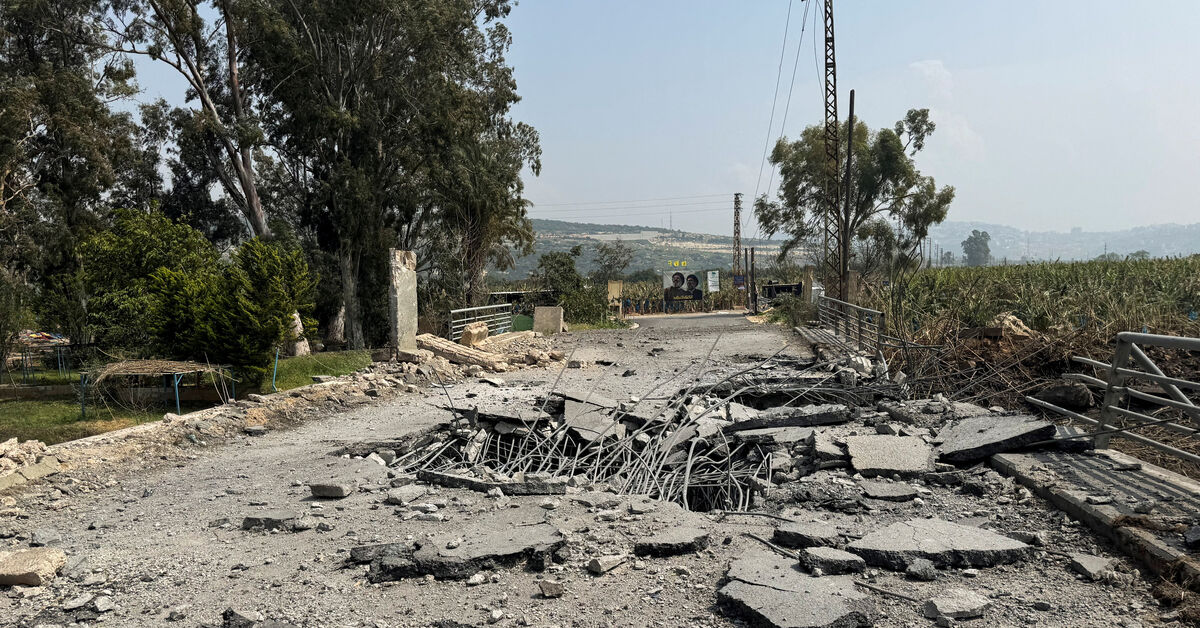
Israeli airstrikes in southern Lebanon have killed at least 14 people and wounded dozens more, marking a significant escalation in cross-border violence that threatens to reignite the broader regional conflict.
The strikes targeted areas beyond the Litani River, the boundary established under the 2006 UN ceasefire agreement that was supposed to keep Hezbollah forces away from the Israeli border. Israel warned residents of southern Lebanese towns to evacuate, signaling that further military operations are imminent.
Related
Health & Wellness Essentials on AmazonSmall changes in your daily routine can make a big difference in how you feel.
Lebanese health officials reported that among the dead were at least three children, drawing immediate international condemnation. The Israeli military stated the strikes targeted Hezbollah infrastructure and rocket launch sites, claiming the civilian casualties resulted from Hezbollah operating within populated areas.
The violence represents the most serious escalation since the U.S.-brokered ceasefire earlier this year. That agreement had temporarily reduced hostilities, but underlying tensions over Hezbollah's military presence in southern Lebanon were never resolved.
UNIFIL, the United Nations peacekeeping force in Lebanon, called for immediate de-escalation, warning that the situation could spiral into a full-scale conflict. France and Egypt have both offered to mediate, but neither Israel nor Hezbollah has accepted diplomatic overtures.
The humanitarian impact extends beyond the immediate casualties. The new evacuation orders affect an estimated 40,000 Lebanese civilians, many of whom had only recently returned to their homes after being displaced by earlier fighting. UN shelters in Tyre and Sidon are already near capacity.
Hezbollah has vowed retaliation, raising fears of a tit-for-tat escalation cycle similar to the one that consumed the region last year. The group launched a barrage of rockets into northern Israel following the strikes, with most intercepted by Israel's Iron Dome system.
**What This Means For You:** Escalation in Lebanon could drive oil prices higher and disrupt global shipping routes, indirectly affecting gas prices and supply chains worldwide. If you have family or business connections in the region, monitor State Department travel advisories closely. The conflict also underscores the fragility of Middle East ceasefires — investment strategies that assume regional stability should account for this persistent risk.
Originally sourced from Al-Monitor
Related Stories
Young Adult Suicide Rate Down 11% Over 2.5 Years of New 988 Mental Health Crisis Hotline
New data shows that the young adult suicide rate has dropped 11% since the launch of the 988 Suicide...
Will Trump\'s reclassifying of medical marijuana have any impact on criminal justice reform?
The Trump administration...
Will Trump\'s reclassifying of medical marijuana have any effect on criminal justice reform?
The Trump administration has moved to reclassify state-licensed medical marijuana as a less-dangerou...