RFK Jr. Draws Backlash for Ripping Medicaid Programs That Pay People to Care for Relatives
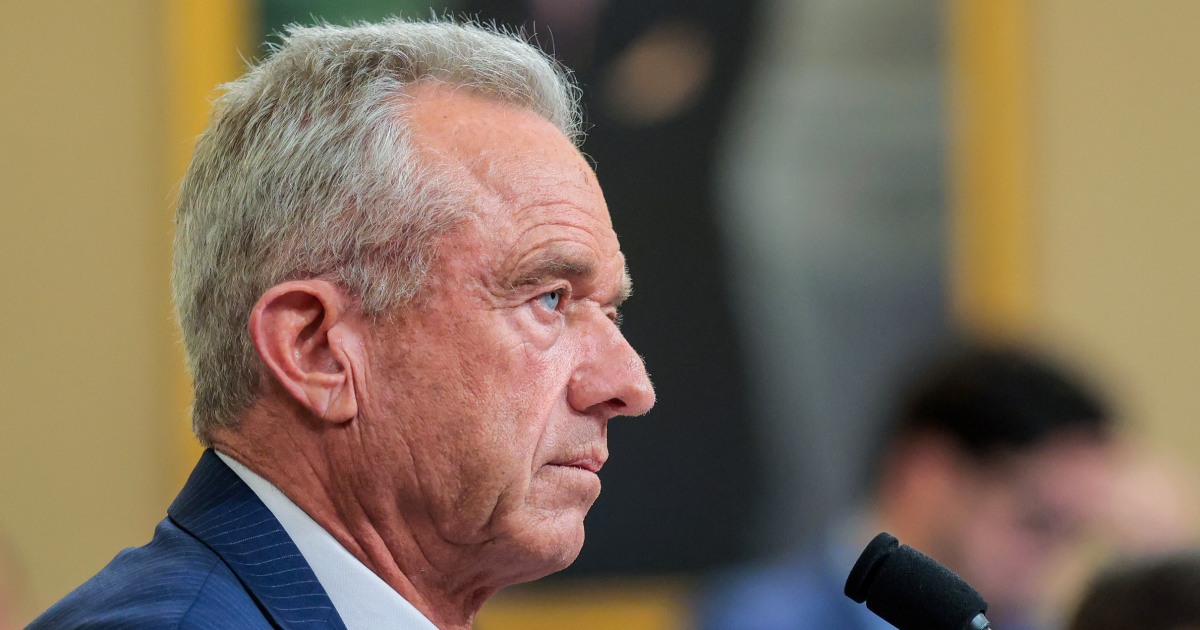
Health and Human Services Secretary Robert F. Kennedy Jr. is facing intense backlash from disability advocates and caregivers after claiming that Medicaid programs that pay family members to care for relatives are "rife with fraud."
The programs in question, known as self-directed care or consumer-directed services, allow Medicaid recipients — often people with disabilities or elderly individuals — to hire family members as paid caregivers. These programs are designed to keep people in their homes and communities rather than in institutional settings, which is both more desirable for the individuals and often less costly for the system.
Related
Health & Wellness Essentials on AmazonSmall changes in your daily routine can make a big difference in how you feel.
Advocates say Kennedy's characterization of these programs as fraudulent is not only inaccurate but deeply insulting to the millions of family caregivers who provide essential, round-the-clock care to their loved ones. These caregivers often make significant financial and personal sacrifices, and the Medicaid payments they receive are typically modest compared to what professional caregiving services would cost.
The backlash highlights a broader tension in the current administration's approach to government spending. While rooting out fraud and waste is a legitimate goal, advocates argue that broadly painting programs that serve vulnerable populations as corrupt risks cutting services that people depend on for survival.
Self-directed care programs have bipartisan support in many states because they save money while improving quality of life. Critics of Kennedy's remarks worry that the fraud allegations could be used to justify cuts that would force people into institutions and cost taxpayers more in the long run.
What This Means For You: If you or a family member relies on Medicaid's self-directed care programs, Kennedy's comments could signal coming changes that make it harder to receive or provide care at home. For the broader public, this debate is about more than rhetoric — it's about whether the government will support family caregivers or push people into more expensive institutional care. The outcome could affect the quality of life for millions of Americans and the cost of healthcare for everyone.
Originally sourced from NBC News
Related Stories
Young Adult Suicide Rate Down 11% Over 2.5 Years of New 988 Mental Health Crisis Hotline
New data shows that the young adult suicide rate has dropped 11% since the launch of the 988 Suicide...
Will Trump\'s reclassifying of medical marijuana have any impact on criminal justice reform?
The Trump administration\'s executive order reclassifying state-licensed medical marijuana from Sched...
Will Trump\'s reclassifying of medical marijuana have any effect on criminal justice reform?
The Trump administration has moved to reclassify state-licensed medical marijuana as a less-dangerou...