Risk of Ebola spread is high regionally but low globally, WHO says
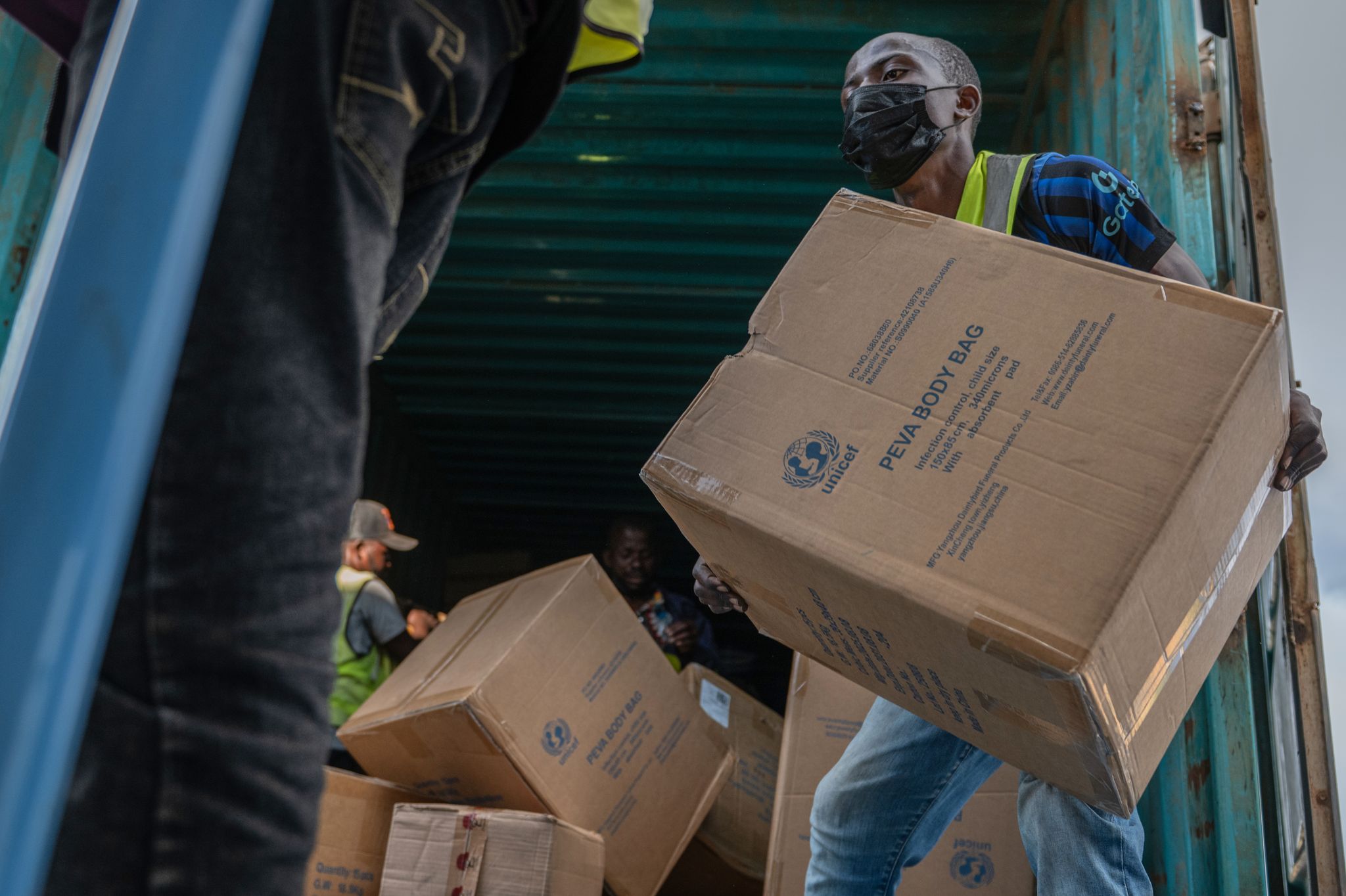
The World Health Organization has declared the ongoing Ebola outbreak in eastern Congo a public health emergency of international concern, warning that while the risk of global spread remains low, the regional threat is high and the situation on the ground is deteriorating faster than response teams can manage.
The Numbers Are Almost Certainly Wrong
As of Wednesday, WHO Director-General Tedros Adhanom Ghebreyesus confirmed 51 cases in Congo's northern provinces of Ituri and North Kivu, along with two in neighboring Uganda. But those confirmed cases barely scratch the surface. There are an additional 139 suspected deaths and nearly 600 suspected cases, and Tedros himself acknowledged that the true scale is much larger. `We expect those numbers to keep increasing,` he said.
The discrepancy between confirmed and suspected cases points to a critical failure in the early detection system. The outbreak is caused by the Bundibugyo strain of Ebola, a rare variant for which there are no approved medicines or vaccines. The first known death occurred on April 24 in Bunia, but confirmation took weeks because authorities initially tested for the more common Zaire strain, which came back negative. During that delay, the virus spread undetected.
A Health System Already on Its Knees
Eastern Congo was not prepared for this, and in many ways, it was not designed to be. The region suffers from a preexisting humanitarian crisis, with armed rebel groups controlling significant territory and impeding aid delivery. In Bunia, the site of the first known death, schools and churches remain open. Residents are wearing masks, but face masks and disinfectants have become scarce and expensive, with prices quadrupling in some areas.
Doctors Without Borders emergency program manager Trish Newport described conditions in Bunia as dire. Her team identified suspected cases at Salama Hospital, which has no isolation ward. When they tried to transfer patients to other facilities, every hospital they called reported being full of suspect cases. `This gives you a vision of how crazy it is right now,` she wrote.
In Mongbwalu, the epicenter of the outbreak, the border with Uganda remains open and gold mining operations continue. A local civil society leader reported that there is no panic, but also no public handwashing stations and limited resources for containment. A doctor at Mongbwalu General Hospital said his clinic was treating approximately 30 Ebola patients and that a student from the local medical technology institute had just died.
The Vaccine Question
An experimental vaccine developed by Oxford researchers, designed to target multiple Ebola strains, is expected to arrive from shipments by the United States and Britain. Congolese virologist Jean-Jacques Muyembe said the plan is to administer the vaccine and observe who develops the disease, essentially using it as a reactive containment tool rather than a preventive one.
This is a far cry from the ring vaccination strategy that proved effective during the 2018-2020 Zaire Ebola outbreak, which used the rVSV-ZEBOV vaccine with demonstrated efficacy. The Bundibugyo strain has no such tool available, and the experimental vaccine's effectiveness remains unknown.
Funding Cuts Compound the Crisis
Dr. Anne Ancia, the head of the WHO team in Congo, noted that cuts in funding have had a `marked detrimental effect on humanitarian actors` responding to the outbreak. This is not an abstract concern; it translates directly into fewer treatment centers, fewer contact tracers, and fewer resources on the ground at the exact moment when the outbreak is accelerating.
U.S. Secretary of State Marco Rubio said the Trump administration would `lean into` Ebola response efforts with a priority on funding 50 emergency clinics in affected areas. The U.S. has contributed million so far, with Rubio indicating more is coming. But million is a fraction of what was spent during the 2014-2016 West Africa Ebola response, which ultimately cost over billion in international aid.
What This Means For You
The Bundibugyo Ebola outbreak is a reminder that global health security depends on the weakest links in the chain. Eastern Congo has virtually no infrastructure for containing a virus of this nature, and the weeks-long delay in identifying the correct strain allowed silent transmission to take hold. While WHO assesses global risk as low, regional spread to Uganda and potentially beyond is a real possibility given open borders, ongoing mining activity, and overwhelmed health facilities. For the international community, the question is whether the response will be scaled to match the actual scale of the outbreak rather than the confirmed case count, which everyone agrees is a dramatic underestimate. The experimental vaccine offers a potential tool, but it has not been tested in the conditions where it will be deployed, and funding gaps threaten to undermine even the most basic containment measures.
Editorial Team
Originally sourced from SFGATE
Related Stories
Juvenile Shot in Vehicle Incident in Randolph County Highlights Gun Safety Concerns
COLUMBIA, Mo. (KMIZ) A juvenile had non-life-threatening injuries after they were accidentally shot ...
Your Android Camera Can Do Much More Than Take Photos — Here\'s What You\'re Missing
With the right apps, your Android camera becomes a health monitor, food scanner, accessibility tool,...
Young country music star's scary condition can kill her instantly: 'You're just gone'
The 28-year-old has been open about her health diagnosis....