Santana Moss hosts clinic for kids with disabilities in Southeast DC
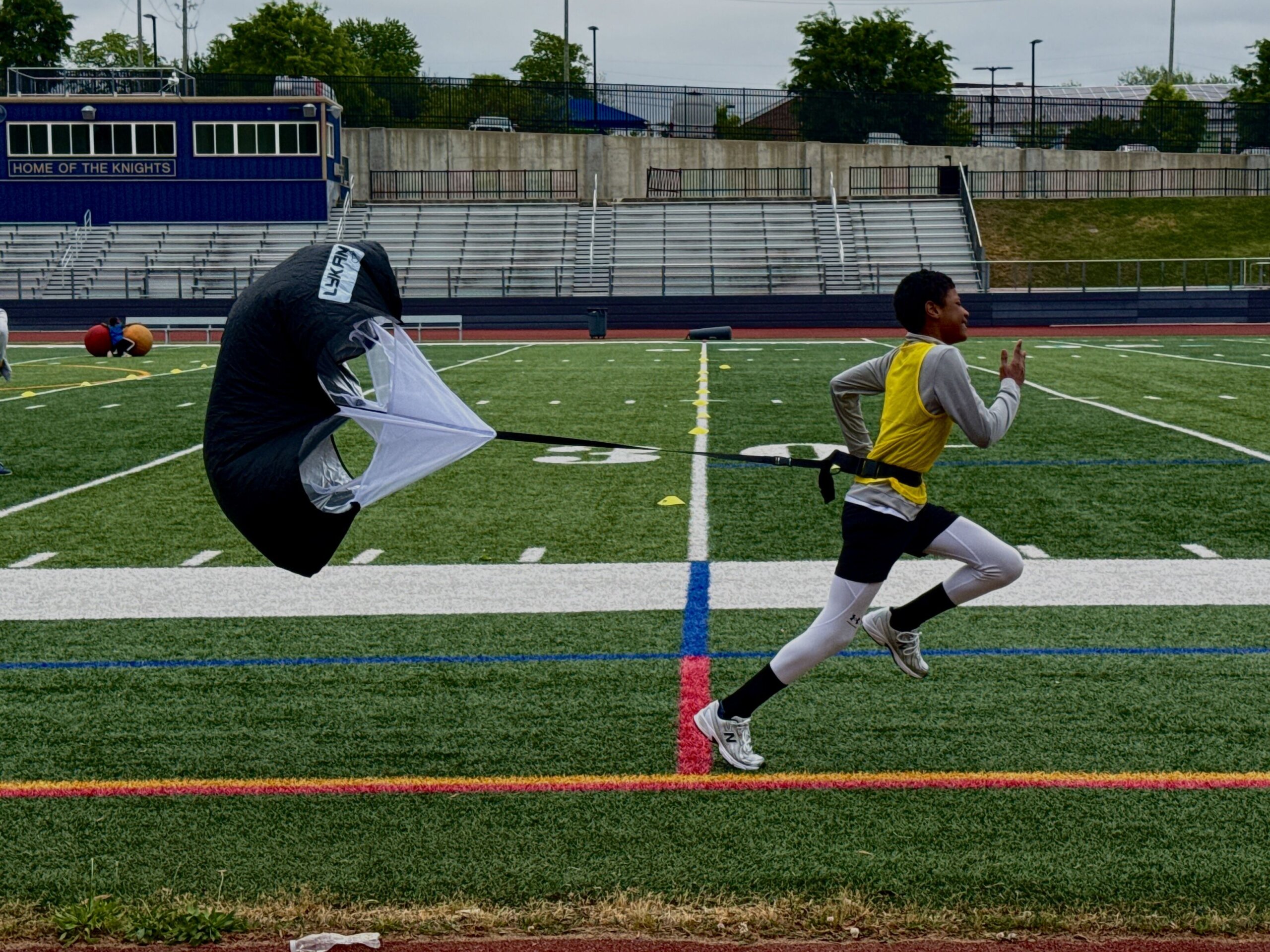
Former Washington Redskins wide receiver Santana Moss hosted a free clinic for children with disabilities at Ballou High School in Southeast D.C., bringing his 89 Ways to Give Foundation and Health Services for Children with Special Needs together for a day of sports, mentorship, and community.
The event offered adaptive sports activities, health screenings, and one-on-one time with Moss and other volunteers — a combination that addresses a real gap in youth programming for children with disabilities in underserved communities. Adaptive sports programs are disproportionately concentrated in wealthier suburbs, leaving urban neighborhoods with fewer options for children who need modified activities, specialized equipment, and trained coaches.
Related
Health & Wellness Essentials on AmazonSmall changes in your daily routine can make a big difference in how you feel.
Moss, who played 14 seasons in the NFL and spent a decade with Washington, has been increasingly visible in community work since retiring. The 89 Ways to Give Foundation — named after his jersey number — focuses on youth development and health access in the D.C. area. The partnership with Health Services for Children with Special Needs extends that mission to a population that often falls through the cracks between disability services and youth sports programming.
The clinic's location matters. Southeast D.C. has historically been underserved by both healthcare providers and recreational programming. Ballou High School, which has faced its own challenges with funding and resources, served as both a practical venue and a symbolic one — bringing resources directly into a community that has too often been asked to travel to access them.
The broader context is that adaptive sports and disability-inclusive programming are growing nationally but remain unevenly distributed. Federal funding through the Department of Education and the Department of Health and Human Services supports some programs, but the patchwork nature of funding means that access depends heavily on where a child lives and whether local organizations step up to fill the gap.
What This Means For You: If you have a child with disabilities, adaptive sports programs exist — but finding them can require digging beyond the obvious recreation department listings. Organizations like Move United, Special Olympics, and local foundations like Moss's are often the best starting points. If you're in a position to volunteer or donate, adaptive sports programs consistently report the highest unmet need relative to demand. And if you're an athlete or former athlete looking for meaningful community engagement, this is exactly the kind of programming that benefits most from people who understand sports showing up for kids who want to play.
Originally sourced from WTOP
Related Stories
Young Adult Suicide Rate Down 11% Over 2.5 Years of New 988 Mental Health Crisis Hotline
New data shows that the young adult suicide rate has dropped 11% since the launch of the 988 Suicide...
Will Trump\'s reclassifying of medical marijuana have any impact on criminal justice reform?
The Trump administration\'s executive order reclassifying state-licensed medical marijuana from Sched...
Will Trump\'s reclassifying of medical marijuana have any effect on criminal justice reform?
The Trump administration has moved to reclassify state-licensed medical marijuana as a less-dangerou...