This small rodent is at the center of theories about the hantavirus outbreak
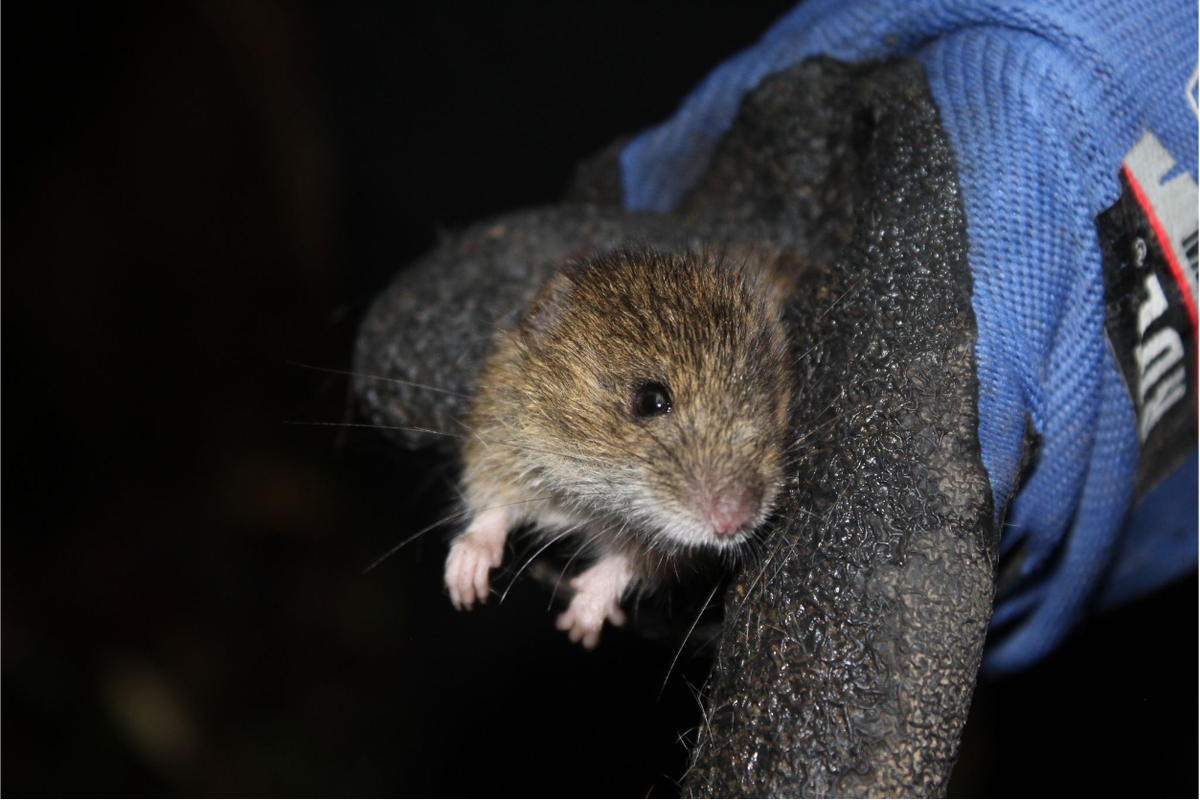
A tiny South American rodent no bigger than a AA battery has become ground zero for one of the most alarming viral outbreaks in recent memory. As international health officials scramble to understand how a hantavirus outbreak killed three passengers and sickened more than a dozen others aboard the MV Hondius cruise ship, investigators are pointing to the long-tailed pygmy rice rat — a common but underappreciated reservoir of Andes virus — as the likely culprit.
The MV Hondius outbreak began in April when a Dutch couple fell critically ill during the ship's voyage from Argentina across the Atlantic. Both died. By the time the World Health Organization convened emergency briefings, the case count had grown to at least 11 confirmed or suspected infections across multiple nationalities. Three passengers are dead. The rest are in quarantine, being monitored at facilities across seven U.S. states and several European countries.
At the center of the investigation is Andes virus, a type of hantavirus that researchers consider uniquely dangerous. It is the only hantavirus known to transmit directly between humans — every other variant spreads exclusively through contact with infected rodents or their waste products. Andes virus does both. That single characteristic transforms what would normally be a localized wildlife exposure event into a potential chain of human-to-human transmission, and it's why WHO, the CDC, and international epidemiologists are watching this outbreak with unusual intensity.
The long-tailed pygmy rice rat, known scientifically as Oligoryzomys longicaudatus, is the primary reservoir host. By some estimates, nearly 10 percent of these animals in certain regions carry Andes virus. They're ecological generalists — adaptable to forests, grasslands, and even the edges of rural human settlements. A body the size of a AAA battery. A range that extends across Chile and Argentina. And a disease load that, when transmitted to humans, can be lethal in up to 50 percent of cases, according to WHO data on hantavirus pulmonary syndrome.
Health officials suspect the first victims may have been exposed in Argentina, possibly at a bird-watching site with known rodent activity. The Dutch ornithologist who has been identified as potentially the first case was reportedly touring an area in Patagonia with documented rice rat populations. Investigators are now sequencing hantavirus genomes found in South American rodent samples, comparing them to viral strains from the ship patients, to trace the exact origin of the outbreak.
What's making this situation harder to contain is how little the scientific community actually knows about hantavirus circulation in wild animal populations. Most hantavirus research, experts concede, is reactive — triggered by human outbreaks rather than proactive wildlife surveillance. "If we only conduct research after outbreaks occur, we fail to capture the baseline telling us how the virus was in the wild," said Luis Escobar, an associate professor of fish and wildlife conservation at Virginia Tech. "We need to understand the ingredients needed for these spillover events to happen in the first place."
Climate change is adding another layer of concern. Rising temperatures are expanding the range of rodent species like the long-tailed pygmy rice rat into higher elevations and new geographic zones. Heavy rainfall events — which are becoming more frequent in South America — periodically trigger "ratadas," population explosions among rodents, that have historically preceded hantavirus outbreaks in humans. The virus and its host have co-evolved over thousands of years. Humans are the ones changing the conditions.
For now, the CDC is maintaining that the risk to the general U.S. public remains very low. No sustained community transmission of Andes virus has been detected outside the cruise ship context. Passengers who were aboard the MV Hondius are being monitored closely, and health officials are conducting extensive contact tracing. Still, the episode has exposed significant gaps in maritime health protocols and international surveillance infrastructure for zoonotic diseases.
What This Means For You: If you were aboard the MV Hondius or had close contact with someone who was, follow all CDC and local health department guidance immediately and report any respiratory symptoms — fever, muscle aches, and shortness of breath — to a doctor without delay. For everyone else, the risk is low, but awareness matters. Hantavirus infections in the U.S. typically result from exposure to rodent droppings in enclosed spaces like cabins, sheds, or storage areas. If you're cleaning out a space with signs of rodent activity, wear an N95 mask, gloves, and avoid sweeping dust. Wet-wipe surfaces before cleaning. Hantavirus is rare but serious — the 50 percent fatality rate for pulmonary syndrome is not a number to dismiss.
Editorial Team
Originally sourced from Scientific American
Related Stories
Juvenile Shot in Vehicle Incident in Randolph County Highlights Gun Safety Concerns
COLUMBIA, Mo. (KMIZ) A juvenile had non-life-threatening injuries after they were accidentally shot ...
Your Android Camera Can Do Much More Than Take Photos — Here\'s What You\'re Missing
With the right apps, your Android camera becomes a health monitor, food scanner, accessibility tool,...
Young country music star's scary condition can kill her instantly: 'You're just gone'
The 28-year-old has been open about her health diagnosis....