Tick Season Off to a Fast Start, CDC Issues Early Advisory
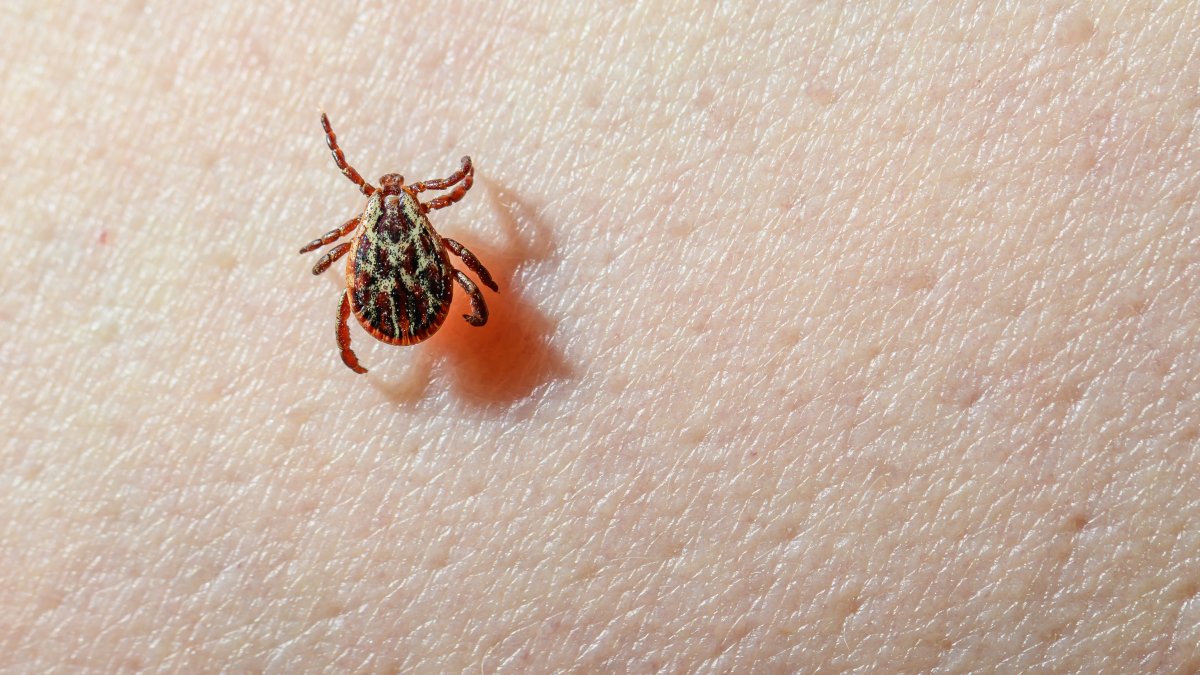
The Centers for Disease Control and Prevention issued an early advisory this week urging the public to take precautions against ticks, as experts report that tick season is off to an unusually fast start this year.
The early advisory is notable because the CDC typically ramps up its tick-borne disease messaging closer to the peak summer months. The decision to alert the public now suggests that conditions this spring — likely including warmer-than-average temperatures and favorable humidity — have created an environment where ticks are active earlier and in larger numbers than usual.
Related
Health & Wellness Essentials on AmazonSmall changes in your daily routine can make a big difference in how you feel.
Tick-borne illnesses, including Lyme disease, anaplasmosis, and babesiosis, have been on the rise across the United States for years. The CDC has documented a steady increase in reported cases, and experts worry that an earlier start to tick season could translate into more infections over the full course of the year. Climate change, expanded deer populations, and suburban development into previously wooded areas have all contributed to the expanding footprint of tick-borne disease.
The advisory recommends standard preventive measures: using EPA-registered insect repellent containing DEET or picaridin, wearing long sleeves and pants when in wooded or grassy areas, performing thorough tick checks after outdoor activities, and showering within two hours of coming indoors. Pet owners are also urged to use vet-recommended tick prevention products for dogs and cats.
Early removal is critical. The CDC notes that a tick generally must be attached for 36 to 48 hours before it can transmit Lyme disease, making prompt detection and removal one of the most effective safeguards.
What This Means For You: If you spend time outdoors — hiking, gardening, walking your dog, or even just in your backyard — start your tick prevention routine now, not in June. Check yourself and your pets after every outdoor outing, and if you find a tick, remove it promptly with fine-tipped tweezers. An early tick season means an early start to the risk window. Don't wait for summer to take this seriously.
Originally sourced from NBC10 Boston