What to Know About Trump's Reclassification of Medical Marijuana
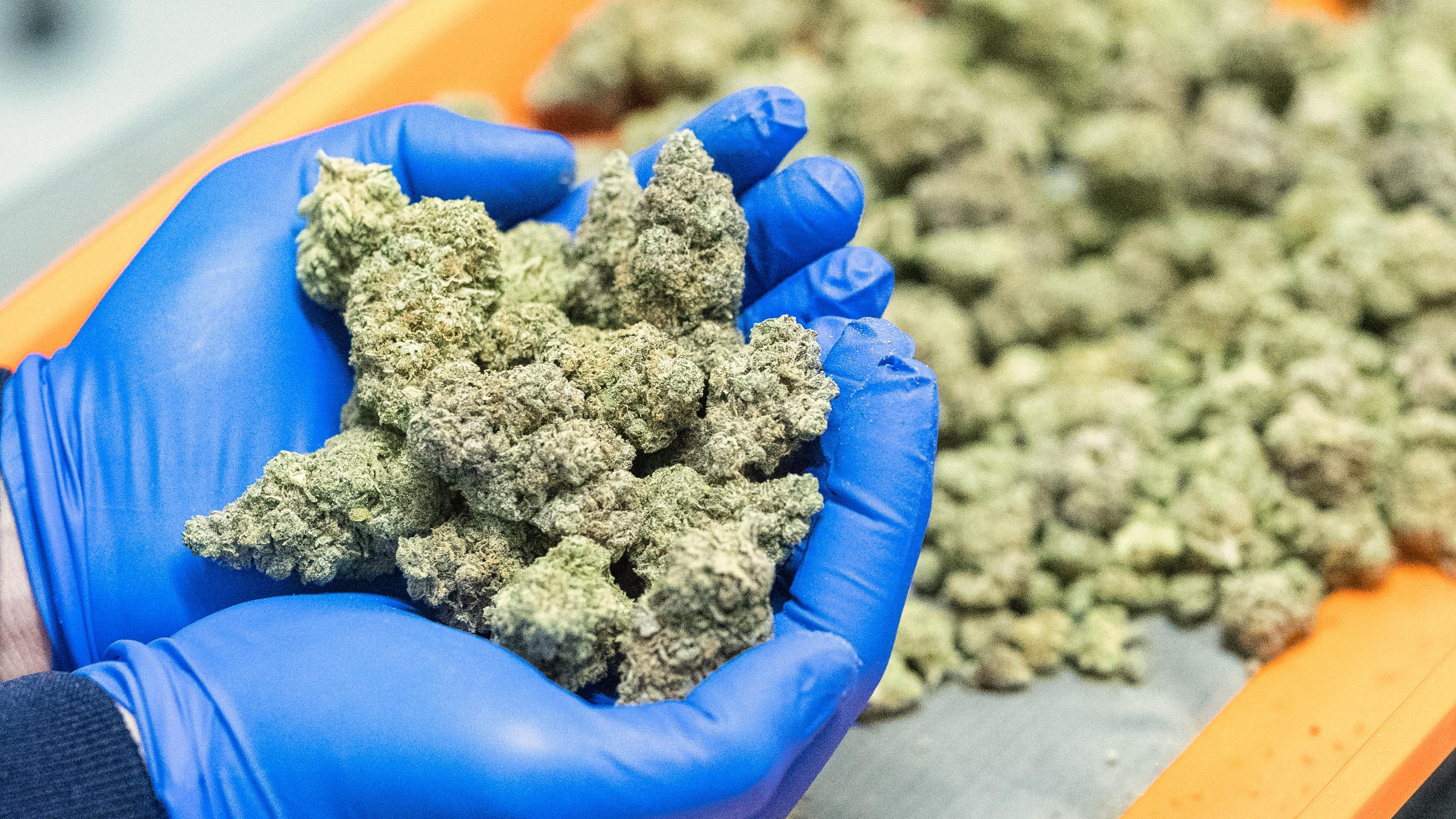
President Donald Trump's decision to reclassify state-licensed medical marijuana as a less dangerous drug represents one of the most significant shifts in federal drug policy in decades — and the implications reach far beyond Washington politics.
The reclassification moves medical marijuana to a less restrictive category under federal law, a change that experts say will deliver enormous benefits to the industry and potentially accelerate research into the drug's therapeutic effects. Here's what you need to know about what's changing and what it means.
Related
Health & Wellness Essentials on AmazonSmall changes in your daily routine can make a big difference in how you feel.
First, the tax impact is substantial. Under current federal tax law, marijuana businesses — even those operating legally under state law — have been subject to a provision known as Section 280E, which prevents them from taking standard business deductions. This has effectively taxed legal cannabis operations at rates far higher than any other industry. Reclassification could open the door to eliminating this burden, dramatically improving the financial viability of medical marijuana producers and potentially lowering costs for patients.
Second, the research implications are significant. Marijuana's current classification has made it extraordinarily difficult for researchers to study its effects, requiring approvals and security measures that have effectively stalled meaningful clinical research for years. A lower classification would ease many of these barriers, potentially opening the floodgates for studies that could finally provide definitive answers about marijuana's medical benefits and risks.
Third, the regulatory landscape will shift. While the change doesn't fully legalize marijuana at the federal level, it signals a meaningful departure from the punitive approach that has defined federal policy for generations. States with medical marijuana programs will operate under less legal uncertainty, and the conflict between state and federal law — while not entirely resolved — becomes less acute.
What This Means For You: If you or someone you know uses medical marijuana, this reclassification could mean lower prices, better product availability, and eventually more scientific research to guide treatment decisions. If you're an investor or entrepreneur, the tax relief for the industry could make cannabis businesses financially viable in ways they haven't been before. And if you've been skeptical of medical marijuana because of the lack of research, this change could finally produce the rigorous studies needed to separate evidence from anecdote.
Originally sourced from TIME
Related Stories
Young Adult Suicide Rate Down 11% Over 2.5 Years of New 988 Mental Health Crisis Hotline
New data shows that the young adult suicide rate has dropped 11% since the launch of the 988 Suicide...
Will Trump\'s reclassifying of medical marijuana have any impact on criminal justice reform?
The Trump administration\'s executive order reclassifying state-licensed medical marijuana from Sched...
Will Trump\'s reclassifying of medical marijuana have any effect on criminal justice reform?
The Trump administration has moved to reclassify state-licensed medical marijuana as a less-dangerou...