Here's What We Know About Security Measures at the White House Correspondents' Association Dinner
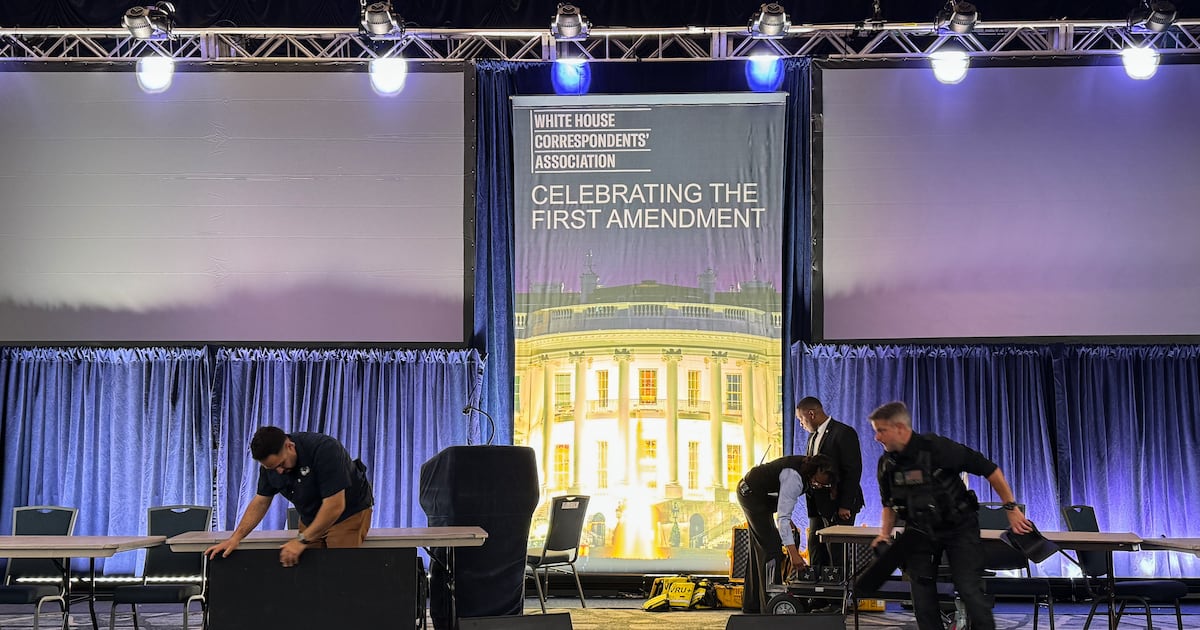
In the wake of the shooting at the White House Correspondents' Association dinner, questions have emerged about how the suspect was able to get close enough to carry out an attack at one of the most heavily secured events in Washington. Officials are now shedding light on the security protocols that were in place — and why they ultimately proved both vulnerable and effective.
According to authorities, the suspect was believed to be a hotel guest at the Washington Hilton, which allowed him to bypass initial security checkpoints. However, additional security measures stopped him before he could reach the main ballroom where President Donald Trump was seated.
Related
Stay Informed: The Best Political Books of 2026Deepen your understanding of the forces shaping American politics.
Washington's interim police chief, Jeffery Carroll, emphasized that the security plan, developed by the Secret Service, functioned as intended. The hotel had a security perimeter established for the event, and guests were required to pass through metal detectors. Once the President was seated, no additional attendees were permitted to enter.
The Washington Hilton has a long history of hosting presidential events, and its security infrastructure has been enhanced over decades. Most notably, it was the site of the 1981 assassination attempt on President Ronald Reagan by John Hinckley Jr. — a moment that fundamentally changed how security is handled at presidential appearances.
Since the Reagan shooting, layers of security have been added to presidential events, including expanded perimeters, magnetometer screenings, and coordination between the Secret Service and local law enforcement. Saturday's incident showed both the strengths and limitations of that system.
What This Means For You: While the security measures ultimately prevented the suspect from reaching the President, the fact that a hotel guest could bypass initial screening highlights an ongoing vulnerability in how public events are secured. Expect renewed debates about security protocols at high-profile gatherings — and potentially tighter restrictions on who can access venues when the President is present.
Originally sourced from The Atlanta Journal-Constitution