Iran's top diplomat returns to Pakistan as Islamabad races to save negotiations with US
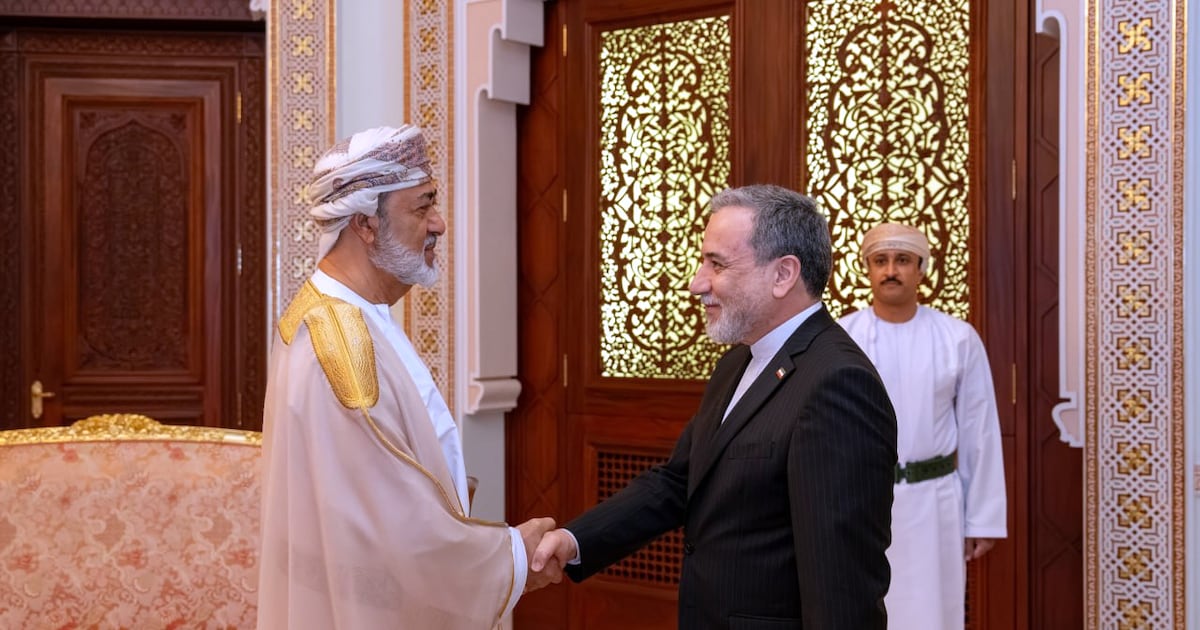
Iran's Foreign Minister Abbas Araghchi has returned to Islamabad for a second round of emergency talks as Pakistan races to salvage negotiations between Iran and the United States amid the escalating regional conflict.
The diplomatic shuttle reflects Pakistan's increasingly central role as an intermediary. Islamabad maintains relationships with both Tehran and Washington, positioning itself as one of the few channels through which backchannel communications can flow. Araghchi's return visit, coming just days after his initial trip, signals that both sides see potential for progress despite public posturing to the contrary.
Related
Stay Informed: The Best Political Books of 2026Deepen your understanding of the forces shaping American politics.
The stakes for Pakistan are personal. The country shares a 900-kilometer border with Iran and has experienced cross-border attacks from Baloch separatist groups operating in both countries. A wider conflict could destabilize Pakistan's already fragile western provinces and disrupt the China-Pakistan Economic Corridor, a $62 billion infrastructure project that passes through Balochistan.
Pakistani officials have conveyed Iranian conditions for a ceasefire to U.S. negotiators, though the specific terms remain confidential. Sources familiar with the talks suggest Iran is seeking guarantees against further military strikes and a timeline for sanctions relief, while the U.S. wants verifiable commitments to stop mining the Strait of Hormuz and cease support for proxy attacks.
The negotiations are complicated by Iran's internal politics. Supreme Leader Ayatollah Khamenei has publicly rejected direct talks with the United States, while President Masoud Pezeshkian has privately signaled willingness to negotiate. Araghchi appears to be navigating between these positions.
Meanwhile, the U.S. has dispatched envoys Steve Witkoff and Jared Kushner to Islamabad, a move that has drawn criticism from Democrats who question Kushner's qualifications and from foreign policy veterans who worry about the optics of using a family member of the president's son-in-law as a diplomat.
**What This Means For You:** The Pakistan-mediated talks represent the most realistic path to de-escalation, but progress will be slow and fragile. Oil markets are pricing in a prolonged standoff — expect continued volatility at the pump. If you have investments in shipping, energy, or Middle East-exposed equities, watch for signals from Islamabad rather than Tehran or Washington, as the real diplomacy is happening there.
Originally sourced from The Atlanta Journal-Constitution
Related Stories
Woman, Her 5 Children Released From Longest ICE Detention of a Family Under Trump
A woman and her five children have been released from Immigration and Customs Enforcement custody af...
Wildfires Abound in US Southeast, Georgia Suffers Record Property Losses
Wildfires are tearing through the US Southeast at an alarming pace, with Georgia hit especially hard...
Why fighting federal-benefit fraud must top the Republican agenda
Expect the fight against fraud to dominate the Republican agenda in Congress and on the campaign tra...