The Legal Way: White House Now Weighing The Defense Production Act To Save Spirit Airlines
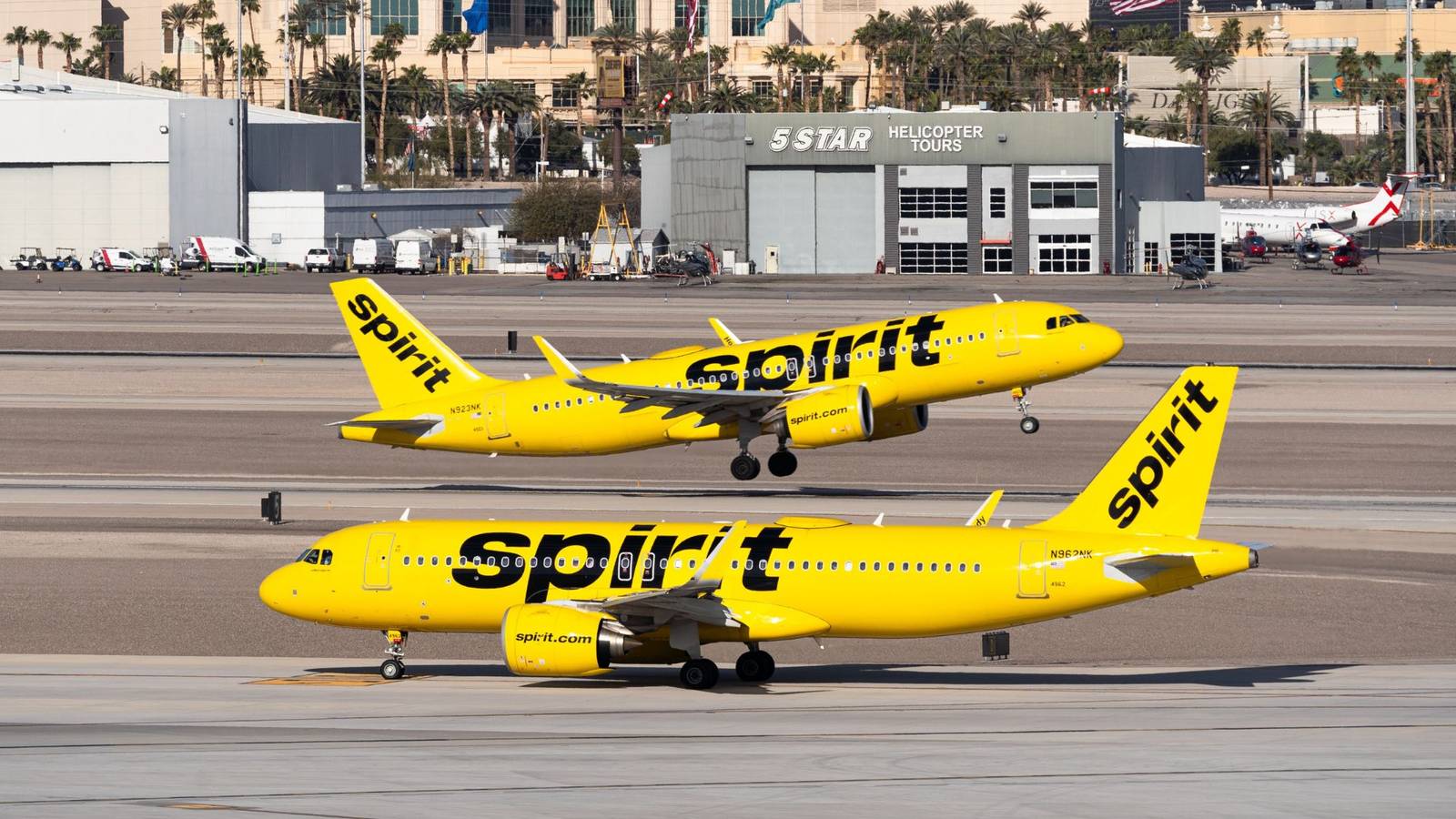
The White House is reportedly weighing an extraordinary step: invoking the Defense Production Act to intervene in the fate of Spirit Airlines, the budget carrier that has been teetering on the edge of collapse. The move would mark one of the most unusual applications of the Cold War-era law, which grants the president broad authority to prioritize industrial production for national defense.
The Defense Production Act has been invoked before for critical supply chains — most recently during the COVID-19 pandemic to boost manufacturing of medical supplies and ventilators. But using it to prop up a commercial airline would chart new legal and political territory.
Related
Stay Informed: The Best Political Books of 2026Deepen your understanding of the forces shaping American politics.
Spirit Airlines has been in financial distress for months, struggling with debt, failed merger attempts, and a competitive landscape that has squeezed ultra-low-cost carriers. The potential loss of Spirit raises concerns about the concentration of the U.S. airline industry into fewer hands, which could reduce competition and drive up fares, particularly in smaller cities and routes that only budget carriers serve.
The argument for DPA intervention would likely center on maintaining adequate domestic air transportation capacity as a matter of national readiness. Opponents are expected to push back, arguing that the law was never intended to bail out a single commercial airline and that market forces should determine which carriers survive.
The debate cuts to the heart of a broader question about how far the government should go to stabilize key industries. If Spirit fails, dozens of smaller airports could lose service entirely, leaving communities cut off from affordable air travel.
What This Means For You: If Spirit Airlines disappears, budget-friendly routes — especially to smaller cities — could vanish, and fares on remaining carriers could rise. The White House's potential intervention signals that your access to affordable air travel is now being treated as a national concern, not just a corporate problem. Keep an eye on this one: it could reshape how you fly.
Originally sourced from Simple Flying