U.S. Air Force, Navy plan to boost F-35 fleet after record budget
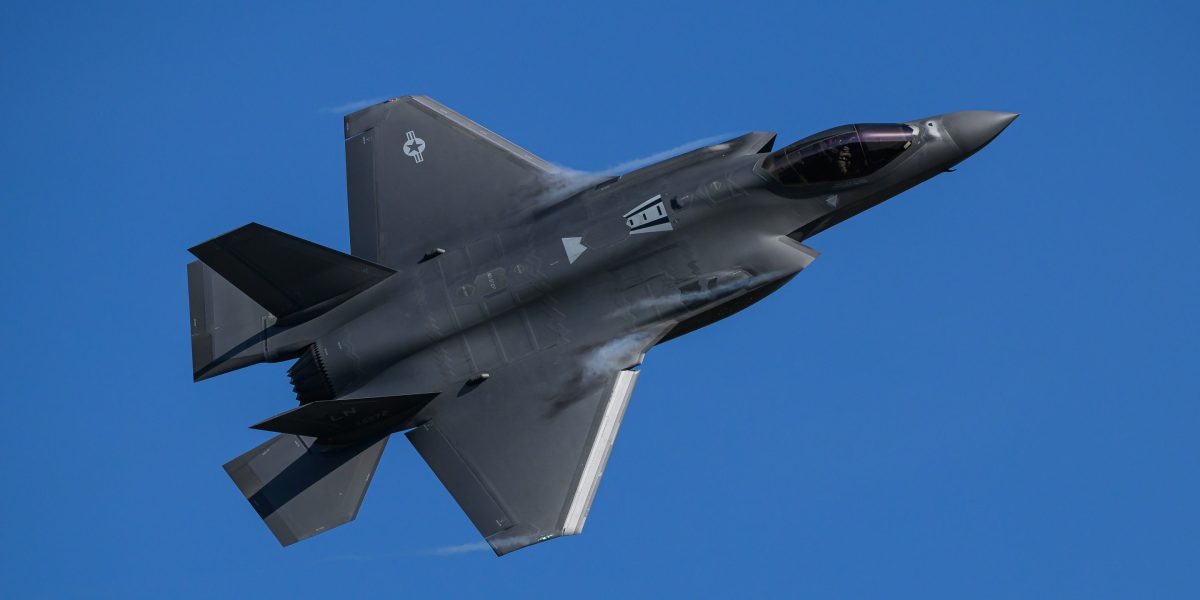
The U.S. Air Force and Navy are planning to significantly increase F-35 Joint Strike Fighter purchases in the upcoming fiscal year, with the total number of requested aircraft rising to 85 jets from the 47 that Congress approved for the current year — a procurement acceleration that would represent a major win for Lockheed Martin and a substantial shift in the Pentagon's fighter procurement strategy.
The proposed increase comes on the heels of a record defense budget and reflects the military's assessment that the F-35, despite years of cost overruns and technical challenges, has matured into a reliable and capable platform that the services can no longer afford to procure at a slower pace. The F-35's production costs have declined steadily over the past five years, with the F-35A variant now priced below $80 million per unit — comparable to fourth-generation fighters that lack the F-35's stealth, sensor fusion, and network connectivity capabilities.
Related
Stay Informed: The Best Political Books of 2026Deepen your understanding of the forces shaping American politics.
The procurement plan breaks down across the three variants. The Air Force F-35A is the largest component, reflecting the service's need to replace aging F-16s and A-10s while maintaining its fleet of fifth-generation aircraft. The Navy and Marine Corps F-35C and F-35B variants account for the remainder, with the Marine Corps particularly reliant on the STOVL variant for amphibious assault ship operations.
The strategic rationale is straightforward: the F-35 is the only fifth-generation fighter in production for the U.S. military, and China's J-20 and J-35 programs are producing stealth fighters at an accelerating rate. Maintaining a qualitative advantage in air superiority requires both technology and numbers, and the current F-35 fleet is not large enough to sustain the operational tempo required by the national defense strategy, particularly in a potential Pacific theater scenario.
The budget implications are significant. 85 aircraft at approximately $80-110 million per unit (depending on variant) represents a procurement cost of roughly $7-9 billion, with lifetime sustainment costs that will multiply that figure several times over. The F-35 program already accounts for the single largest line item in the Pentagon's procurement budget, and this acceleration will increase that share.
What This Means For You: If you follow defense stocks, this is a clear positive signal for Lockheed Martin and the F-35 supply chain — including engine manufacturer Pratt & Whitney (RTX), radar supplier Northrop Grumman, and dozens of subcontractors. If you're watching the federal budget, this procurement increase is a preview of the sustained defense spending trajectory that the current strategic environment is producing. If you're a taxpayer, the F-35 program's total lifecycle cost is now projected to exceed $1.7 trillion — making it the most expensive weapons system in history. The question isn't whether the jet works (it does), it's whether the nation can sustain the financial commitment required to keep the fleet flying for the next 40 years.
Originally sourced from Fortune
Related Stories
Woman, Her 5 Children Released From Longest ICE Detention of a Family Under Trump
A woman and her five children have been released from Immigration and Customs Enforcement custody af...
Wildfires Abound in US Southeast, Georgia Suffers Record Property Losses
Wildfires are tearing through the US Southeast at an alarming pace, with Georgia hit especially hard...
Why fighting federal-benefit fraud must top the Republican agenda
The fight against federal benefit fraud is poised to dominate the Republican agenda in Congress and ...