Cowboys Targeted Pro Bowl LB Before Trading for Dee Winters
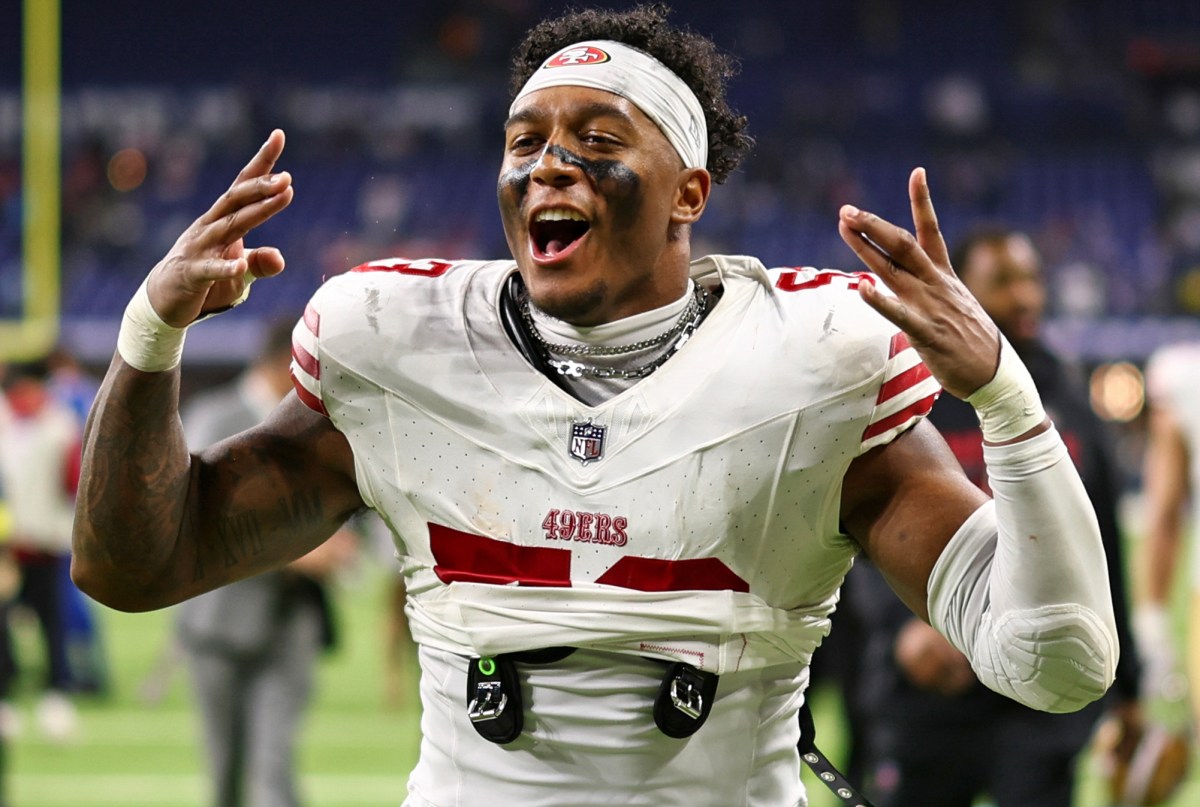
The Dallas Cowboys targeted a Pro Bowl linebacker before ultimately trading for Dee Winters, according to multiple sources familiar with the team's draft-weekend maneuvers — a detail that reveals just how aggressively the Cowboys were pursuing defensive upgrades.
The pursuit of an established linebacker signals that Dallas recognized its biggest roster vulnerability heading into 2026. The Cowboys' defense struggled against the run last season, and the linebacker position lacked both depth and playmaking ability. While Winters doesn't carry the Pro Bowl pedigree of the initially targeted player, he brings speed and coverage ability that fit defensive coordinator Mike Zimmer's scheme.
Related
Gear Up: Top Sports Equipment & ApparelThe right gear makes a difference — on the field and in the stands.
Winters, a former TCU standout, showed flashes of starting-caliber play in limited action last season. His coverage skills are legitimate — he can run with tight ends and running backs out of the backfield, a capability that's increasingly valuable in a league where offensive coordinators target linebackers in space.
The decision to trade for Winters rather than continue pursuing the higher-profile target also reflects the Cowboys' complicated cap situation. With major extensions looming for several core players, adding salary through a Pro Bowl acquisition would have created longer-term financial strain.
The move is consistent with Dallas's recent approach: targeted additions that address specific scheme fits rather than splash signings. Whether Winters can deliver on the opportunity will determine if this was a savvy value play or another instance of the Cowboys settling for less than they needed.
**What This Means For You:** The Cowboys' approach is a lesson in constraint-based decision-making. They had a clear need, identified multiple solutions at different price points, and chose the one that fit their overall financial picture. That's how good organizations operate — whether they're building a football roster or a business. The best option isn't always the most expensive one; it's the one that fits the system and the budget.
Sports & Culture Reporter
Originally sourced from Newsweek
Related Stories
Brian Kelly Tabs Fernando Mendoza as Top NFL QB Prospect in 2026 Draft
As the 2026 NFL Draft unfolds, one of the more interesting voices weighing in on this year...
Yankees Promote Top Prospect George Lombard Jr. to Triple-A Scranton
Lombard, drafted 26th overall by the Yankees in 2023, is considered the 27th-best prospect in baseba...
Yankees Provide Encouraging Update On Aaron Judge and Ben Rice
Taking to the MLB team...