Terry Rozier accepted $100K bribe in sports betting scheme, feds say
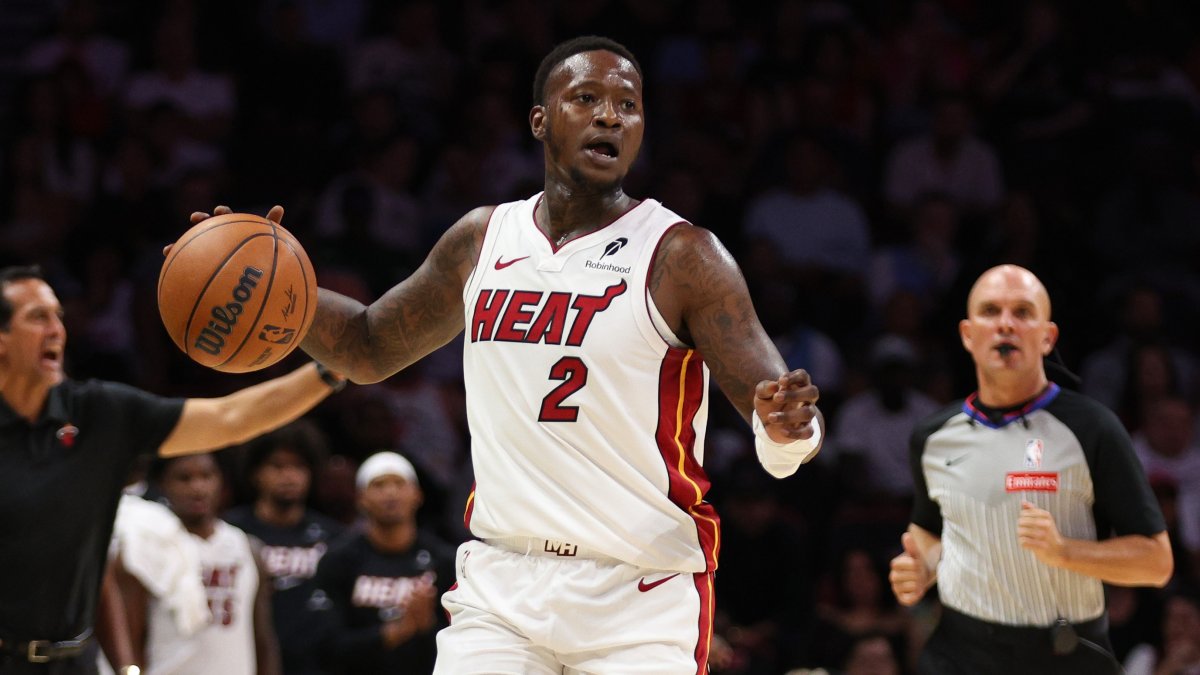
Former NBA guard Terry Rozier has been hit with new federal charges in an expanding sports betting scandal that has now ensnared over 30 people, including members of four major Mafia crime families, an NBA head coach, and multiple former players. The superseding indictment, returned by a federal grand jury in Brooklyn on Thursday, charges Rozier with sports bribery and honest services wire fraud conspiracy — adding to the existing conspiracy and money laundering charges he already faces.
At the center of the new allegations is a $100,000 bribe. Federal prosecutors say Rozier solicited and accepted the payment in exchange for tipping off a group of bettors about his plan to exit a March 2023 game early while playing for the Charlotte Hornets, citing an injury. The arrangement was what prosecutors describe as a predetermined bribe — Rozier would withdraw from the game, allowing co-defendants Marves Fairley and De'TNiro Laster to place lucrative wagers on his underperformance.
The scheme didn't go entirely according to plan. Rozier collected four rebounds during the game, performing better than the bettors anticipated. As a result, his bribe was reduced from $100,000 to $70,000 after the game — a detail that reads like dark comedy but underscores how even corrupt schemes are subject to the unpredictability of live sports.
Fairley pleaded guilty to two counts in the NBA gambling case on Thursday, admitting in court that he paid a player to change their game performance to give him an advantage. Assistant U.S. Attorney David Berman identified the player as Rozier during the hearing. Fairley's attorney, Eric Siegle, said his client took full responsibility and deeply regrets his conduct.
The case against Rozier is part of two sprawling illegal gambling operations that together generated over $10 million in ill-gotten gains, according to the Justice Department. The first involves the rigging of Mafia-backed poker games. The second centers on the use of nonpublic information to place fraudulent bets on several NBA games. Over 30 people have been charged, including Portland Trail Blazers head coach Chauncey Billups — who has maintained his innocence — and ex-NBA player Damon Jones, who pleaded guilty last month to feeding inside information to bettors, orchestrating fixed poker games, and serving as a face card to attract high-end gamblers. He is scheduled to be sentenced next year.
Rozier's legal team is pushing back. His attorney, Jim Trusty, called the superseding indictment an effort to make something stick and reiterated their motion to dismiss, citing a recent U.S. Supreme Court ruling that found depriving a party of information does not meet the threshold for federal fraud. Whether that argument holds remains to be seen, but the new charges — bribery and honest services fraud — represent a different legal theory than the original wire fraud and money laundering counts, suggesting prosecutors are building a wider net.
The broader implications for the NBA are significant. The league has spent years building partnerships with legal sports betting operators, promoting the integrity of the game while simultaneously cashing in on the gambling boom. Every scandal like this chips away at that foundation. Fans need to believe that what they're watching is genuine competition, not a performance scripted by people with money on the outcome. The Rozier case doesn't just damage one player's reputation — it raises questions about what else might be happening that hasn't been uncovered yet.
What This Means For You: If you bet on NBA games — and millions of Americans now do — this case is a reminder that the information asymmetry you're up against isn't just about analytics and injury reports. It's also about inside information being sold to bettors, players potentially altering their performance, and organized crime operating at the intersection of sports and gambling. The safeguards that legal sportsbooks and the NBA have put in place — monitoring lines, tracking unusual betting patterns — caught this scheme, but the question of how many others go undetected is impossible to answer. For casual fans, it's a reason to treat sports betting as entertainment, not investment. The house already has an edge. Sometimes that edge is a player who's already been paid off.
Sports & Culture Reporter
Originally sourced from NBC10 Boston
Related Stories
Brian Kelly Tabs Fernando Mendoza as Top NFL QB Prospect in 2026 Draft
As the 2026 NFL Draft unfolds, one of the more interesting voices weighing in on this year...
Yankees Promote Top Prospect George Lombard Jr. to Triple-A Scranton
Lombard, drafted 26th overall by the Yankees in 2023, is considered the 27th-best prospect in baseba...
Yankees Provide Encouraging Update On Aaron Judge and Ben Rice
Taking to the MLB team...