Anthropic's Mythos AI found 2,000 vulnerabilities but won't be released
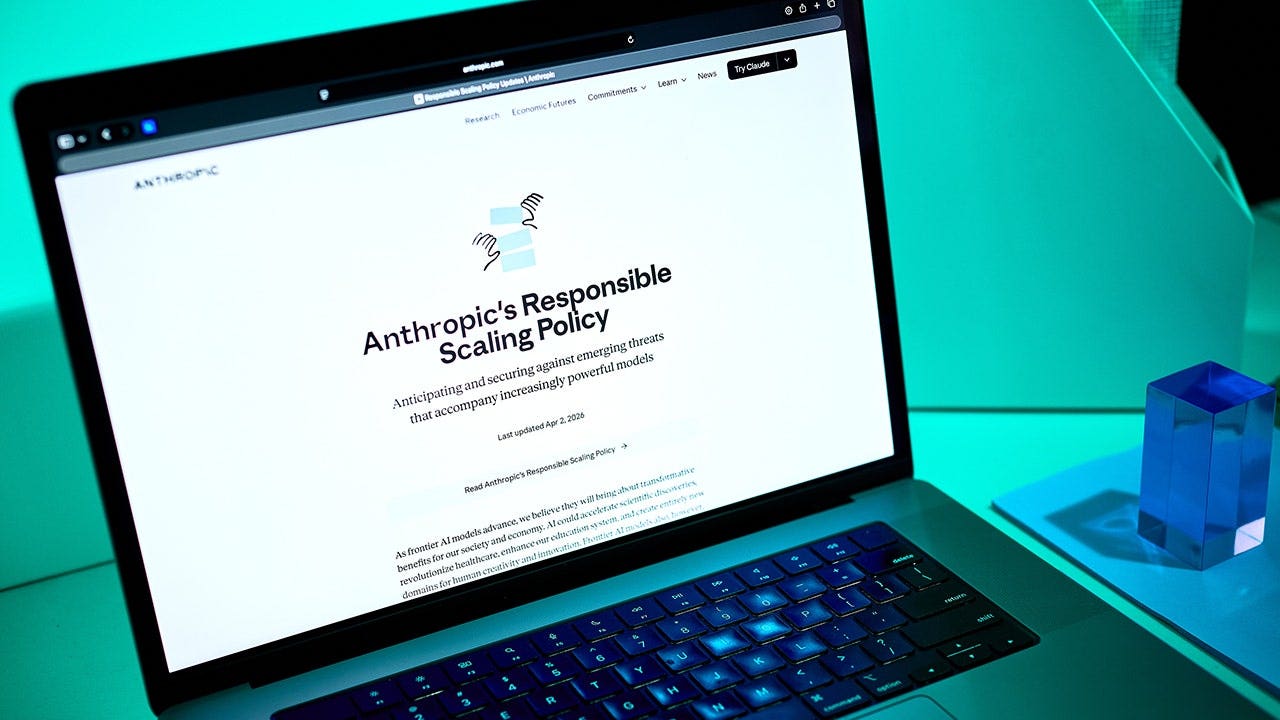
Anthropic built an AI model called Mythos that discovered over 2,000 previously unknown software vulnerabilities in just seven weeks — and then decided not to release it.
The disclosure, made through Anthropic's safety research publications, describes Mythos as an AI system specifically designed to identify security vulnerabilities in software code at scale. The model was tested against a range of open-source repositories and enterprise codebases, where it found thousands of bugs that existing static analysis tools and human auditors had missed. The vulnerabilities ranged from common injection flaws to complex logic errors that required deep contextual understanding of the code.
Related
Top Tech Deals on AmazonStay ahead of the curve with the latest technology at the best prices.
The decision not to release Mythos — or even the specific vulnerabilities it found — highlights a tension at the core of AI safety that the industry has been reluctant to confront directly. The same capability that makes Mythos valuable for defense (finding bugs so they can be fixed) makes it valuable for offense (finding bugs so they can be exploited). Anthropic's assessment was that the marginal benefit of releasing the model — enabling faster patching — was outweighed by the risk of bad actors using it to discover and weaponize vulnerabilities before they could be fixed.
The calculation is not unreasonable. A tool that can systematically scan software for vulnerabilities at the speed and scale that Mythos demonstrated would be extraordinarily valuable to both security researchers and attackers. The difference is that security researchers report vulnerabilities to vendors; attackers hoard them for exploitation. Releasing Mythos would give both groups equal access, and the attackers are typically faster to operationalize new capabilities than defenders are to patch them.
The broader implication is that AI safety is not just about preventing models from generating harmful content. It's also about restricting capabilities that could be dual-use — powerful in the right hands and dangerous in the wrong ones. Every major AI company will face versions of this decision as their models become more capable. The question is whether Anthropic's restraint becomes the industry standard or whether a competitor decides that the commercial and reputational benefits of releasing such a tool outweigh the risks.
What This Means For You: Anthropic just demonstrated that AI can find software vulnerabilities faster and at greater scale than humans — and then showed that the responsible thing to do is not to release that capability. If you work in cybersecurity, this validates what you've suspected: AI-powered vulnerability discovery is here, and the race is between defenders who want to use it to secure code and attackers who want to use it to break in. If you're a developer, assume that someone will eventually build and deploy a Mythos-like tool. The best defense is writing secure code now, not hoping that the people who find your bugs are the good guys.
Related Stories
Work Moved Into the Browser. Security Didn\'t. AI Is Exposing the Gap
User-initiated shell ran via HTTPS CAPTCHA at 2:14 p.m. Tuesday, exposing browser blind spot and bre...
Will an \'AI Bill\' Bomb Explode? KRAFTON Warns Against Indiscriminate Tech Adoption
A senior KRAFTON official has shared his perspective on the...
Will AI Adoption Actually Pay Off?
Why a BlackRock portfolio manager says productivity gains don\u2019t automatically translate into pr...