Can Google Gemini edit my photos better than me? I put it to the test to find out
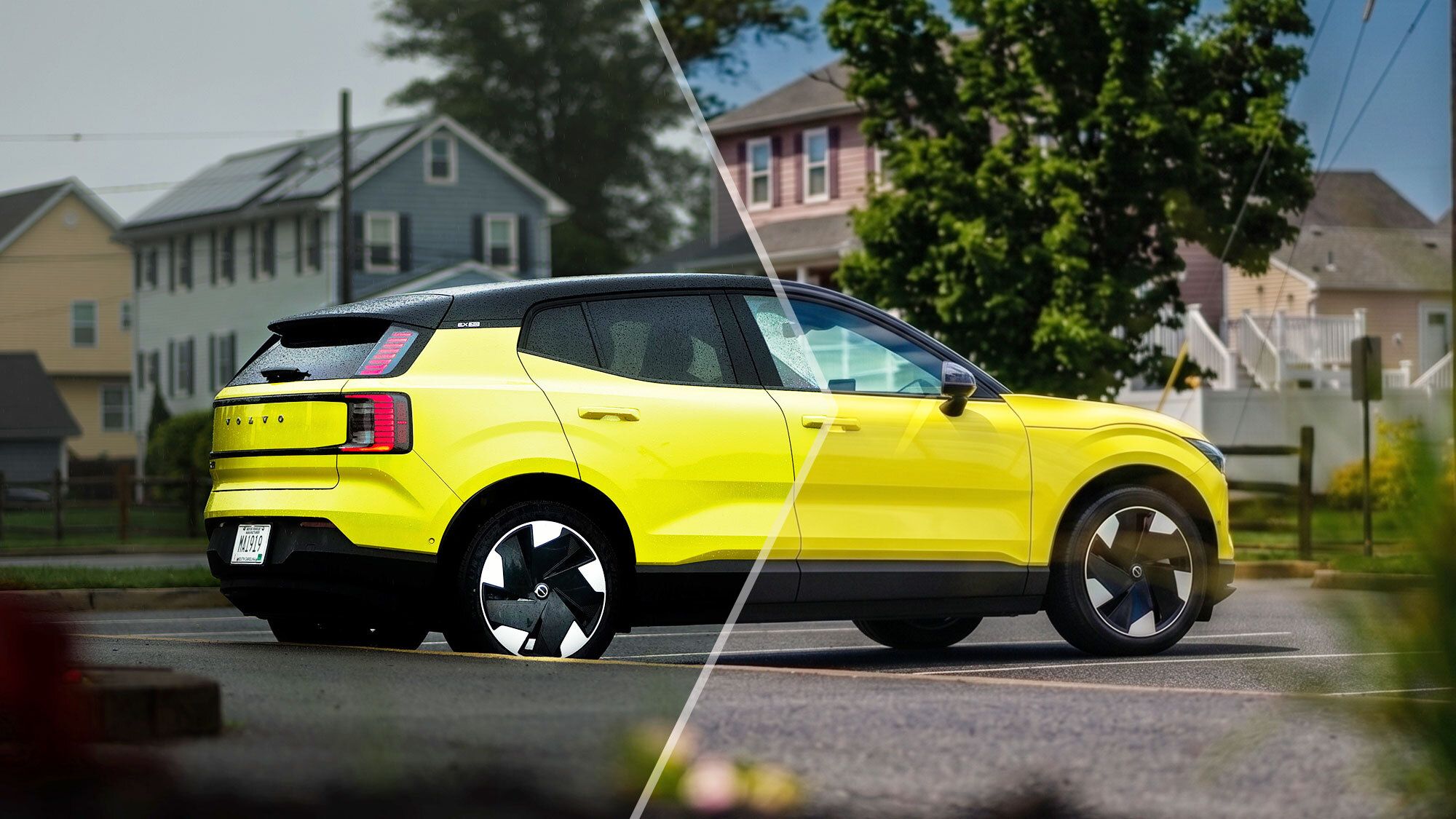
Google Gemini's photo editing capabilities have taken a significant leap forward, and one tech writer decided to find out whether AI can now outperform a human editor at crafting the perfect image. The results reveal both the promise and the limitations of AI-assisted photo editing.
The test pitted Gemini's editing tools against a human editor's manual adjustments across a variety of photo types — portraits, landscapes, low-light shots, and product images. The AI was given natural language prompts describing the desired edits, while the human editor used traditional tools like Lightroom to make their adjustments.
Related
Top Tech Deals on AmazonStay ahead of the curve with the latest technology at the best prices.
Gemini performed impressively on routine adjustments: exposure correction, white balance, basic color grading, and noise reduction. These are tasks that follow well-established photographic principles, and AI models trained on millions of images can execute them consistently and quickly. For users who don't have editing experience, Gemini's ability to improve a photo with a simple text prompt is genuinely useful.
However, the AI struggled with subjective aesthetic choices. When the goal was a specific mood, film-like grain, or artistic color palette, Gemini tended toward safe, technically correct edits that lacked the creative intent behind the prompt. The human editor consistently produced images that better matched the desired aesthetic — because they understood the nuance behind instructions like "make it feel like a faded Polaroid" or "give it a moody, cinematic look."
The broader takeaway is that AI photo editing is evolving from a novelty into a practical tool. For quick fixes and standard improvements, Gemini is already good enough for most casual users. For professional work or intentional artistic expression, human judgment still matters.
What This Means For You: If you're not a photo editing expert, Gemini's AI editing can meaningfully improve your photos with zero technical skill required — just describe what you want. But if you're a professional photographer or serious hobbyist, don't retire your editing software just yet. The best workflow may be combining AI for quick corrections with human oversight for creative decisions. Either way, the gap between AI and human editing is narrowing, and your phone's editing capabilities are about to get a serious upgrade.
Originally sourced from Tom's Guide