Scientists Develop AI-Powered Protein Platform to Speed Rare-Earth Separation
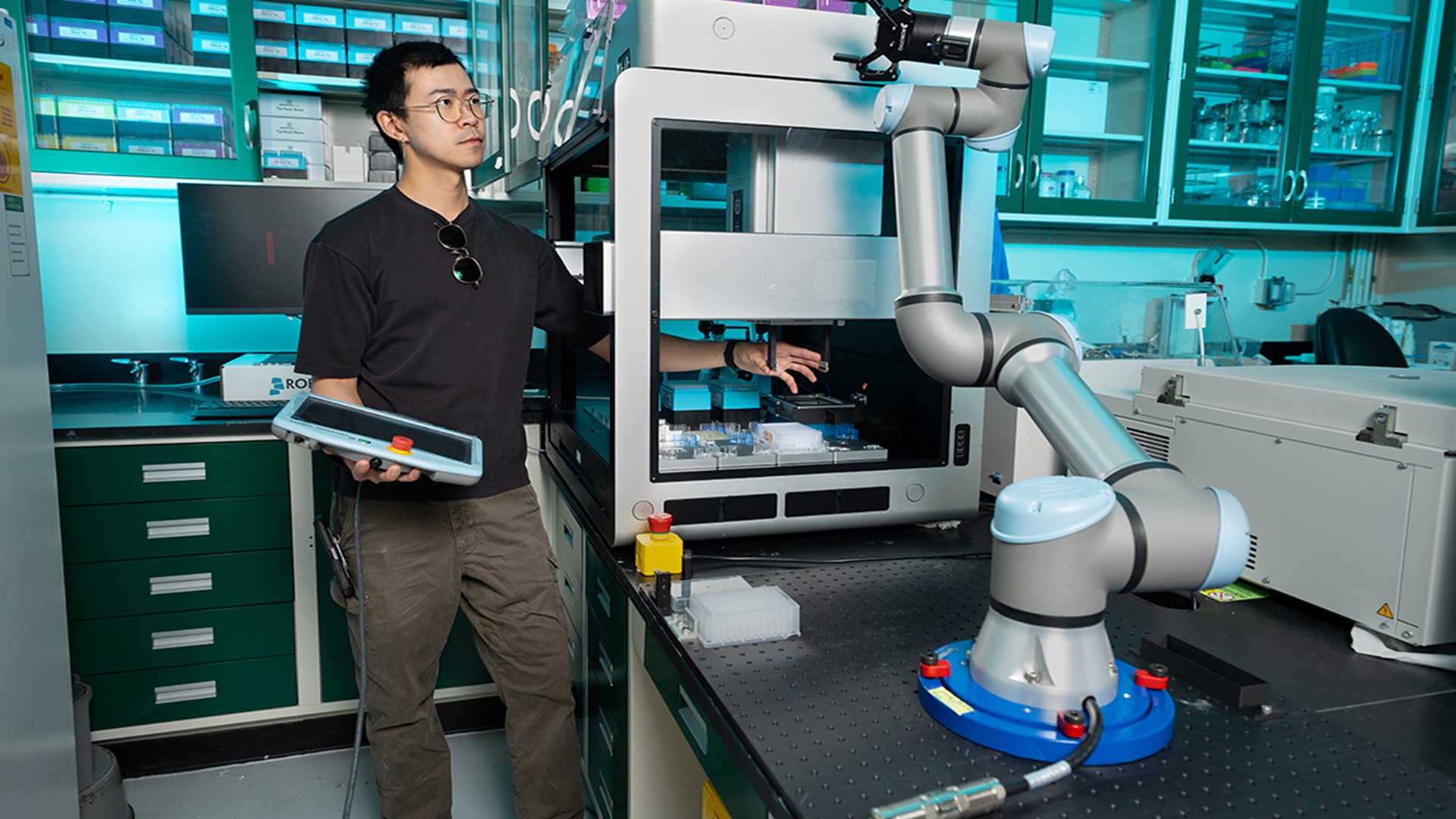
Scientists at Lawrence Livermore National Laboratory have developed a new protein screening platform called SpyCI-LAMBS that uses a combination of bacteria and artificial intelligence to dramatically accelerate the separation of rare-earth elements. The platform represents a potential breakthrough in one of the mining industry's most persistent challenges.
Rare-earth elements are critical components in modern technology, from smartphones and electric vehicles to military hardware and renewable energy systems. Despite their name, rare earths are relatively abundant in the Earth's crust, but they are notoriously difficult to separate from one another due to their similar chemical properties. Current separation processes are slow, expensive, and environmentally taxing, relying heavily on chemical solvents and generating significant waste.
Related
Top Tech Deals on AmazonStay ahead of the curve with the latest technology at the best prices.
The SpyCI-LAMBS platform takes a biological approach, using engineered bacteria that produce proteins capable of selectively binding to specific rare-earth elements. AI algorithms then screen and optimize these proteins for maximum selectivity and efficiency, dramatically reducing the time needed to identify the best candidates for separating particular elements.
If the technology scales successfully, it could lower the cost and environmental impact of rare-earth processing, making domestic production more viable and reducing dependence on foreign supply chains. The United States currently imports the majority of its rare-earth materials, creating strategic vulnerabilities in sectors that depend on these elements.
What This Means For You: Rare-earth elements are in nearly every electronic device you own, and the supply chain for these materials affects the cost and availability of everything from phones to cars. A breakthrough in separation technology could eventually mean cheaper electronics, more competitive U.S. manufacturing, and a reduced reliance on imported rare earths. While this technology is still in the lab stage, its success could reshape industries that touch your daily life in ways you might not realize.
Originally sourced from Interesting Engineering
Related Stories
Will an \'AI Bill\' Bomb Explode? KRAFTON Warns Against Indiscriminate Tech Adoption
A senior KRAFTON official has shared his perspective on the \'AI token\' cost issue, which has emerged...
Why Oracle\'s AI Spending Spree Has Wall Street On Edge
Oracle\'s aggressive spending on AI infrastructure has Wall Street analysts increasingly on edge, rai...
What's next for UnitedHealth Group after Q1 earnings beat and guidance raise
UnitedHealth Group delivered a strong first quarter, with shares surging 7% after better-than-expect...