Google's AI Agent Platform Takes Pole Position, But Work Remains
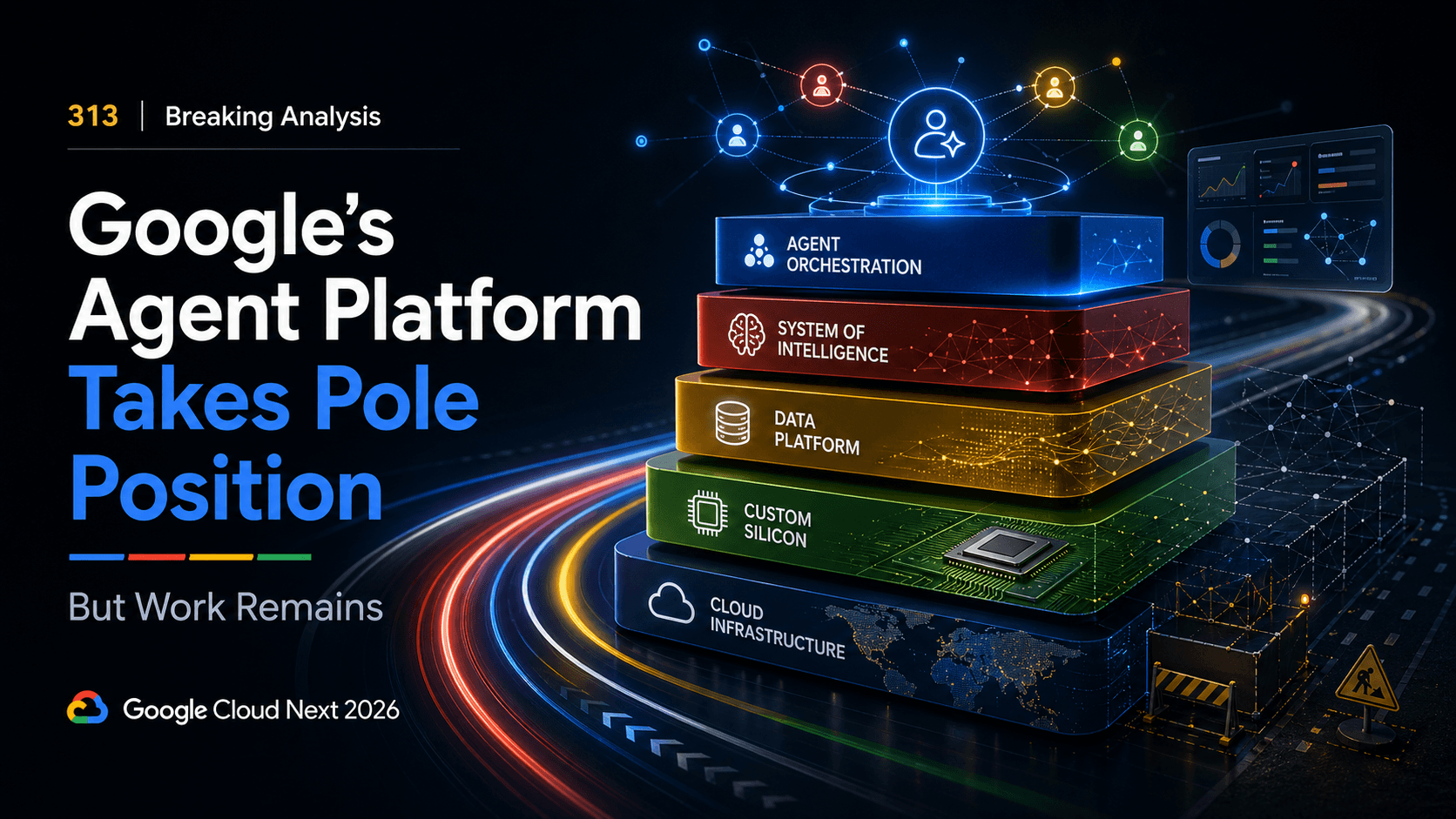
Google has positioned its AI agent platform as the early leader in the emerging race to build autonomous AI systems that can take action on behalf of users, though analysts note that significant challenges remain before the technology can be considered truly mature.
The platform, which leverages Google's deep infrastructure and ecosystem advantages, has drawn attention for its breadth of capabilities. With access to Search, Gmail, Google Workspace, and the broader Android ecosystem, Google's agent framework has a wider range of tools at its disposal than most competitors — a key advantage when the goal is enabling AI to actually do things, not just talk about them.
Related
Top Tech Deals on AmazonStay ahead of the curve with the latest technology at the best prices.
However, having the most tools doesn't automatically translate to having the best agents. The analysis from SiliconANGLE highlights that while Google's platform currently leads in terms of integration depth and available connectors, the actual performance of AI agents in complex, multi-step tasks remains inconsistent. Agents still struggle with ambiguity, unexpected edge cases, and tasks that require nuanced judgment — the very areas where human oversight remains essential.
The competitive landscape is evolving rapidly. Smaller companies are focusing on vertical-specific agents that perform reliably in narrow domains, while the major players are racing to build general-purpose platforms. Google's bet is that its ecosystem breadth will prove decisive, but that advantage only matters if the agents themselves work reliably.
There are also open questions about trust, privacy, and accountability. Giving an AI agent access to your email, calendar, and financial tools is convenient, but it requires a level of confidence that the technology has not yet fully earned.
What This Means For You: Google's lead in the AI agent space means you'll likely encounter their tools first if you're looking to automate tasks. But early lead doesn't mean best in class — test these tools carefully before trusting them with important workflows. The promise of AI agents that can manage your inbox, book travel, or handle research is compelling, but we're still in the early innings. Use them as assistants, not replacements, and always review what they've done before hitting send or confirm.
Originally sourced from SiliconANGLE News