Parents Are Fighting To Opt Kids Out Of Using Screens In Schools
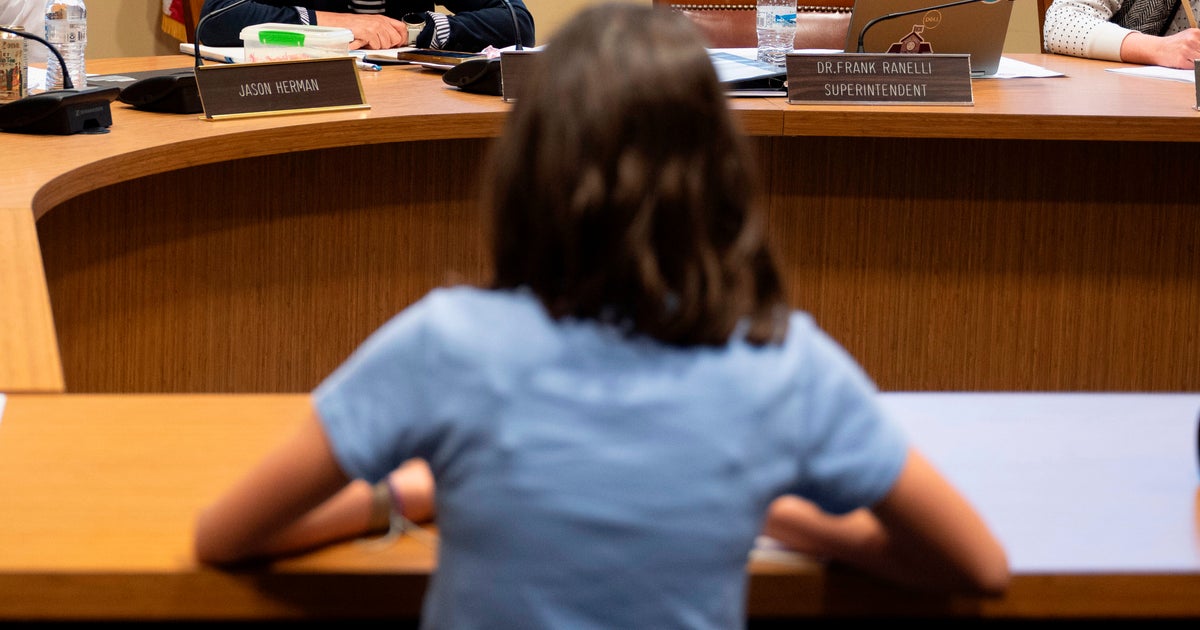
A growing movement of parents across the United States is pushing back against the infiltration of screens into classrooms, demanding the right to opt their children out of technology-heavy curricula and raising fundamental questions about whether the digitization of education has gone too far too fast.
The backlash is not coming from anti-technology luddites. Many of the parents leading these efforts work in the tech industry themselves and understand better than most what screens do to attention spans, developing brains, and social development. Their argument is not that technology has no place in education, but that the current approach, which often replaces teachers, textbooks, and handwriting with tablets, apps, and adaptive learning software, is driven by vendor contracts and administrative convenience rather than evidence of educational benefit.
The scale of screen use in American classrooms has grown dramatically. A 2025 survey by the National Center for Education Statistics found that the average K-12 student now spends over four hours per school day looking at a screen, a figure that has more than doubled since 2019. Much of this increase was driven by pandemic-era remote learning, but the screens did not go away when students returned to classrooms. Instead, school districts that had invested heavily in Chromebooks and iPads during COVID found themselves locked into multi-year device contracts and software subscriptions that incentivized continued use.
The research on screen-based learning for young children is increasingly concerning. Multiple studies have documented that reading comprehension is significantly better from physical books than screens, particularly for elementary school students. The tactile experience of writing by hand activates neural pathways involved in learning and memory that typing does not. A 2024 study from the Norwegian University of Science and Technology found that students who took notes by hand consistently outperformed those who typed on laptops, even when the laptop users were instructed not to multitask.
Perhaps more troubling are the behavioral effects. Teachers report that students who spend significant portions of the school day on devices are more restless during non-screen activities, have shorter attention spans, and struggle more with sustained focus. The constant dopamine hits from gamified learning apps, reward animations, and the always-present temptation to navigate away from assigned tasks create a cognitive environment that works against the deep, sustained attention that real learning requires.
The opt-out movement is gaining legal traction. Several states have introduced or passed legislation requiring schools to offer non-digital alternatives when technology is used for instruction. Florida passed a law in 2025 requiring schools to provide paper-based options for assignments and assessments. Texas and California have similar bills under consideration. The American Academy of Pediatrics, which has long recommended limiting screen time for children, has issued statements supporting the right of families to limit school-based screen exposure.
School administrators are caught in a difficult position. Technology mandates often come from state or district level, tied to funding requirements and curriculum standards that assume digital delivery. Teachers who want to reduce screen time may lack the resources or autonomy to do so. And there is a genuine equity argument: for students who do not have access to technology at home, school-based screen time may represent their only opportunity to develop digital literacy skills that are genuinely essential for the modern economy.
The nuance that gets lost in the debate is that not all screen time is equal. A student using a spreadsheet to analyze climate data is having a fundamentally different cognitive experience than a student clicking through a gamified math app that dispenses virtual coins for correct answers. The medium matters, but the pedagogy matters more. The problem is not screens in schools, it is screens replacing pedagogy in schools.
What This Means For You: If you are a parent, you have more power than you may realize to influence how much screen time your child gets at school. Start by asking your child how much of their school day is spent on a device versus with a teacher, a book, or a physical activity. Talk to teachers about whether non-digital alternatives are available. If your school district does not offer an opt-out option, contact your state representative, because legislation is moving quickly on this issue. And at home, the single most impactful thing you can do is protect the hour before sleep from all screens, for your children and for yourself. The research on sleep disruption from blue light and mental stimulation is overwhelming and affects learning capacity more than any single factor in the classroom.
Editorial Team
Originally sourced from HuffPost
Related Stories
YouTube is testing an AI search mode that \'feels more like a conversation\'
A new feature called Ask YouTube will let you pose complex questions and receive...
YouTube is testing an AI-powered search feature that shows guided answers
YouTube is rolling out the new AI search feature to Premium subscribers in the U.S. on an opt-in bas...
Your next iPhone upgrade is going to hurt your wallet, and AI is to blame
Apple...