Samsung's Fridge AI Just Got 20x Smarter — But It Still Labels Bandages as Vegetables
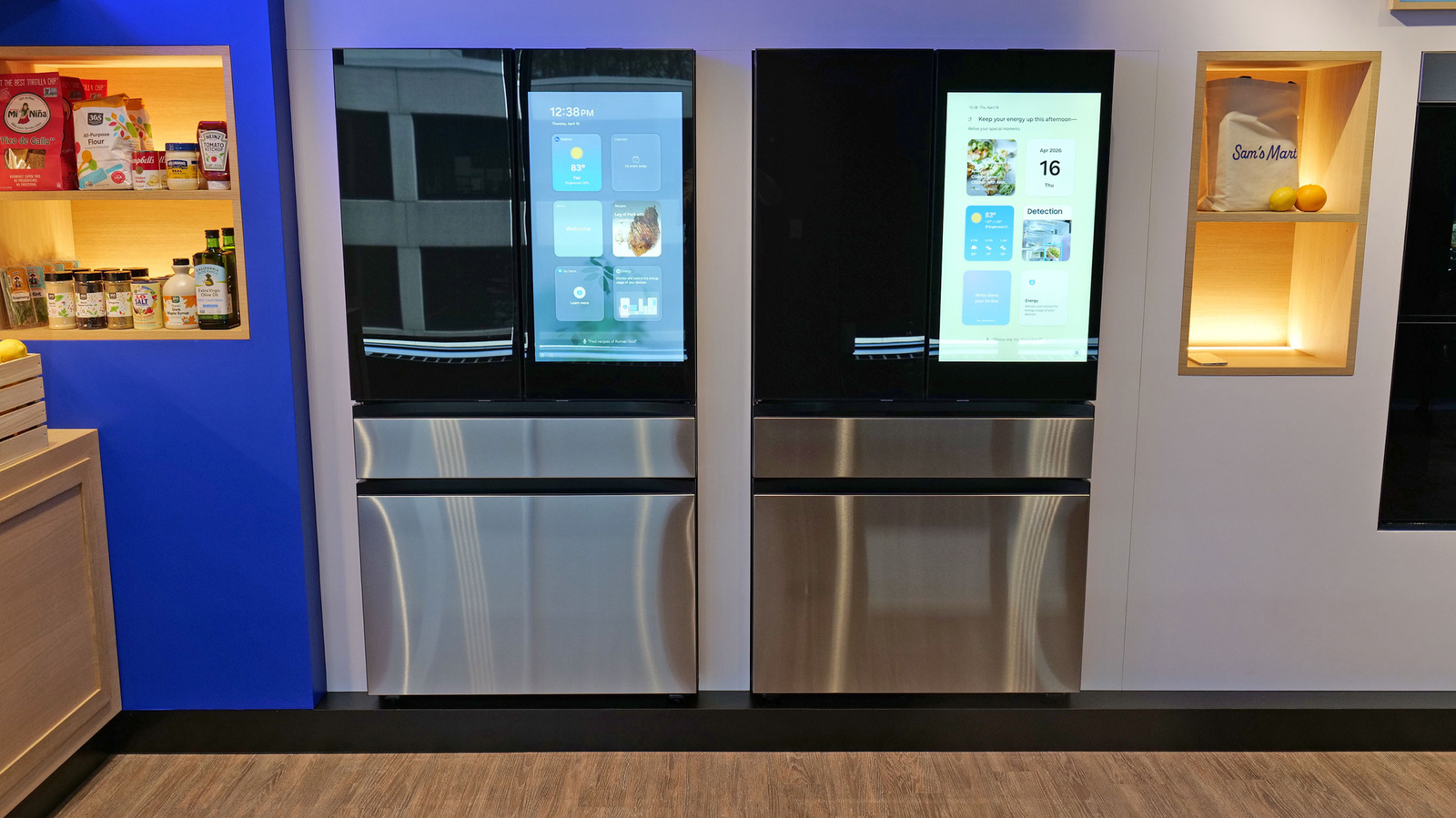
Installing a software update on your refrigerator is one of those sentences that sounds like a joke about the future we've built for ourselves. But here we are. Samsung just rolled out a major AI update to its Bespoke refrigerator line, and after two weeks of testing, the improvement is genuine — even if the technology still has a habit of calling bandages vegetables.
The headline change is the integration of Google Gemini, which supercharges the fridge's food recognition capabilities. Previously, Samsung's AI could identify around 110 items — roughly 60 fresh foods and 50 packaged goods. That was enough to be impressive at a demo and frustrating in daily use. The new cloud-powered system recognizes over 2,000 items, and the difference is immediately noticeable.
In testing, the fridge correctly identified a can of Bull Head Shallot Sauce — a niche Taiwanese condiment that most people outside of Asian cooking circles have never heard of. It distinguished between Diet Coke and Coke Zero while accurately counting multiples of each. It tracked how long avocados had been sitting in the crisper drawer and proactively flagged ones approaching expiration. For anyone who's ever opened their fridge, stared blankly, and wondered what to cook, this level of awareness is genuinely useful.
The system also remembers what you regularly take out and suggests adding those items to your shopping list. It's the kind of low-friction convenience that makes smart features feel smart instead of annoying. You check your phone at the store instead of manually curating a weekly list. The fridge suggests recipes based on what you actually have. These are small things that add up to a meaningfully better kitchen experience.
But the limitations are real, and they're worth talking about honestly.
The AI still hallucinates. In one memorable instance, it photographed a brightly colored bandage on someone's finger and classified it as a vegetable. It sometimes reads the label on a container and calls it done — labeling a tub of plant-based cream cheese as "Philadelphia Plant-based" without understanding that the description was incomplete. It's overconfident in ways that would be more amusing if you weren't trusting it to track what you're eating.
Then there's the Bixby problem. Despite leveraging Google's Gemini models for food recognition and voice commands, Samsung still forces you to interact through Bixby, its underwhelming digital assistant. There's no visible Gemini branding on the device, which is a missed opportunity for both companies. If you're going to use one of the most capable AI models in the world as your backend, maybe let people know.
The Reliability AI feature is potentially the most impactful addition, even though it's harder to test. The system monitors the fridge's components and can identify potential issues before they become failures. In cases where a service call is needed, the AI can share diagnostic data with repair technicians — and in some scenarios, allow remote fixes. A Samsung representative demonstrated that if a customer reports ice clumping, agents can remotely adjust the water flow to the ice tray without a house call. Owners must explicitly consent to sharing data with repair personnel, which is the right privacy approach.
The bigger question is whether any of this justifies the premium price tag that comes with Samsung's Bespoke line. The AI features are improving rapidly, but you're still paying a significant markup for a refrigerator whose smartest features depend on a Wi-Fi connection and cloud servers that won't run forever.
What Samsung's update proves is that the smart fridge concept is moving from gimmick toward genuinely useful. It's not there yet — not when bandages end up in your produce drawer. But going from 100 to 2,000 recognizable items in one update is the kind of leap that suggests the technology is maturing faster than skeptics expected. The question is whether consumers will keep paying for the ride.
For now, the verdict is cautiously positive. The AI is better. The experience is more useful. The bandages-as-vegetables problem is real but shrinking. And the trajectory suggests that the smart kitchen might actually arrive before the smart home does.
Editorial Team
Originally sourced from CoreNewsDaily analysis based on Engadget reporting
Related Stories
YouTube is testing an AI search mode that \'feels more like a conversation\'
A new feature called Ask YouTube will let you pose complex questions and receive...
YouTube is testing an AI-powered search feature that shows guided answers
YouTube is rolling out the new AI search feature to Premium subscribers in the U.S. on an opt-in bas...
Your next iPhone upgrade is going to hurt your wallet, and AI is to blame
Apple...