Smart Catering: Airbus' New AI Initiative To Help Airlines Reduce Cabin Food Waste
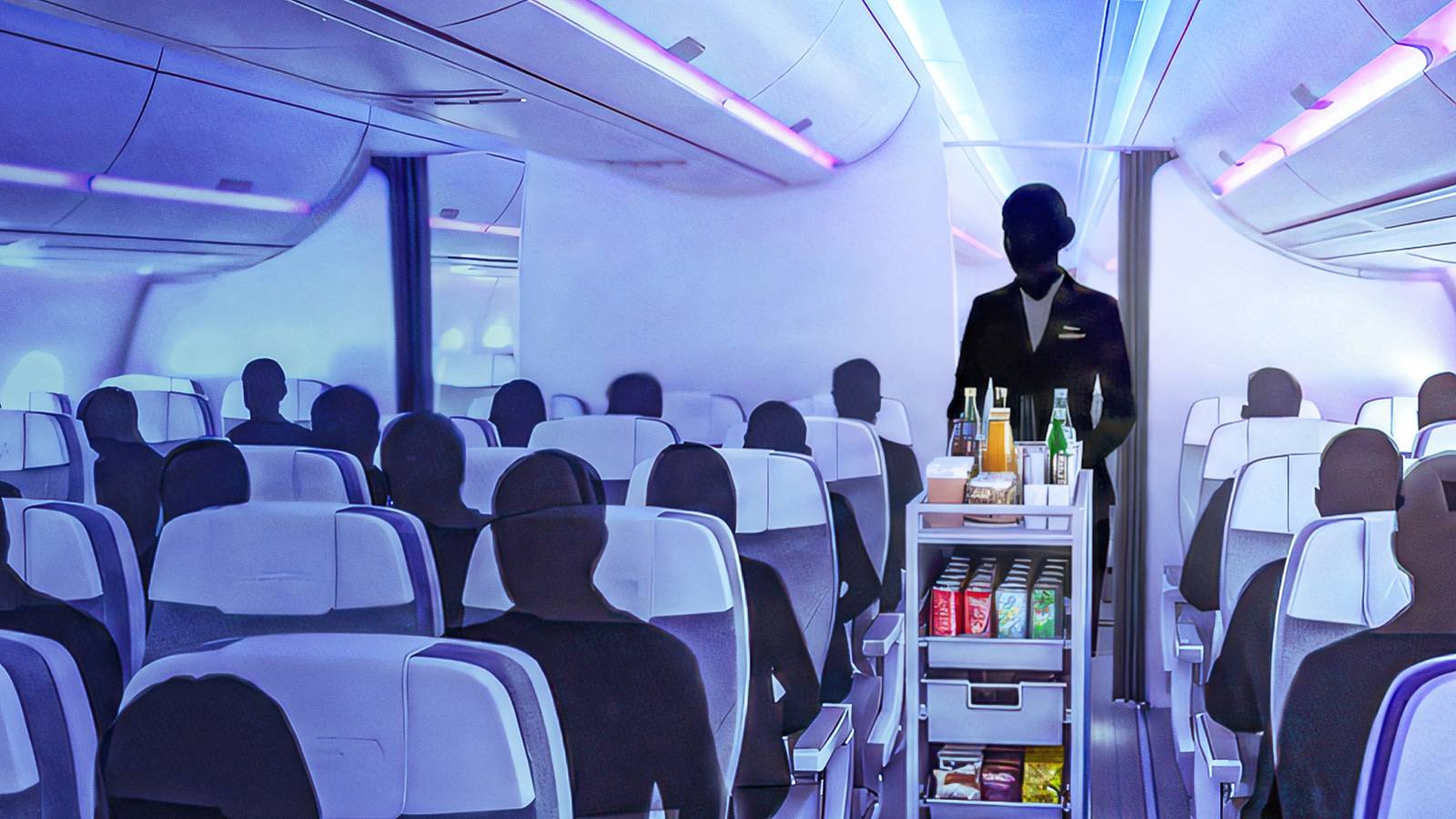
Airbus has launched a new AI-driven initiative called Smart Catering that aims to help airlines reduce the enormous volume of food waste generated on commercial flights. The system uses machine learning to analyze passenger behavior, route data, and meal preference patterns to predict how much food should be loaded for each flight — and what types of meals are most likely to be consumed.
The airline industry generates an estimated 6 million tons of cabin waste annually, with food making up a significant portion. Current catering practices typically over-provision flights by 15-20% to avoid running out of meals, resulting in tons of uneaten food being discarded after landing. The waste is both an environmental problem and a financial one — airlines spend billions on catering each year.
Related
Top Tech Deals on AmazonStay ahead of the curve with the latest technology at the best prices.
Smart Catering works by integrating with airlines' booking systems and historical consumption data. It can adjust recommendations based on route length, time of day, passenger demographics, and even seasonal trends. Early trials with partner airlines have shown a 10-15% reduction in food waste without any reported increase in meal shortages.
The initiative reflects a broader trend of AI being applied to operational inefficiencies that were previously handled with brute-force over-provisioning. If the system proves reliable at scale, it could become standard equipment for airline catering operations worldwide.
What This Means For You: If you fly regularly, you may not notice this technology directly — you'll still get your meal (or not, depending on your row). But the downstream effects are real. Airlines that save money on wasted food can redirect those savings, whether to lower fares, improve service, or boost margins. Environmentally, reducing 6 million tons of annual waste by even 10% is meaningful. And if you work in logistics, supply chain, or food service, the Airbus model — using AI to predict demand instead of over-stocking — is coming to your industry next.
Related Stories
Work Moved Into the Browser. Security Didn\'t. AI Is Exposing the Gap
User-initiated shell ran via HTTPS CAPTCHA at 2:14 p.m. Tuesday, exposing browser blind spot and bre...
Will an \'AI Bill\' Bomb Explode? KRAFTON Warns Against Indiscriminate Tech Adoption
A senior KRAFTON official has shared his perspective on the...
Will AI Adoption Actually Pay Off?
Why a BlackRock portfolio manager says productivity gains don\u2019t automatically translate into pr...