South Korea Arrests Man for a Fake AI Wolf Photo That Raised Alarms
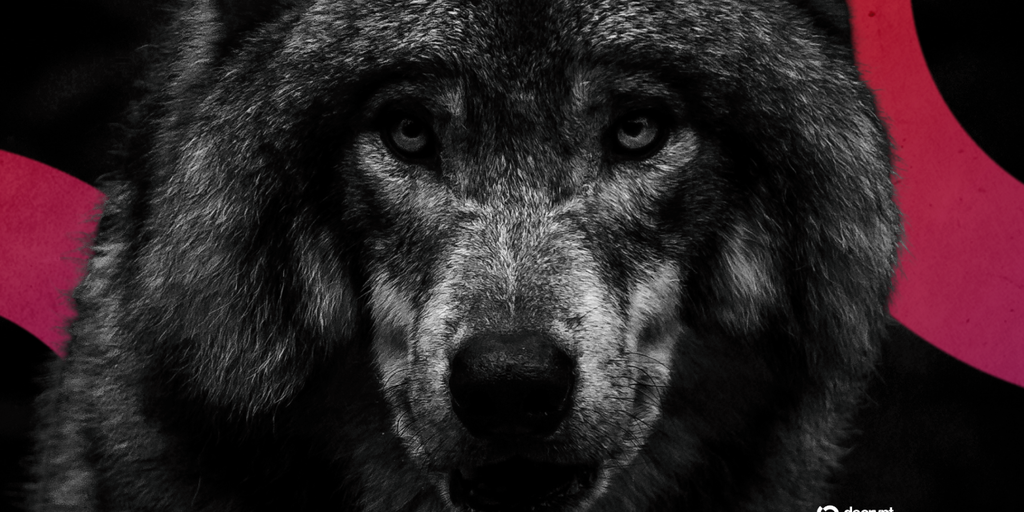
South Korean police have arrested a 40-year-old man for posting an AI-generated photo of an escaped wolf — an image convincing enough to fool city officials, trigger emergency alerts to thousands of residents, and delay the actual animal's capture by up to nine days.
The man, who told investigators he created the image "just for fun," was charged with obstructing official duties by deception. If convicted, he faces up to five years in prison or a fine of approximately $6,700.
Related
Top Tech Deals on AmazonStay ahead of the curve with the latest technology at the best prices.
The case centers on Neukgu, a two-year-old male wolf that escaped from Daejeon's O-World zoo on April 8 by digging out of its enclosure. Hours after the escape, the AI-generated photo appeared online showing what appeared to be a light-brown wolf at a road intersection near the zoo. The image was convincing enough that Daejeon city government issued an emergency text alert to residents and displayed it at an official press briefing.
The fallout was significant. The city mobilized hundreds of firefighters, police officers, and soldiers, deploying drones and thermal cameras. A nearby elementary school shut down over safety concerns. The real wolf, part of a program to restore the Korean wolf species, continued to evade capture while resources were diverted to the fake sighting area.
"A single AI-manipulated image delayed the capture of the wolf by as many as nine days," Daejeon police said. "The prolonged deployment of police and fire personnel caused significant disruption to their primary duty of protecting the public."
Police traced the man through surveillance camera analysis and AI detection software. Neukgu was finally recaptured on April 17 after a tip about a real sighting near an expressway.
The case marks the first known criminal arrest directly linked to AI-generated emergency misinformation. Similar fabricated images circulated during the 2025 Los Angeles wildfires and Hurricane Helene, but no arrests were made in connection with those incidents.
**What This Means For You:** AI-generated images are now convincing enough to redirect emergency services in real time. This isn't a future problem — it happened last week. For anyone sharing images during emergency events, verify before you amplify. For local governments, this case is a warning: your emergency communication systems need image verification protocols before the next fake photo triggers the next false alarm. The cost of a single viral lie is measured in hundreds of wasted personnel hours and delayed response to real danger.
Related Stories
Work Moved Into the Browser. Security Didn\'t. AI Is Exposing the Gap
User-initiated shell ran via HTTPS CAPTCHA at 2:14 p.m. Tuesday, exposing browser blind spot and bre...
Will an \'AI Bill\' Bomb Explode? KRAFTON Warns Against Indiscriminate Tech Adoption
A senior KRAFTON official has shared his perspective on the...
Will AI Adoption Actually Pay Off?
Why a BlackRock portfolio manager says productivity gains don\u2019t automatically translate into pr...